
Sayulita’s Wildlife is Safe: Enjoy Nature with Confidence
In Sayulita, the natural world is always close — and that’s part of its charm. Most local wildlife keeps a respectful distance, and encounters are typically brief, peaceful, and non-threatening when animals are observed responsibly.
You might spot tropical birds overhead, a gecko basking on a garden wall, dolphins offshore, or native mammals along a jungle trail. Wildlife safety begins with understanding the animals that call Sayulita home. A few simple habits — give wildlife space, stay aware, and “look, don’t touch”— help keep every encounter safe, respectful, and memorable.
If you’d like to learn more about Sayulita’s marine life, tropical birds, native mammals, and other wildlife, browse the guides below.
New to Sayulita? Visit our Plan Your Trip to Sayulita Guide.
Start here if you want curated, responsible ways to observe wildlife — especially if you’re traveling with family, prefer guided experiences, or simply want the most ethical options:
- What Ocean and Jungle Wildlife Can I See in Sayulita
- Experience Whale Watching
- Watch Dolphins
- How to View Sea Turtles
- Sayulita is an Awesome Bird-Watching Destination
Next, we’ll cover what you might encounter — from mammals and reptiles to insects and ocean life — plus practical notes on what’s common, what’s rare, and how to observe safely.

📑 Explore This Guide at Your Own Pace
🐾 Mammals
🐞 Insects
🐍 Basic Steps in Case of a Snakebite
❓ Quick FAQ — Sayulita Wildlife Safety
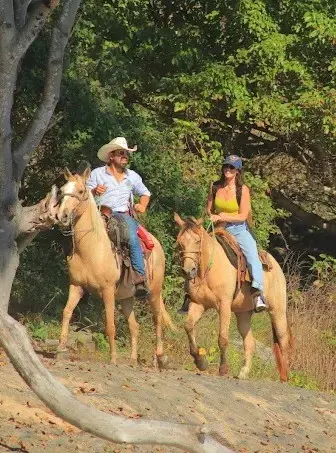
🐾 Mammals
Most of Sayulita’s native mammals are shy and naturally avoid people. If you’re lucky enough to spot one, it’s usually a brief glimpse before it disappears into the jungle.
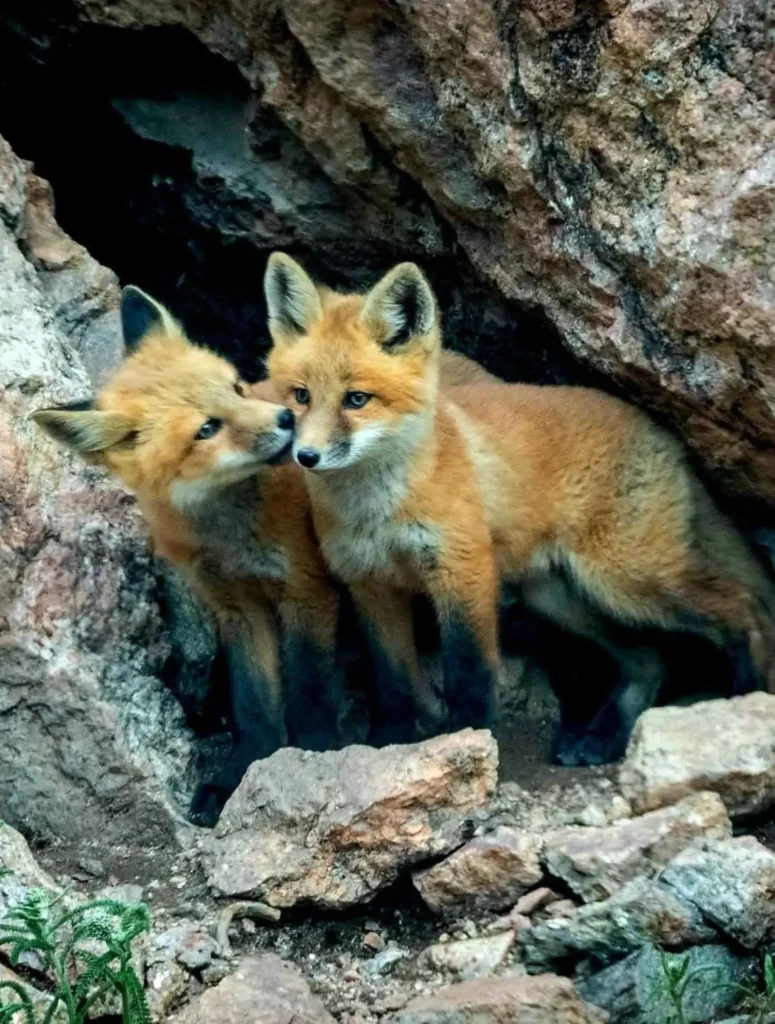
Along quieter trails, you may see — or simply notice tracks from — armadillos, coatimundis, squirrels, raccoons, opossums, skunks, foxes, and deer.
Best practice: Keep a respectful distance, never feed wildlife, and enjoy the moment without disturbing the animal. That’s the best way to ensure every encounter remains safe and memorable.
🦎 Cold-Blooded Animals
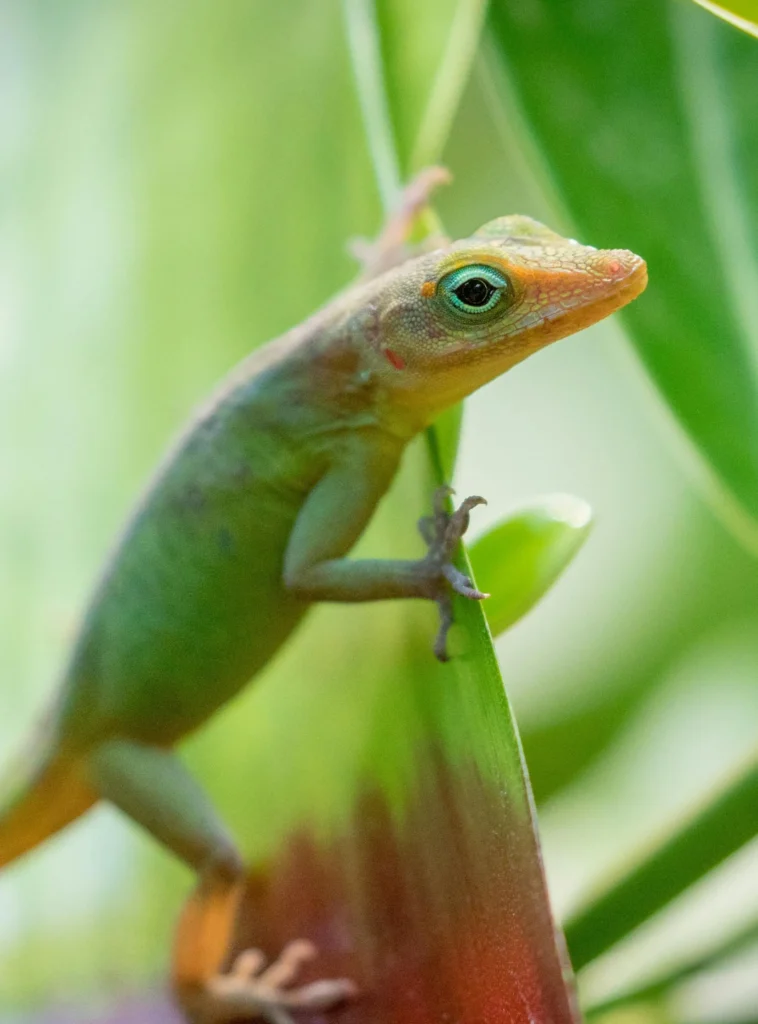
In a coastal jungle setting, it’s common to see geckos, iguanas, land crabs, and other lizards. The main thing to know: they avoid confrontation and will almost always retreat when given room.
Land crabs are harmless (and not edible). Their seasonal migration toward the shoreline can be one of those “you had to be there” moments if you’re lucky enough to see it.
Geckos may be best known to some as Martin—the friendly animated mascot from the GEICO commercials with a charming Cockney accent. Fortunately, the geckos in Mexico ↗️ share that same friendly reputation.
They’re harmless: no biting, stinging, or venom. They’re also helpful — naturally reducing pests like flies, mosquitoes, and cockroaches. So, if you see one near a wall or light, it’s simply doing its job.
🐞 Insects
Insects are essential to healthy ecosystems. And in a place where jungle meets ocean, you’ll naturally see more variety than you might at home. The World Wildlife Fund puts it perfectly ↗️
“Insects get the job done — they maintain healthy soil, recycle nutrients, pollinate flowers and crops, and control pests.”
You might notice larger moths, beautifully marked beetles, and the occasional tick — especially in greener, shaded areas. In most cases, they’re simply part of the ecosystem and not aggressive.
Spiders can look dramatic, but bites are uncommon and usually happen only if one is trapped or threatened. Even tarantulas, despite their size, are typically not dangerous.
If you want to identify what you’re seeing, Insect Identification ↗️ is an excellent reference:
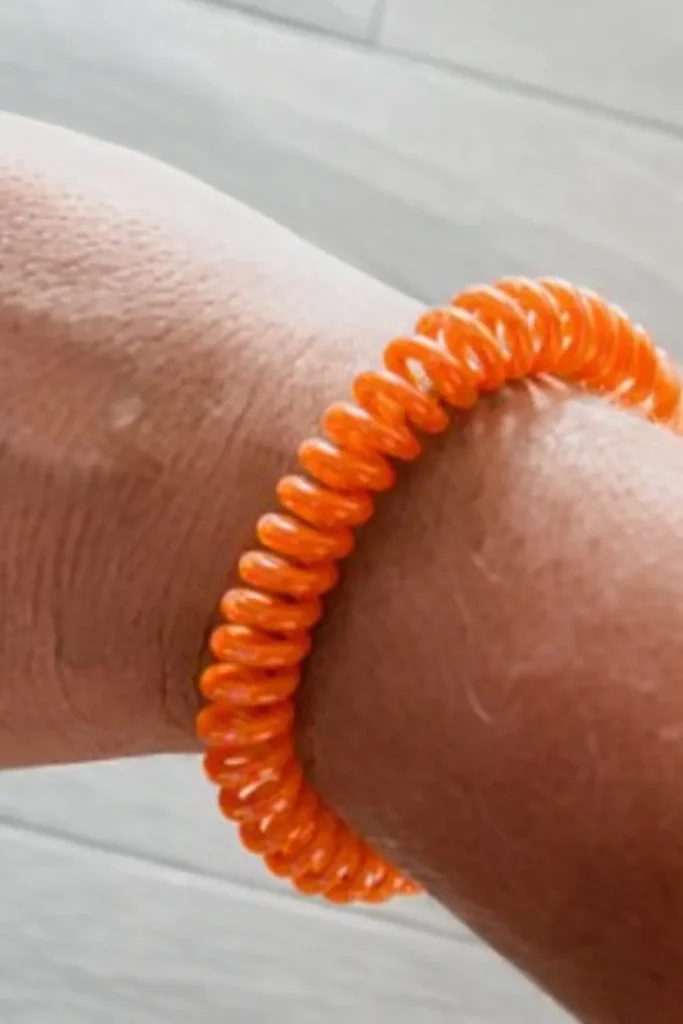
Mosquito Note: During the rainy season, long sleeves at dusk and a good repellent help a lot.
Amari’s Tip: If a light draws bugs at night, don’t sit directly beside it. Place a brighter light slightly away from your seating area to attract insects elsewhere.
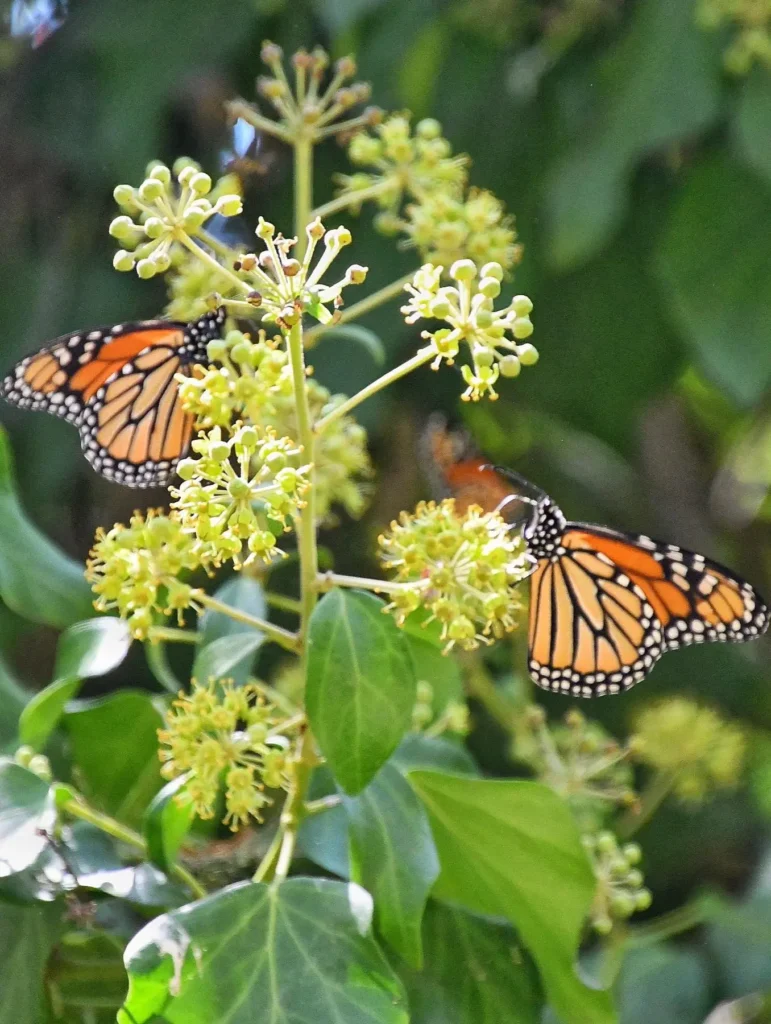
Butterflies are incredible, and the Monarch is one of the most spectacular.
To locals, they symbolize transformation, renewal, and the eternal link between worlds. They’re often seen as spiritual messengers carrying the souls of loved ones ↗️ who return during Día de los Muertos.
(Be sure to explore our Day of the Dead Blog for more on their cultural significance.)
For even more species browsing, explore Butterflies of the State of Nayarit, Mexico ↗️.
🐍🦇 Snakes and Bats
In jungle terrain, snakes are part of the environment — but here, they’re typically avoidant and want nothing to do with people. Even venomous species are rarely seen, and bites are extremely uncommon.
Best practice: Stay on the trail, watch your footing, and never reach under logs or rocks unless you can see clearly.
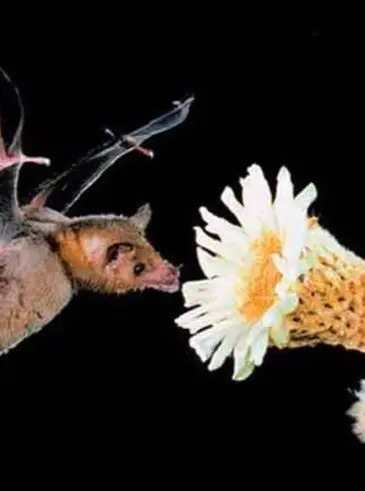
Bats are beneficial and typically harmless. They help keep insect populations in check and support healthy ecosystems.
Mexico is considered rabies-free ↗️, which adds an extra layer of reassurance.
Important: Don’t touch bats, especially if one appears injured or unwell.
🐠 Water Animals
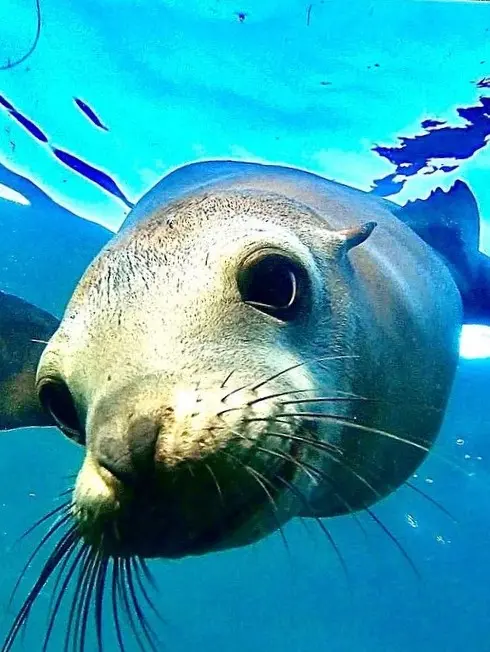
Sea lions are an occasional treat in local waters. They’re playful, fast, and fascinating to watch from a respectful distance — just remember they’re wild animals, so observing, (not approaching) is always the right approach ↗️.
For more reliable ocean wildlife sightings, your best bet is a responsible tour during calm morning conditions — especially for families and first-time visitors.
See our Whale Watching Guide, how to See Dolphins Blog, or our Marietas Islands Guide for tour information.
Jellyfish are part of ocean ecosystems worldwide, and they can appear in Nayarit too — especially in late summer and fall (August to October). If you’re stung, follow these calm, practical steps:
In Case of a Jellyfish Sting ↗️
- Carefully remove any visible tentacles with tweezers, then rinse the area with vinegar.
- Don’t rub the sting or rinse with fresh water. Avoid alcohol or urine (common myths).
- Soak in hot water (110°F to 115°F / 43°C to 46°C) until the pain eases (about 30 minutes).
- Use standard pain relief if needed. Consider hydrocortisone for itching or swelling, as recommended.

Stingrays are common in warm coastal areas and are usually gentle. Most incidents happen when someone accidentally steps too close in shallow water.
The stingray ↗️ you’re most likely to encounter in the shallows is the Pacific Cownose Ray, which usually swims in groups or along sandy bottoms.
Easy prevention tip: In shallow, sandy areas, shuffle your feet instead of taking big steps. It signals your approach so rays can move away.
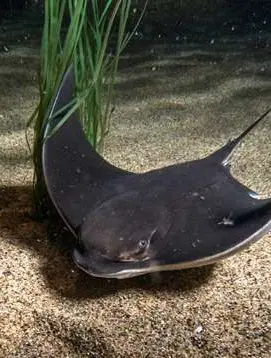
If You’re Stung on the Foot or Leg:
- Stay in the ocean if possible, and carefully remove the barb. Saltwater can help rinse the area, and gentle pressure may encourage any venom to release.
- Watch for signs of an allergic reaction (rare). If you experience difficulty breathing, swelling, or dizziness, seek emergency medical care immediately.
- Use hot water for pain relief. Hot water helps neutralize stingray venom—soak the affected area in hot water (110°F to 115°F / 43°C to 46°C) until the pain eases, usually 30 to 90 minutes.
Yellow-Bellied Sea Snakes are water-only, and bites are rare. Still: don’t handle wildlife, don’t get close, and follow the safety steps below if an incident occurs.

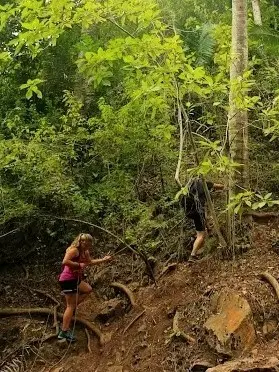
🥾 Tips for Safe Hiking
These simple habits help keep wildlife encounters peaceful — and your hike comfortable:
- Wear sturdy footwear and appropriate clothing.
- Stay on marked trails to protect yourself and the environment.
- Keep a safe distance from wildlife — never touch or feed animals.
- Avoid disturbing nests, dens, or animal habitats.
- Use insect repellent to prevent bites.
- Watch for snakes under logs or rocks — don’t step over or reach underneath.
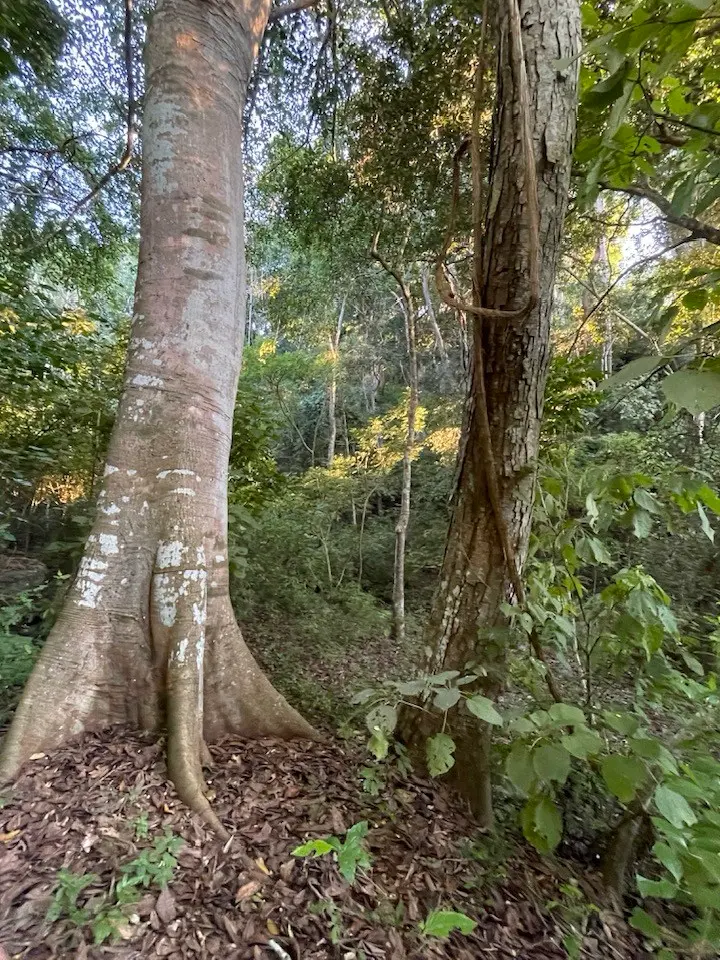
🩹🐍 Basic Steps in Case of a Snake-bite
What To Do
- Move away from the snake. Sit or lie down. Keep the bite area in a neutral position; remove jewelry or tight clothing.
- Gently wash the site with soap and water. Cover it loosely and immobilize the limb.
- Get to the nearest hospital immediately.
What not to do
- Don’t cut the wound or try to suck out venom.
- Avoid caffeine and alcohol. Also skip aspirin, ibuprofen, and naproxen.
- Don’t chase or try to kill it — note its appearance, or safely take a photo.

❓Quick FAQ — Sayulita Wildlife Safety
Is Sayulita wildlife safe?
Yes — most animals naturally keep their distance, and sightings are typically calm and non-threatening when you observe respectfully.
Where might I see wildlife in Sayulita?
Expect your best chances on jungle trails, near vegetation on quieter streets, and out on the water — especially during calmer morning conditions.
What time of day is best for wildlife spotting?
Early morning and late afternoon are often best (cooler temperatures, softer light, and more activity).
What should I do if I see a snake or wild animal on a trail?
Stop, give it space, and let it move away. Don’t touch or try to move it—most animals retreat when they don’t feel threatened.
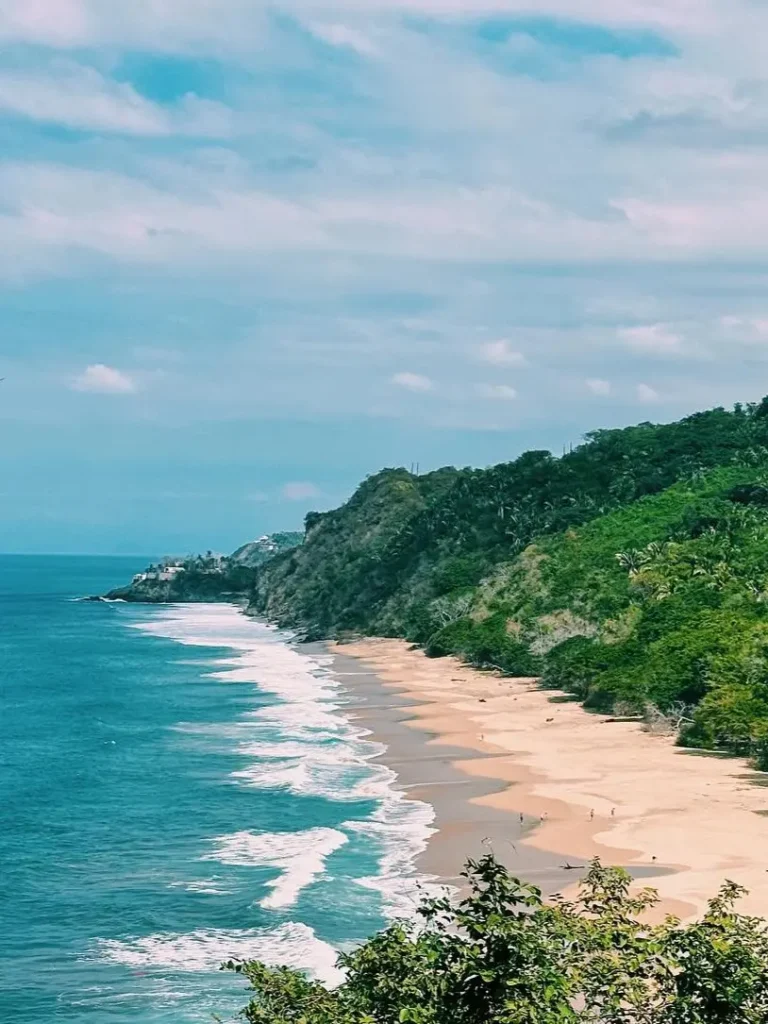
🍽️ Discover More Local Favorites
Visit our interactive Sayulita Travel FAQ — a searchable hub with 140+ local questions and answers to help you plan with confidence, including practical tips for outdoor days.
Explore our Travel Blog for 30+ Curated Articles with insider guidance on local culture, cuisine, and mindful coastal living such as:
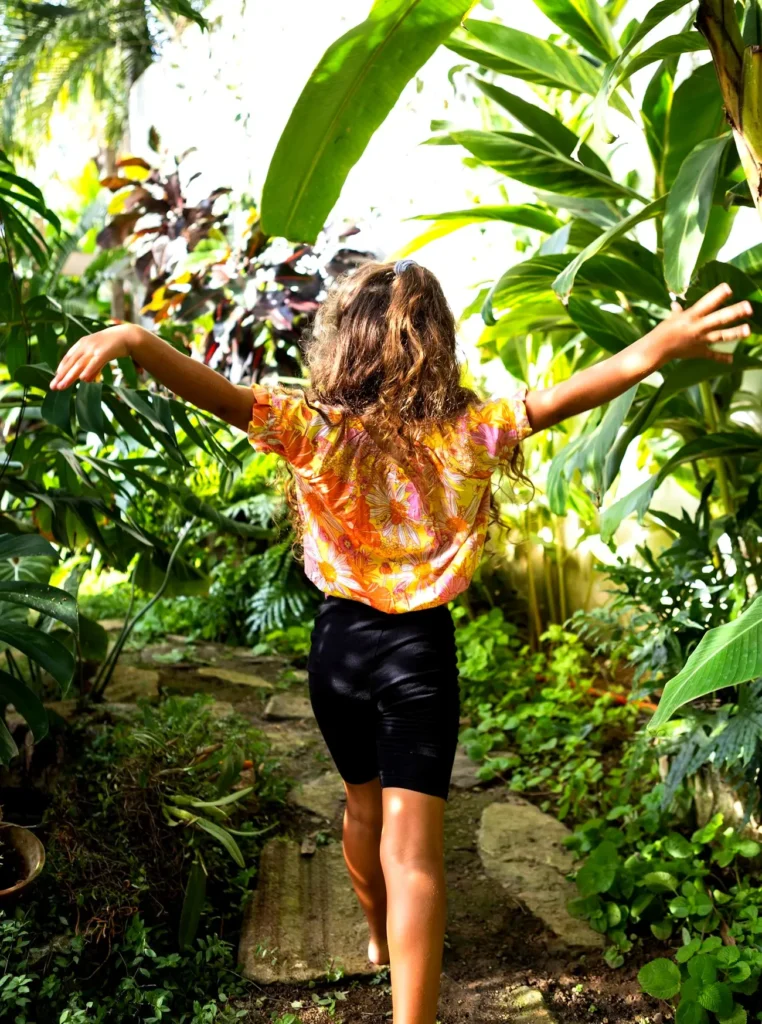
🛏️ Searching for a Well-Loved Getaway in Sayulita? Try Amari Boutique Hotel
Tucked along Sayulita’s quieter North Side, Amari Boutique Hotel overlooks calm Pacific horizons that invite slow, effortless living. On peaceful mornings, you may even notice movement offshore—nature runs on its own schedule, and that’s part of the charm.
🌿 Wellness & Calm
Whether you’re exploring trails or spending time by the water, Amari supports nature-led restoration through our tranquil wellness collection — the kind of reset that makes every outdoor day feel easier and more grounded.

🌸 Coastal Design & Conscious Comfort
Each suite reflects mindful craftsmanship and sustainable design . After sun and salt air, return to elevated amenities—including our saltwater pool, sauna, and cold plunge—for a peaceful recharge. Explore more in our curated amenities.
🧭 Travel with Confidence
Peace of mind is part of the experience. Our Trusted Guides help you navigate the area confidently before and during your stay.
➡ Experience the rhythm of the Pacific at your own pace—where mornings invite gentle adventure, afternoons restore, and evenings settle into ocean-view serenity. Book your adventure
For a full overview of beaches, culture, food, weather, and logistics, explore our Plan Your Trip to Sayulita Guide.