Marietas Islands National Park — 2026 Guide
How to Visit, What to Expect & Why These Islands Feel So Protected (In the Best Way)
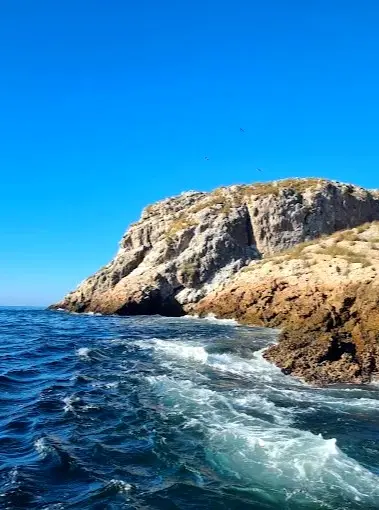
The Marietas Islands are one of the Riviera Nayarit’s greatest natural treasures — uninhabited volcanic islands just offshore of Punta de Mita, where protected Pacific waters shelter colorful reefs, tropical fish, sea turtles, dolphins, humpback whales, and remarkable seabird colonies. Even the boat ride feels like a reset, with salty air, sweeping ocean views, and the first glimpse of rugged cliffs rising dramatically from the sea.
What makes the islands truly special is that they’re protected by design. Officially designated as Parque Nacional Islas Marietas and managed by Mexico’s national protected areas authority, access is carefully regulated, visitor numbers are limited, and sensitive areas are seasonally restricted to preserve this extraordinary marine ecosystem.
New to Sayulita? Visit our Plan Your Trip to Sayulita Guide.
🧭 Explore This Index at Your Own Pace
🗺️ The Marietas Islands Overview
🌋 Volcanic Origins & Why the Islands Look So Wild
🏖️ Hidden Beach (Playa del Amor): Rules & Reality
🐠 Ocean Life You Can See While Snorkeling
🌿 Why the Marietas Are So Protected
🧳 What to Bring (So the Day Feels Easy)
🚤 Best Marietas Islands Tours (With Contacts)

What’s New for 2026
Park protections and daily limits remain strict — prime dates can fill early
Hidden Beach access is still quota- and conditions-based (flexibility = happier trip)
Some areas may close on specific days for monitoring and park management
🏝️ What Are the Islands?
The islands are a protected island group in Nayarit, officially designated as Parque Nacional Islas Marietas ↗️. This matters because it means your experience is shaped by conservation — not crowds.
🗺️ Where Are They Located?
They sit off the Punta de Mita region, near the northern edge of Bahía de Banderas in Nayarit.
From Sayulita, they’re close enough for a half-day adventure — but far enough offshore that the water often looks impossibly blue, especially in the morning light.
🧭 Local-feeling tip: If you can choose your departure time, mornings usually mean calmer seas and clearer visibility.
🌋 Volcanic Origins & Why the Islands Look So Wild
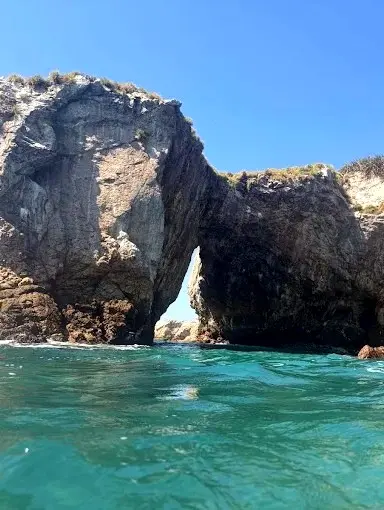
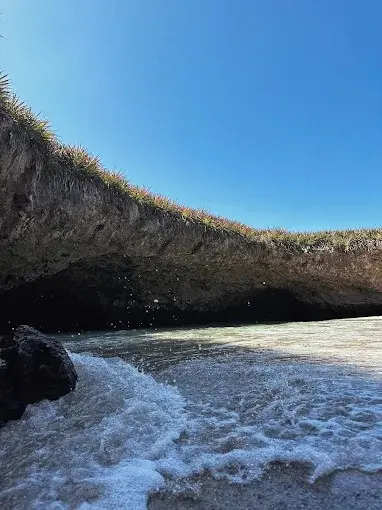
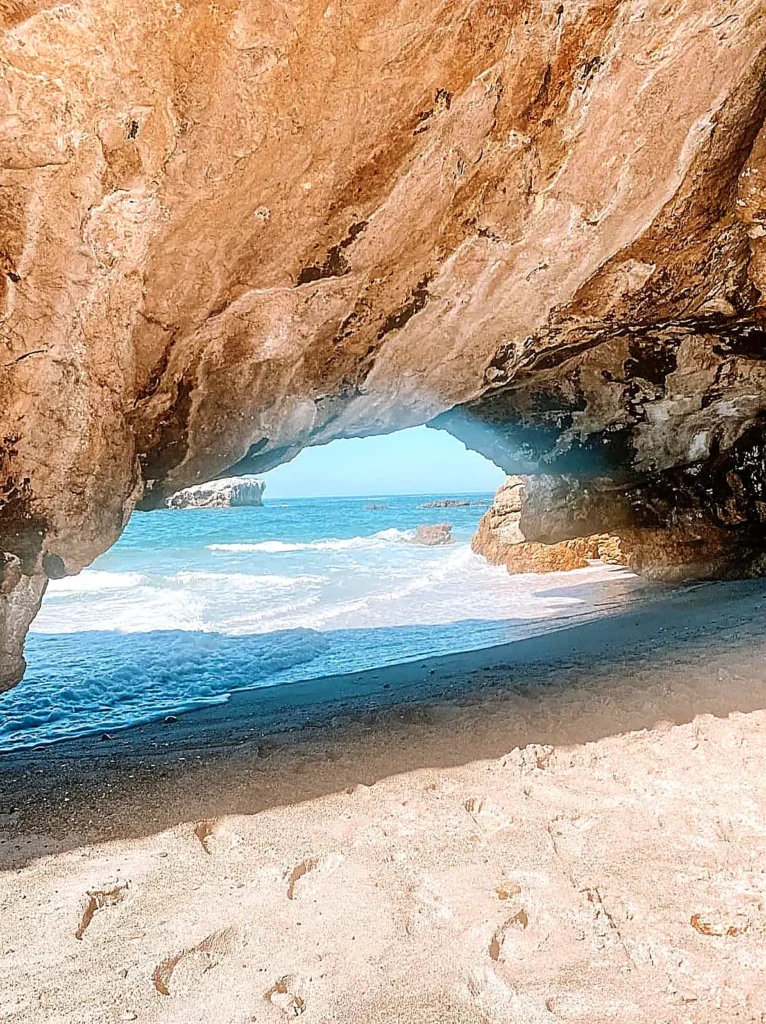
These islands were formed by volcanic activity and shaped over time by wind and water — creating cliffs, arches, sea caves, and dramatic rock walls.
That’s why the islands look so cinematic from the water: rugged stone rising sharply out of bright ocean, seabirds circling overhead, and hidden coves tucked into the shoreline.
🌊 What You Can Do in the Park
Park experiences are intentionally low-impact and ocean-focused — your day might include:
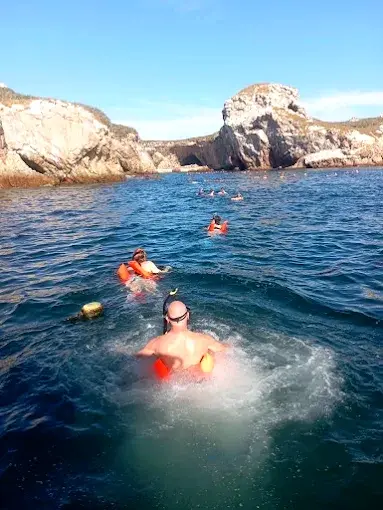
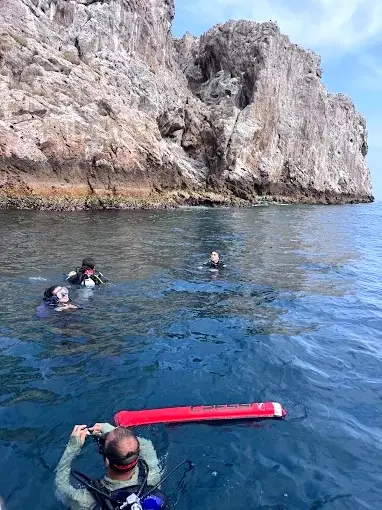
- Snorkeling in designated zones (reef fish, clear water, easy drift)
- Boat touring past arches and sea caves
- Wildlife watching (dolphins, rays, turtles — and whales in season)
- Photography (wide-angle paradise)
🏖️ Hidden Beach (Playa del Amor): Rules & Reality
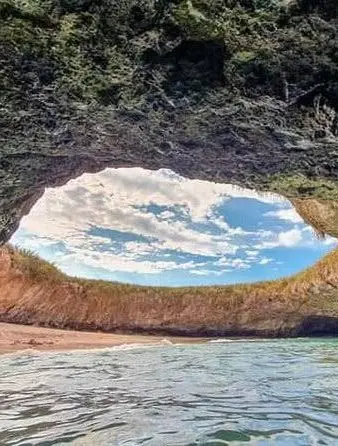
Playa del Amor is the famous sand pocket tucked inside a crater-like opening. This secluded cove was unintentionally formed by military bombing exercises in the early 20th century.
Two truths that make planning easier:
- Access is regulated and can be closed on certain days ↗️ for monitoring and park management.
- Even when it’s open, access depends on conditions. Ocean safety always wins.
If Hidden Beach is your top priority, confirm whether your operator includes it, what the entry requirements are.
🐦 Tropicbirds & Seabird Magic
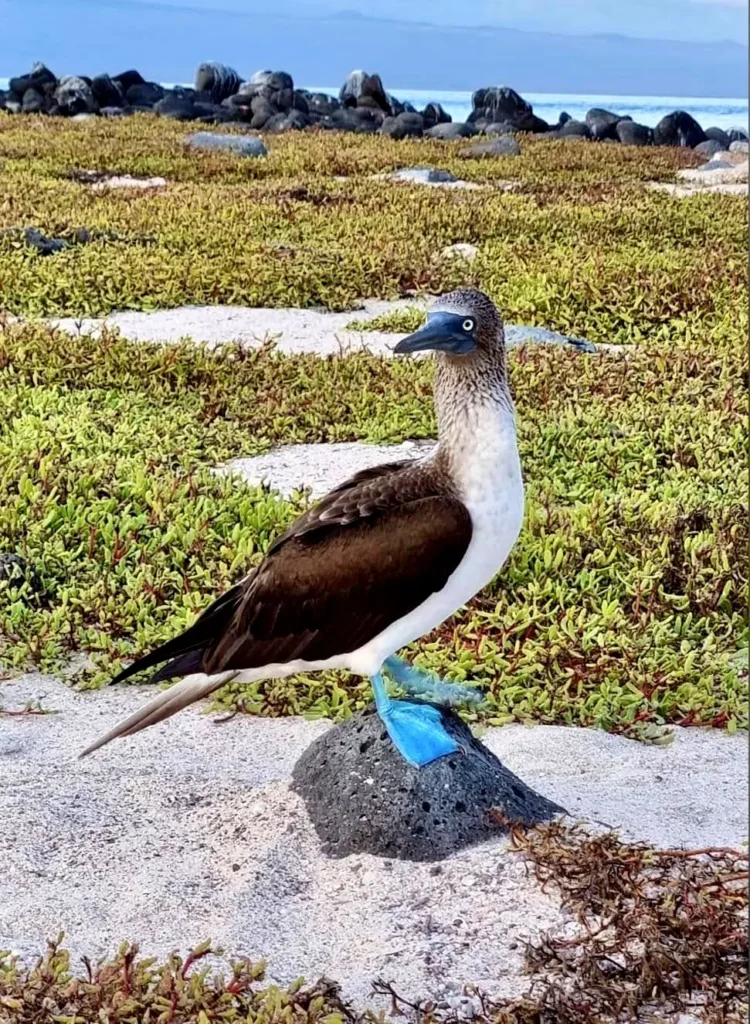
Blue-Footed Booby (Sula nebouxii)
Keep your eyes on the cliffs and surf — these islands are known for seabirds, including the striking Blue-footed Booby (Sula nebouxii), a fish-hunting diver famous for its vivid feet and unique courtship dance.
When you can see them
👉 Year-round — sightings are possible any time.
Explore our Sayulita Birdwatching Guide for broader species sightings and seasonal patterns across the region.
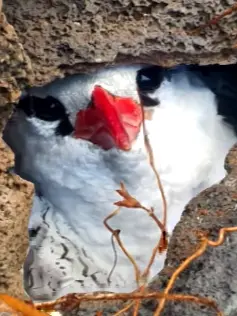
🐦 Red-Billed Tropicbird (Phaethon aethereus)
Another standout seabird is the elegant Red-billed Tropicbird (Phaethon aethereus) ↗️, famous for its white body, red bill, and long tail streamers.
Best Months to See Them
January–May is usually best—more adults are visible then due to breeding and chick-rearing.
Best overall window for bird sightings
🌤️ December through May ↗️— dry season, calmer seas, and clear visibility.
Ocean Life You Can See While Snorkeling
Look for King Angelfish, Moorish Idols, Giant Damselfish, Surgeonfish, Butterflyfish, Parrotfish, and Puffers around the reefs and rocky ledges.
On calmer days, you might spot sea turtles cruising through the shallows — and if you keep an eye on the deeper blue beyond the reef, there’s always the chance of something unforgettable gliding past, like a manta ray.
Because the park is protected, the snorkeling experience often feels calmer and more respectful: less rushing, more observing, and more room to actually take in the underwater world.
Manta Rays in Protected Waters
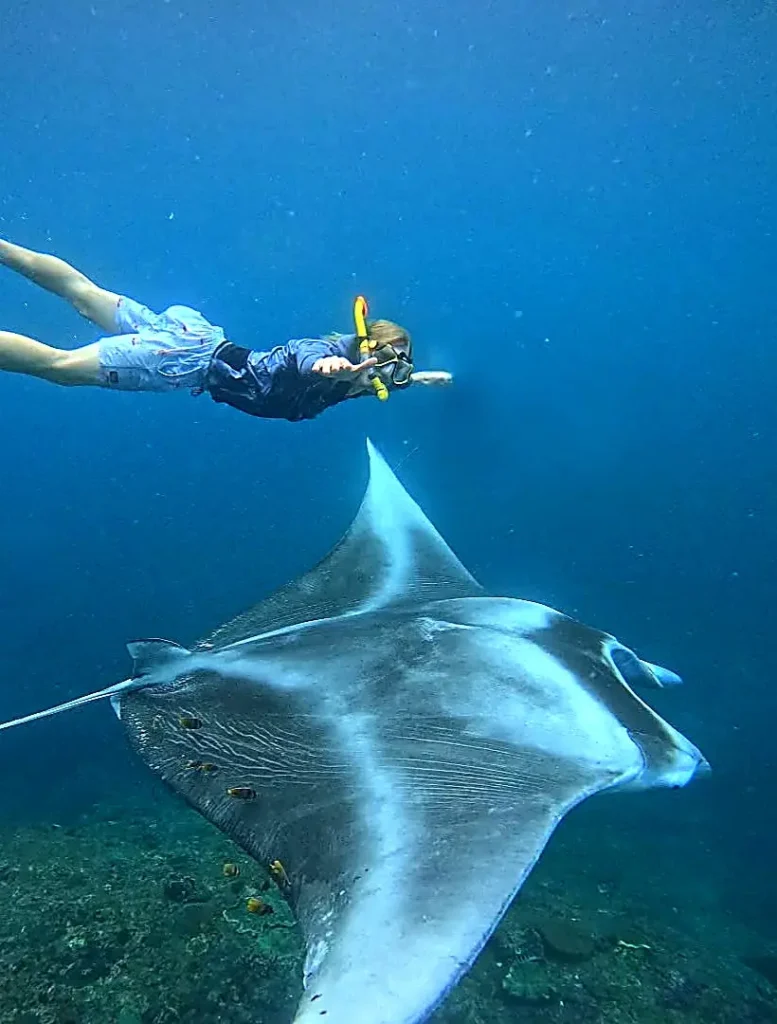
Manta rays are among the most awe-inspiring marine visitors in these protected waters. With wingspans of several meters, these gentle giants glide through open water with effortless calm, feeding on plankton near the surface.
When You Might See Them
- Seasonal visitors, most often seen in warmer months when plankton is abundant
- Typically spotted near the surface or cruising offshore rather than over reefs
Why they matter
Mantas are indicator species—seeing them can signal healthy ocean conditions and productive marine ecosystems. Spotting one near the islands is a standout moment for visitors and guides alike.
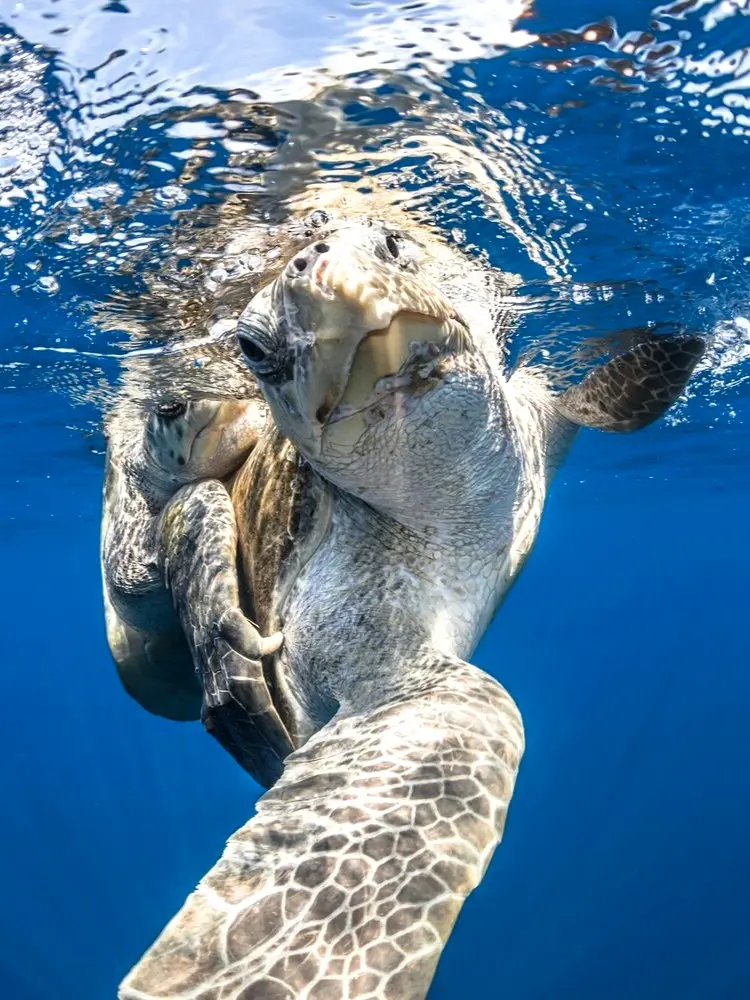
Sea Turtles in the Park
Sea turtles are steady residents of the marine park, making them one of the most loved sightings for snorkelers and divers.
Common species include Green Sea Turtles, Hawksbills, and Olive Ridleys.
These protected waters serve as feeding and resting grounds, and turtles often appear calmly near rocky reefs alongside snorkelers.
What makes encounters special
- Usually seen gliding slowly, surfacing for air, or grazing near reef structures
- Peaceful, close-feeling moments—especially in clear, calm water
- In protected waters, turtles often show less stress behavior than in heavily trafficked areas
🌿 Why the Marietas Are So Protected
These islands sit in a region where ocean currents converge, creating nutrient-rich waters that support marine biodiversity ↗️. UNESCO’s Man and the Biosphere Programme notes the ecological significance of the area and its oceanographic context.
For the most official, park-specific statement of biodiversity value, the CONANP management program describes the park as important for seabird reproduction and highlights reef fish diversity in Bahía de Banderas.
🧳 What to Bring (So the Day Feels Easy)
A few items make a major difference:
• Rash guard or light long-sleeve (your best sun strategy)
• Hat + sunglasses (polarized if you have them)
• Reusable water bottle
• Dry bag for phone/keys
• Towel + change of clothes
• Motion-sickness help if you’re sensitive to open water
🧭 Soft tip: The best tours feel effortless when you’re not worrying about wet phones or sunburn.
🛥️ How to Visit Responsibly
Responsible visiting is simple — and it makes the day better:
• Choose park-compliant operators who explain rules clearly
• Respect distance from wildlife and nesting areas
• Avoid touching reefs or standing on coral
• Follow instructions for permitted snorkeling zones
The park’s management rules are summarized in conservation partner materials ↗️
🚤 Best Marietas Islands Tours (With Contacts)
| Tour Company | Contact Information | Customer Reviews |
|---|---|---|
Ally Cat Sailing Adventures | ✉️ allycatsailing@gmail.com | "We did the Ally Cat Tours Marietas Islands trip, and it was hands-down the highlight of our vacation." |
Chica Locca Tours |
📞 +52 322 180 0597 ✉️ info@chicaloccatours.com | "We did the all-inclusive tour and it was amazing!" |
Sayulita Entourage |
📞 +52 322 191 1066 | "We did the Islands snorkeling and Hidden Beach tour. We saw so many beautiful fish, birds, and whales." |
Wild Mex |
📍 150-G C. Pelícanos 📞 +1 877 904 3974 ✉️ info@wildmex.com | "An amazing adventure with beautiful views and wildlife to see." |
🐚 FAQs: First-Timer Questions
Is the Marietas trip worth it if we don’t do Hidden Beach?
Yes. Many visitors end up loving the snorkeling zones, scenery, and wildlife watching more than the “bucket list” photo.
Can kids go?
Often, yes — especially on calm mornings. Choose an operator that provides clear safety guidance and flotation gear.
Do I need to be a strong swimmer?
Not for basic snorkeling (life vests are common). For any swim-through access areas, conditions and guide rules matter.
When should I book?
During peak winter weeks and holiday periods, it’s best to book well in advance — especially if you have a preferred departure day or tour time. For seasonal travel insights, see our Best Time to Visit Sayulita Guide.
🔎 Explore More Sayulita Travel FAQs
Still curious about Sayulita? Explore our Travel Blog — your all-in-one guide to the best adventures, culture, cuisine, and mindful escapes across this vibrant coastal town including blogs on:
Then visit our interactive Sayulita Travel FAQ — a smart, searchable guide with 140+ local questions and answers. Just type a word into the search bar to instantly reveal the top travel tips, insider insights, and recommendations.

🏨 Where to Stay for Easy Departures
Staying at Amari Boutique Hotel on Sayulita’s peaceful North Side makes visiting the Marietas Islands easy. Our team is happy to help arrange your excursion, recommend trusted operators, and adapt plans when ocean conditions change.
- Ocean-view suites for easy mornings
- Thoughtful amenities for unforgettable island days
- Recharge in our wellness retreat after your adventure
- Plan with confidence using Amari’s local travel guides
🌺 Ready to turn your Marietas day into a seamless stay? Explore our boutique accommodations and reach out if you’d like help choosing the best tour and departure for your dates.
For a full overview of beaches, culture, food, weather, and logistics, view our Plan Your Trip to Sayulita Guide.