
Ocean and Jungle Wildlife of Sayulita – What Animals Can You See?
What Amazing Animals Will You See in Nayarit?
Nestled between the Pacific Ocean and lush tropical jungle, Sayulita offers an extraordinary opportunity to observe wildlife thriving in its natural habitat. From majestic marine mammals offshore to elusive jungle species hidden among the trees, this region of Nayarit is a living classroom of biodiversity
This guide explores 16 native animal species, blending natural history, cultural context, fun facts, ethical tour options, and local insight to help you experience Sayulita’s wildlife responsibly and memorably.
New to Sayulita? Visit our Plan Your Trip to Sayulita Guide.
📑 Explore This Index at Your Own Pace
🌊 Ocean Animals: 🐢 Sea Turtles · 🐋 Humpback Whales ·
🐬 Dolphins · 🦈 Whale Sharks · 🪽 Giant Manta Rays
🌴 Animals of the Jungle: 🦌 White-Tailed Deer · 🐒 Spider Monkeys · 🗣️ Howler Monkeys · 🦝 White-Nosed Coati ·
🦎 Green Iguanas · 🐆 Jaguars · 🐾 Tlacuache (Opossum) ·
🦔 Armadillos · 🐗 Javelina · 🐍 Boa Constrictors ·
🐊 Crocodiles
🧭 Explore & Learn More: 🥾 Jungle Hiking Advice · 🗺️ Sayulita Hiking Tours · 🛡️ Wildlife Safety FAQs · 🏨 Where to Stay ·
⭐ Guest Reviews
🔍 More Wildlife: 🦜 Bird Life in Sayulita · 🐟 Fish Around Sayulita · 🔒 Wildlife of Sayulita Is Safe

🌊 Ocean Animals
Sayulita’s coastline opens onto warm Pacific waters that support a rich diversity of marine life. From seasonal migrations to year-round residents, the ocean just offshore offers frequent opportunities for memorable wildlife encounters.
🐢 Sea Turtles
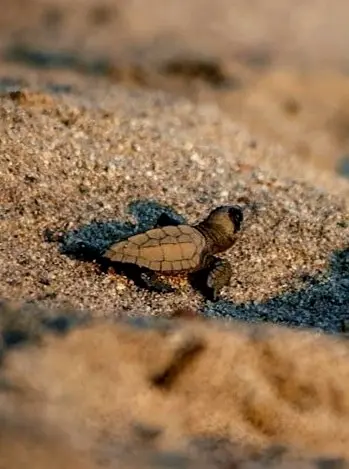
Witness one of nature’s most remarkable events: the arribada (“arrival”) ↗️, when hundreds — and sometimes thousands — of Olive Ridley sea turtles come ashore simultaneously to nest along protected stretches of the Nayarit coastline.
This rare natural phenomenon is one of the most important reproductive events for the species and a powerful reminder of the delicate balance between marine life and coastal ecosystems.
Explore our Sea Turtle Guide to learn more about conservation efforts in the region, including responsible hatchling releases that help protect future generations.
Humpback Whales
From December through March, humpback whales migrate from colder northern waters to the warm coastline of Nayarit, where they mate and give birth. During this season, visitors may witness dramatic breaches, tail slaps, and surface play just offshore.
These gentle giants choose the calm waters of the Pacific Riviera for nursery grounds, making Sayulita one of Mexico’s most rewarding places to observe them in the wild. For additional insight into responsible viewing and peak seasons, visit our Whale Watching Blog .

Dolphins
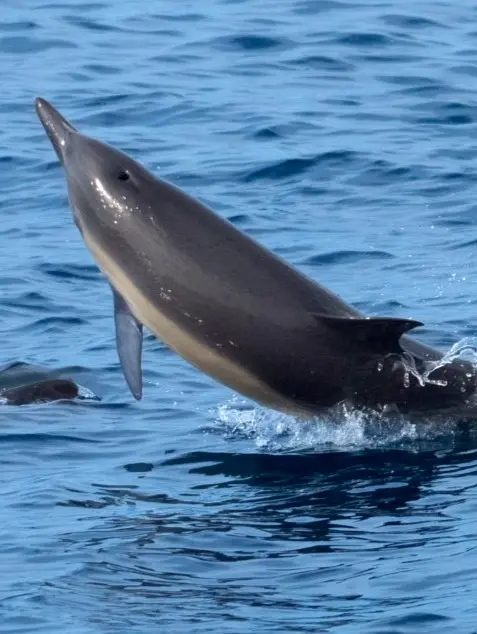
Known for their intelligence and playful personalities, dolphins are frequently spotted near Sayulita leaping, spinning, and swimming in synchronized groups.
Encounters often happen during boat outings, where their curiosity brings them surprisingly close.
Seeing dolphins in the wild is always memorable — often becoming a favorite travel story long after the trip ends.
Our Article on Dolphins shares fascinating facts about local species and behavior.
Whale Sharks
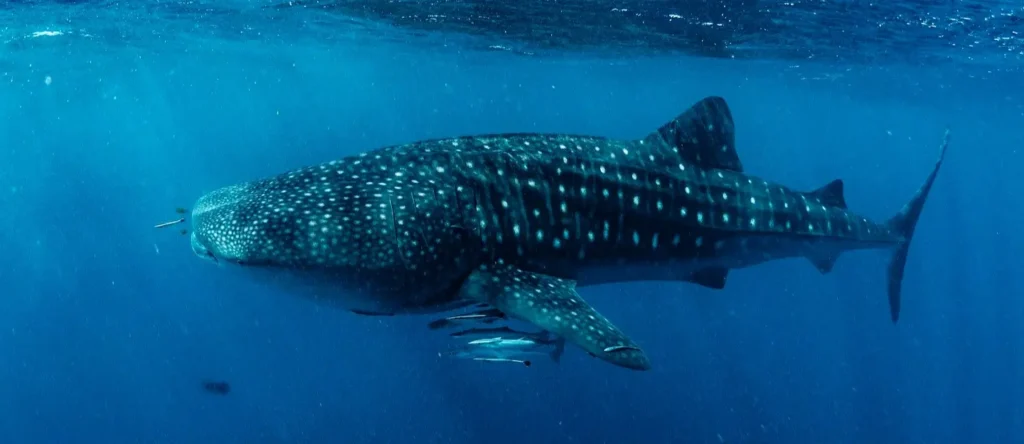
The largest fish on the planet, whale sharks can grow up to 40 feet or more, yet they are as gentle as they are enormous. Despite the word shark, they pose no threat to humans. These peaceful giants are filter feeders, consuming plankton and small fish.
Their diet consists mainly of plankton, tiny crustaceans, and small fish, which they consume using gill rakers that function like suction filters. Their teeth are tiny and virtually unused for eating.
Whale sharks migrate to the Riviera Nayarit region from May through September, offering a once-in-a-lifetime opportunity to witness — and sometimes even snorkel alongside — these majestic marine animals in their natural habitat.
If you are interested in swimming with the Whale Sharks, see Pipilas Tours (📍 Malecon Heroes 21 de Abril No.1. San Blas | 📞 Phone: +52 323 117 9763 | ✉️ contacto@pipilastours.com).
Giant Manta Rays
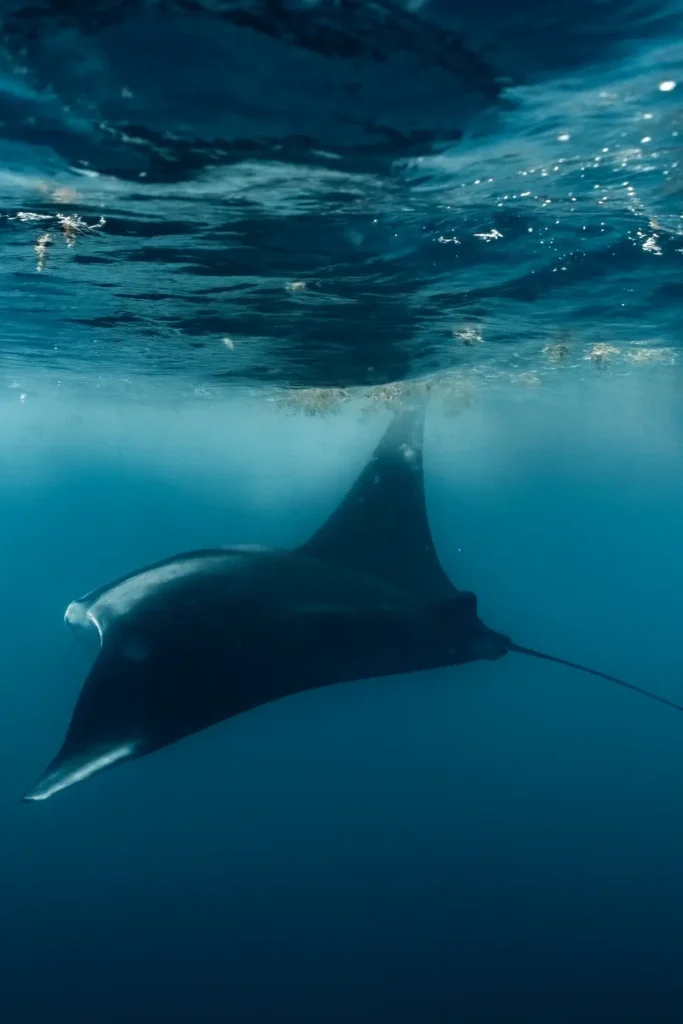
The largest ray species in the world, giant manta rays boast an impressive wingspan of up to 26 feet↗️.
Like whale sharks, they are gentle filter feeders, consuming large amounts of zooplankton as they glide gracefully through open ocean waters.
These large-bodied rays are a major attraction for scuba divers — especially around the stunning Marietas Islands , where they often share the water with sea turtles, pufferfish, butterflyfish, angelfish, and many other vibrant marine species.
🌴 Animals of the Jungle
Sayulita’s inland trails and forested hills are home to a wide range of native mammals and reptiles adapted to jungle terrain, dense cover, and seasonal change.
White-tailed Deer
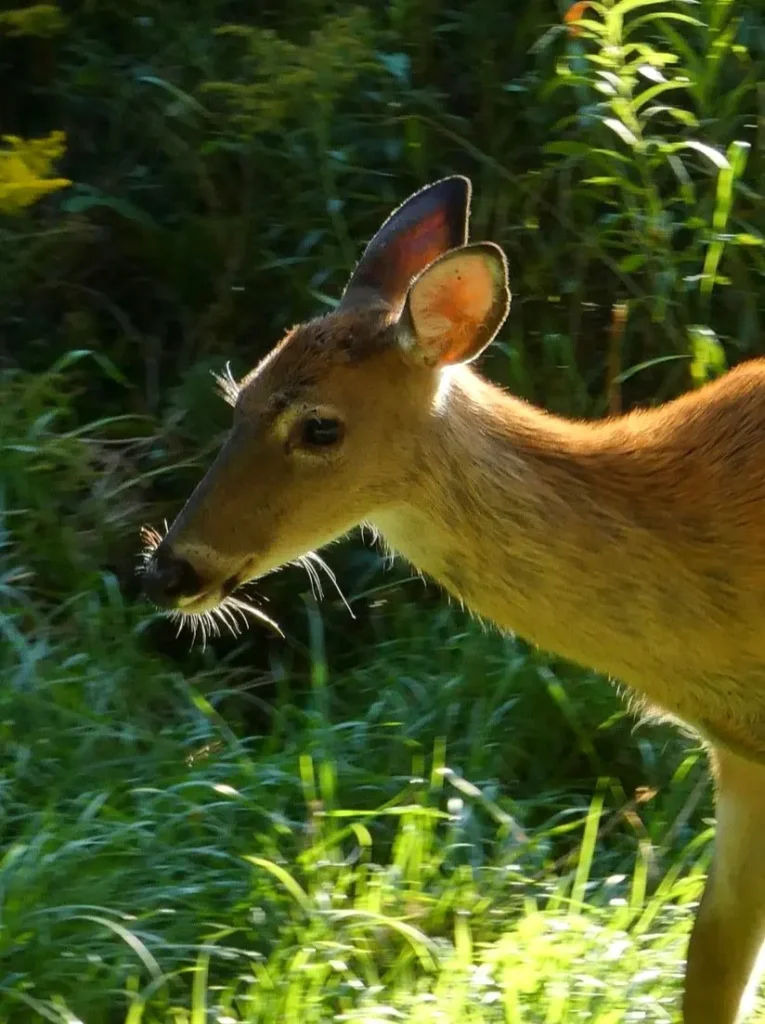
These graceful forest animals are easily recognized by the bright white underside of their tails, which they raise as a warning signal when alarmed ↗️.
Their coats shift with the seasons — reddish-brown in summer and grayish-brown in winter — helping them blend naturally into their surroundings year-round.
Nayarit is home to a healthy population of white-tailed deer, which play a vital role in maintaining ecological balance as both grazers and prey species within the jungle ecosystem.
Fun White-Tailed Deer Facts
- A deer’s home range is usually less than one square mile.
- Only male deer grow antlers, which they shed and regrow each year.
- Their diet includes a wide variety of plants, including leaves, grasses, and legumes.
- Deer communicate through vocal sounds, body language, scent marking, and ground scrapes.
Cultural Note
- For the Huichol people of this region, the white-tailed deer holds deep spiritual significance.
- According to tradition, the deer’s mystical elder brother, Kauyumari ↗️(the Blue Deer), guided the first humans and left sacred peyote in his footsteps.
Mexican Spider Monkeys
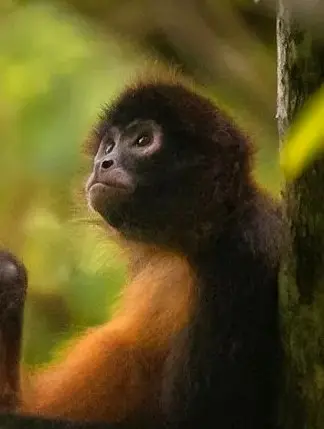
Mexican spider monkeys are large-bodied primates known for their agility and long limbs.
Adult males typically weigh around 17 pounds (7.8 kg), while females average 16 pounds (7.3 kg).
They are highly social animals, living in groups of 20–40 individuals, often dominated by females↗️.
These monkeys are often spotted swinging through the jungle canopy, using their long prehensile tails for balance and movement.
Fun Spider Monkey Facts
- Spider monkeys often practice “sunning,” lying on their backs to bask in the warmth of the sun.
- They show a strong preference for ripe, fleshy fruits as a primary food source.
- Communication includes vocalizations, facial expressions, body language, and physical contact within the group.
Howler Monkeys
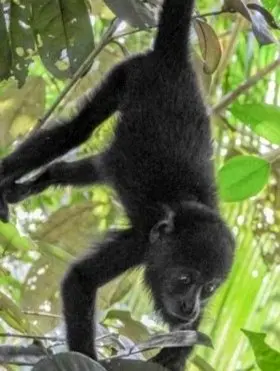
Howler monkeys are named for their powerful, far-carrying calls, which are among the loudest sounds produced by any land mammal↗️. These booming vocalizations establish territory and signal neighboring groups.
When one group begins to call, others often respond, creating a chorus that can echo through the jungle at dawn and dusk.
Fun Howler Monkey Facts
- Mexican howler monkeys minimize effort whenever possible and are considered among the most sedentary of all monkeys.
- They spend most of their lives in the treetops and rarely descend to the ground.
- Their broad diet includes leaves, flowers, buds, petioles, and fruits, allowing them to thrive year-round.
White-Nosed Coati
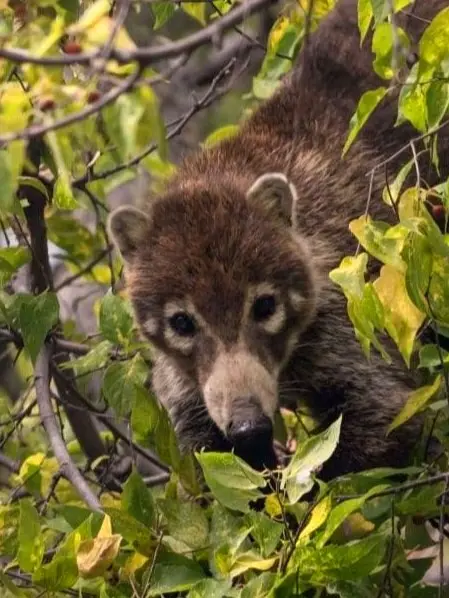
The white-nosed coati is a member of the raccoon family and measures about 1.5 to 2 feet in body length, with a tail that can grow nearly as long.
Its distinctive dark facial mask contrasts with the lighter fur around its eyes, nose, and ears, while the rest of its coat ranges from brown to reddish-gold.
Coatis are omnivorous foragers, using their long snouts and sharp claws to search through leaf litter for food↗️. Their diet includes beetles, grubs, ants, termites, spiders, and even scorpions.
Fun White-Nosed Coati Facts
- Although coatis spend much of their time on the ground, they are excellent tree climbers and swimmers.
- Their long tails help with balance, and they typically sleep in trees at night for safety.
- Coatis play an important role as pollinators of the balsa tree, spreading pollen as they feed on nectar.
- One of their favorite foods is prickly pear fruit, and they often return to the same cactus repeatedly until it is stripped bare.
Remember: coatis are wild animals, and it’s best to observe them from a respectful distance.
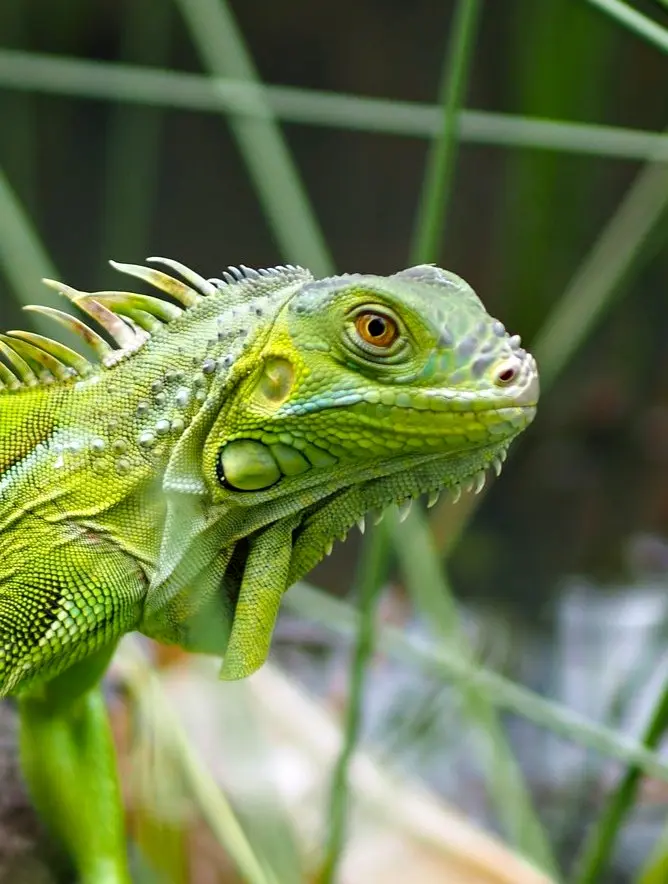
Green Iguanas
Green iguanas are commonly seen basking on rocks, walls, or tree branches, where they regulate their body temperature in the sun.
These reptiles thrive in humid, tropical environments and prefer life high in the tree canopy, using their strong claws and long tails to climb with ease.
Green iguanas are typically solitary, keeping to themselves except during mating season.
When threatened, they can move surprisingly fast, diving into vegetation or water to escape predators.
Fun Iguana Facts
- Green iguanas have a “third eye” — a photosensory organ on the top of their heads that helps detect predators from above.
- Their diet is primarily plant-based, consisting of leaves, flowers, fruits, and shoots from more than 100 plant species.
- Despite their calm appearance, green iguanas are capable of quick bursts of speed when startled.
Jaguars
The magnificent jaguar reigns at the top of the food chain in this region. Naturally shy, jaguars are rarely seen by humans, but occasional sightings have been reported during jungle hikes near Punta Mita — making them a powerful symbol of Nayarit’s wild landscapes.
Jaguars are the third-largest cats in the world, with males weighing up to 120 kg and females reaching up to 100 kg↗️.
Fun Jaguar Facts
- Nearly every Mesoamerican civilization revered the jaguar, with many cultures honoring a jaguar god as a symbol of power, protection, and the spirit world.
- Unlike most big cats, jaguars love water and are strong swimmers, often hunting in rivers and wetlands.
- Research shows that jaguars and humans can live in harmony in parts of Nayarit when natural habitats are preserved↗️.

Tlacuache (Opossum)
The tlacuache, also known as the opossum, is an inquisitive marsupial roughly the size of a house cat, with a long pointed nose, short legs, and coarse gray fur.
It contributes to ecological balance by helping control insect populations↗️.
In Mesoamerican legend, the tlacuache is remembered as the animal that brought the gift of fire to humans, a story passed down through oral tradition across central and western Mexico.
Fun Tlacuache Facts
- In laboratory tests, tlacuaches have demonstrated strong memory skills, outperforming animals such as cats, dogs, pigs, and even rats.
- When threatened, they often “play possum,” entering a temporary state that mimics death to deter predators.
- Their diet consists mostly of insects and other invertebrates, but also includes fruits, berries, and the eggs of wild birds.
- At birth, tlacuache babies are less than one centimeter long, weigh about a fifth of a gram, and are born blind and deaf, relying on instinct to find their mother’s pouch.

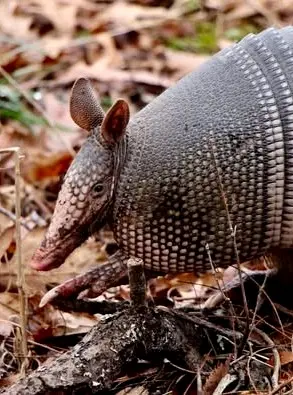
Armadillos
Recent research shows that what was once thought to be the nine-banded armadillo in this region is actually the Mexican long-nosed armadillo↗️. This species has between seven and eleven bands on its armor, along with a long pointed snout and short legs adapted for digging.
Armadillos are primarily nocturnal and spend much of their time foraging and resting underground, helping aerate soil while controlling insect populations.
Fun Armadillo Facts
- Armadillos eat hundreds of different foods, with insects making up the majority of their diet.
- They can sleep up to 16 hours per day, especially during hot weather.
- Because of the bony plates covering most of their bodies, the Spanish named them armadillo, meaning “little armored one.”
- Contrary to popular belief, most armadillos cannot roll into a ball — only three-banded armadillos have this ability.
Javelina
Javelina are often mistaken for wild pigs, but they are not pigs. They belong to the peccary family, a group of hoofed mammals native to the Americas↗️.
Adult javelina typically stand about two feet tall and weigh between 30 and 60 pounds.
They are social animals that live in close-knit family groups and rely heavily on scent and sound to communicate.
Fun Javelina Facts
- Javelina usually live in family groups of around a dozen members, defending shared sleeping and feeding areas.
- Communication happens primarily through smell and vocal sounds, not sight.
- Their diet includes both plants and small animals, with roots, grasses, seeds, and fruits making up most of their food.
- Although generally calm, javelina can become defensive if startled, so it’s best to give them space.
- They have an excellent sense of smell but relatively poor eyesight.

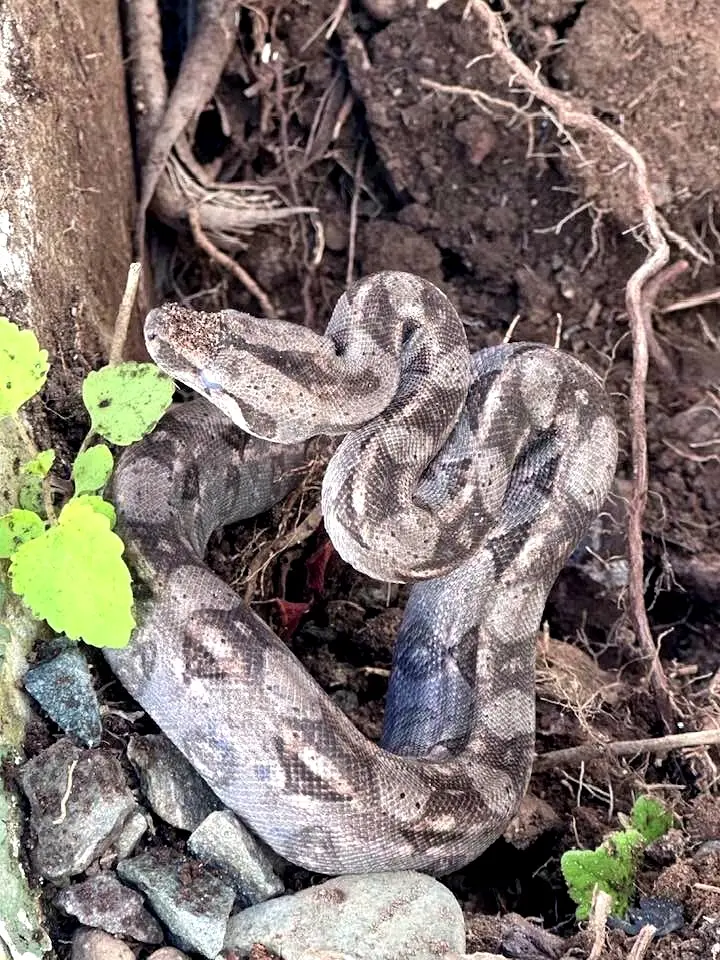
Boa Constrictors
Boa constrictors are non-venomous, heavy-bodied snakes that can reach lengths of approximately 2.5 meters, with females generally larger than males.
Their lifespan averages around 20 years, and they spend most of that time alone↗️.
These snakes are often observed near streams and rivers. While younger boas may climb trees and shrubs, adults typically remain on the jungle floor due to their size and weight.
Fun Boa Facts
- Boa constrictors prey on small mammals, especially rodents and opossums, as well as bats and birds.
- They kill prey by constriction, tightening their coils rather than using venom.
- Boa constrictors do not pose a threat to humans; people are far outside their natural prey size range.
- Bites are uncommon and not dangerous with standard medical care.
Crocodiles
In Nayarit, American crocodiles are found primarily within protected habitats, where conservation programs and public education help reduce human–wildlife conflict.
Part of a lineage more than 200 million years old, these ancient reptiles have survived multiple mass extinctions and dramatic climate shifts.
Naturally shy and reclusive, they avoid people and are most often observed only within managed sanctuary environments.
Outside established conservation areas, sightings are uncommon and typically limited to mangrove ecosystems during the rainy season, such as El Salado State Park near Marina Vallarta and the El Cora Crocodile Sanctuary↗️.
Encounters beyond protected habitats are rare, with conservation efforts focused on keeping both wildlife and visitors safe.

Advice for Hiking in the Jungle
Hiking the jungle can be a near-mystical experience, remembered for a lifetime through exotic plants, layered canopies, and sweeping views. As we explain here and in Wildlife of Sayulita Is Safe, the animals you may encounter are non-aggressive and naturally avoid people, allowing visitors to explore responsibly with basic awareness and respect.
What to Wear: Hiking shoes, a wide-brimmed hat, and lightweight, quick-dry clothing.
What to Bring: Plenty of water, sunscreen, insect repellent, and your camera.
How to Spot Wildlife: Keep your eyes open, move quietly, and walk slowly in small groups.

Sayulita Hiking Tours
Guided hikes offer a deeper look into Sayulita’s surrounding jungle while keeping the experience safe, educational, and relaxed. Local guides know where wildlife is most often spotted and how to move through the terrain responsibly.
EcoHike Sayulita Hiking Tours
📍 C. Sábalo 7 | 📞+52-322-368-5021 |
✉️ contact.ecohike@gmail.com
What Guests Say:
“10/10 recommend this hike! It was the perfect length for my husband and me.”Wanderlust Sayulita
📍 Av. del Palmar 25 | 📞+52-322-350-2334
What Guests Say:
“This was an amazing way to spend a morning and would absolutely recommend.”Monkey Mountain Hiking
What Guests Say:
“Extraordinaria experiencia, la vista fenomenal, súper recomiendo.”
Hiking Sayulita
What Guests Say:
“An amazing guide who is very knowledgeable and passionate.”WildMex Surf & Adventure
📍 150-G, C. Pelícanos | 📞 US +1-877-904-3974;
MX +52-331-454-0336 | ✉️ info@wildmex.com
What Guests Say:
“I can't say enough good things, everybody there was so kind and fun.”Rancho Mi Chaparrita
📍 Carretera Higuera Blanca km 1.3 | 📞 +52-322-190-0302
| ✉️ contacto@michaparrita.com
What Guests Say:
“Wonderful experience horseback riding through the jungle.”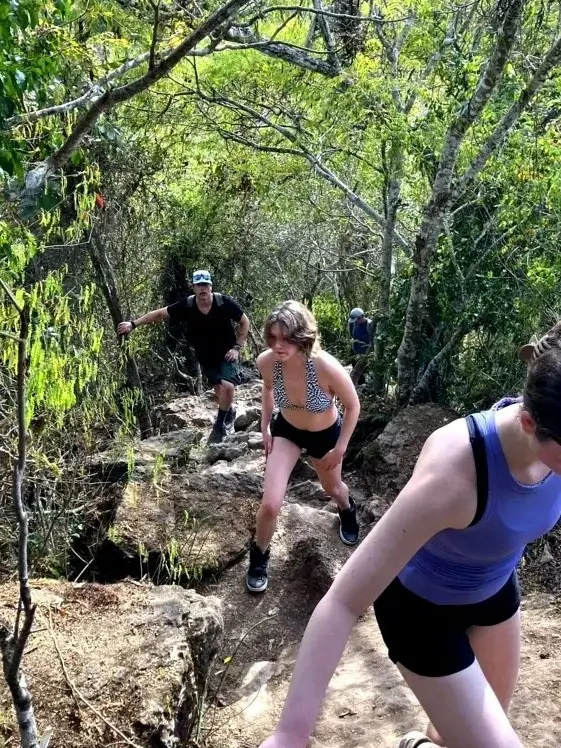
🔎 More FAQ About Sayulita, One Discovery at a Time
Curious about where to explore, eat, swim, watch wildlife, or unwind? Our Travel Guides help you discover Sayulita at your own pace.
Start with our Interactive Sayulita Travel FAQ , where you can search more than 140 local questions — from hidden beaches to the best regional flavors. Just type a word and the answers appear instantly.
For peace of mind, our Safety Guide for Travelers helps you navigate Sayulita confidently before and during your stay.
❓ Still Have Questions? We’re Here to Help
Traveling somewhere new feels easier with trusted local insight. Reach out anytime by email or phone , and our friendly team will help you plan your trip, choose the right tours, and explore Sayulita with confidence.

✔️ Searching for the Best Resort in Sayulita? Discover Amari Boutique Hotel
Tucked along Sayulita’s quieter North Side, Amari Boutique Hotel offers calm Pacific views and an atmosphere designed for slow, restorative stays. Mornings are peaceful, evenings are quiet, and nature often sets the rhythm — from ocean breezes to occasional dolphin sightings offshore.
🌿 Wellness & Quiet Comfort:
Guests unwind with thoughtful wellness amenities , including serene spaces designed for rest and renewal after days spent exploring jungle trails or coastal waters.
🌸 Design & Conscious Living:
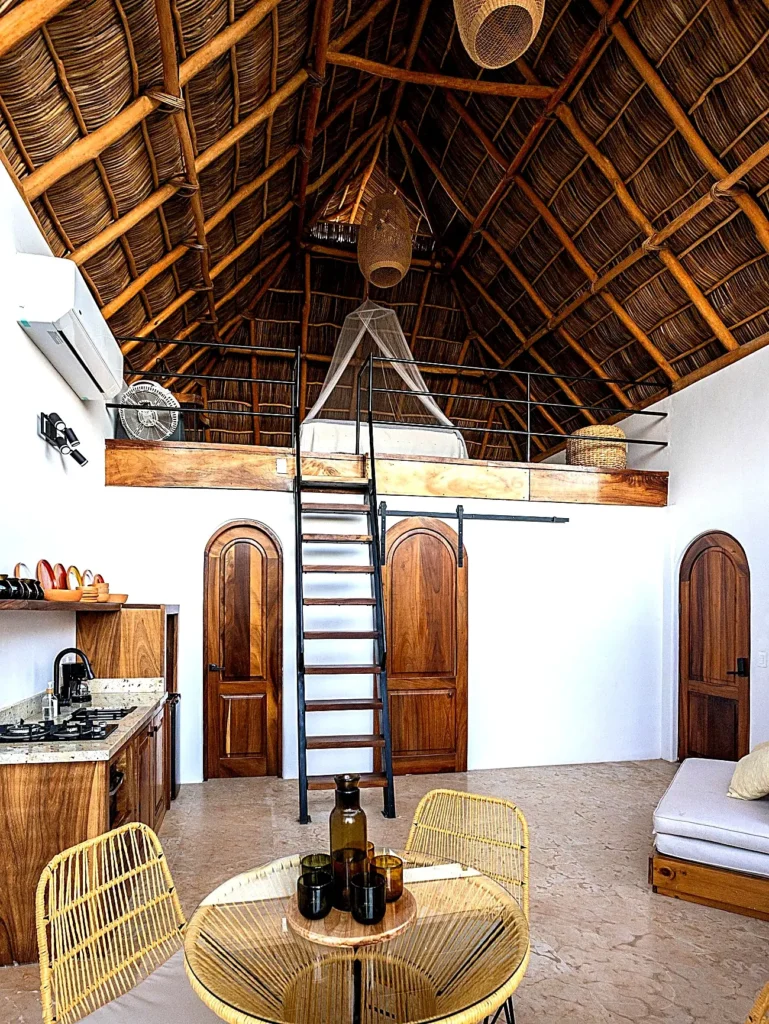
Each suite reflects mindful craftsmanship and sustainable values . Explore elevated comforts — including the saltwater pool, sauna, and cold plunge — in our curated amenities collection .
⭐ What Guests Love About Staying at Amari
“Wow — where do I begin? This little boutique hotel is adorable! I would definitely stay here again.” — Danica, 2025
“I loved my time at Amari Sayulita. The location is ideal, the rooms are lovely. The Wi-Fi is super-fast, and the pool, ice plunge, and tropical gardens are so relaxing.” — Rob, 2025
“Absolutely stunning, the interior is so beautiful — a true oasis. Highly recommend.” — Sarita, 2025
➡ Experience the rhythm of the Pacific at your own pace — where calm mornings may reveal quiet offshore movement and evenings settle into ocean-view serenity.
Discover suites designed for slow, restful mornings
For a full overview of beaches, culture, food, weather, and logistics, explore our Plan Your Trip to Sayulita Guide.