
🍹 Popular Mexican Drinks: A Sayulita Guide to Classic Sips, Cocktails & Aguas Frescas
Sayulita doesn’t just serve drinks — it serves stories in a glass. From smoky agave spirits and citrus-forward cocktails to refreshing aguas frescas and comforting corn-based beverages, Mexico’s rich drink traditions offer a flavorful window into the country’s history and culture.
Many of these iconic beverages trace their roots to Indigenous traditions, colonial-era craftsmanship, and regional celebrations, with each part of Mexico adding its own distinctive character. In Sayulita, you can experience that diversity in a single day: begin with a café de olla, cool off with an agua de jamaica, then end the evening with a handcrafted mezcalita or paloma beneath the town’s twinkling lights.
Many of these drinks can be enjoyed throughout Sayulita, including at our favorite restaurants, beach restaurant-bars, breakfast cafés, coffee spots, seafood restaurants, and the town’s lively bars and nightlife.
New to Sayulita? Visit our Plan Your Trip to Sayulita Guide.
📑 Explore These Refreshments at Your Own Pace
🥃 Alcohols: 🌞 Tequila · 🔥 Mezcal · 🌿 Raicilla · 🍬 Charanda
🍸 Alcoholic Drinks, Beers & Wines: 🍋 Margarita · 🌋 Mezcal Margarita (Mezcalita) · 🍊 Paloma · 🏺 Cantarito · ☕ Carajillo · 🥤 Charro Negro · 🍺 Chelada · 🍫 Kahlúa · 🍻 Craft Beers · 🌶️ Michelada · 🌽 Atole · 🍷 Mexican Wines
🧃 Non-Alcoholic Drinks: 🍉 Aguas frescas · 🥛 Horchata · 🌺 Agua de jamaica · 🌽 Pozol · 🍈 Guanábana Juice · 🥤 Mexican Coke · 🥭 Mangonada · 🍊 Ponche · 🍫 Champurrado · ☕ Mexican Hot Chocolate · 🫖 Café de olla · 🍍 Tepache
🍹 Explore More Food & Drink Guides · 🔎 Answers to Sayulita Questions · 🏨 Where to Book Your Stay in Sayulita · 🗣️ Guest Highlights About Amari
🥃 Alcohols
🌞 Tequila
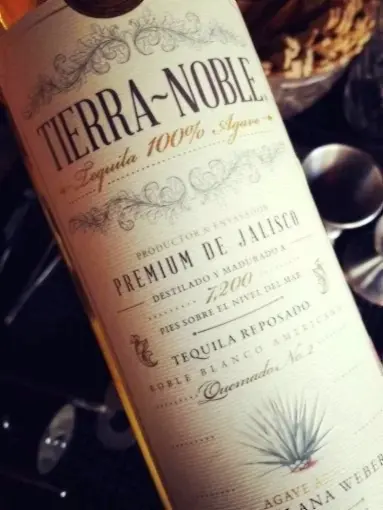
Mexico’s most celebrated distilled spirit, tequila traces back to pulque — a fermented agave drink made by the Aztecs for nearly two millennia↗️.
Made from Blue Weber agave, tequila is a tightly regulated type of mezcal, produced primarily in and around the town of Tequila near Guadalajara. Only approved regions can label a spirit “tequila,” and each bottle carries a NOM number identifying the distillery.
Fans love its clean range of styles — blanco, reposado, and añejo — served neat, as a classic shot with salt and lime, or mixed into cocktails like the Margarita.
🔥 Mezcal
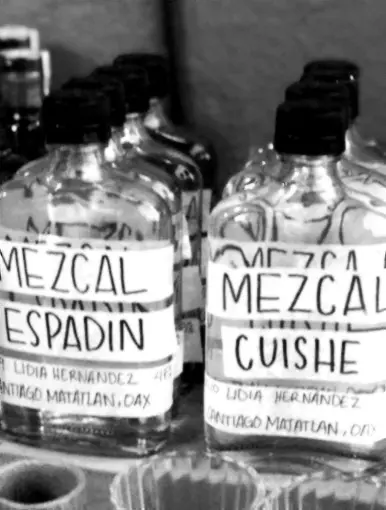
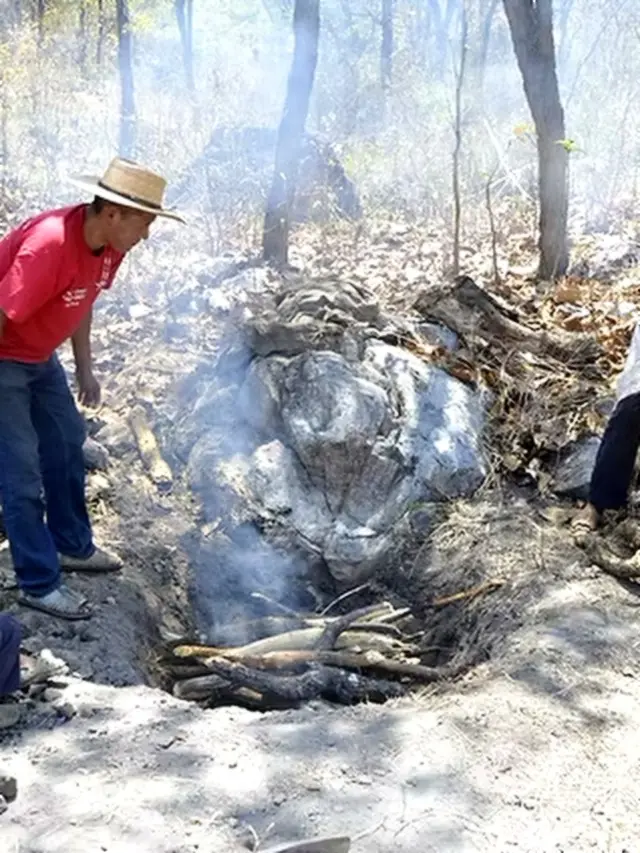
Think of mezcal as the broader category of agave spirits — with tequila as one specific type. Unlike tequila, mezcal can be made from many agave varieties and is often produced in small batches using traditional methods — like roasting agave hearts underground, which gives mezcal its signature smoky, earthy flavor.
It’s typically sipped slowly and paired with orange slices and chili salt ↗️ for an extra savory punch: Compare a smooth espadín mezcal to a wilder variety like cuishé, which often tastes more herbal and complex.
Many bottles list the agave variety, village, and mezcalero, and rare mezcals can come from agaves that take 15–30 years to mature.
🌿 Raicilla
From Jalisco’s coastal and mountainous regions, raicilla is a lesser-known agave spirit. With a history stretching back roughly 300 years, it now holds a protected Denomination of Origin.
Often called Mexico’s original “moonshine,” raicilla is traditionally distilled in rudimentary stills ↗️. It’s made from a fermented mash of agave — typically using the cooked heart (piña).
In the glass, raicilla can echo mezcal’s earthy smokiness, but it frequently skews brighter and more aromatic — think fruity, floral, and herbaceous notes — depending on the agave variety and distillation style. It’s a great next step for mezcal lovers craving something lighter and more perfumed.
🍬 Charanda
Made from sugarcane, charanda is a traditional Mexican spirit — often described as an artisanal aguardiente or rum — with roots stretching back to the 16th century ↗️.
Produced exclusively in Michoacán, the name comes from the Purépecha word for “red-colored soil,” referencing the region’s iron-rich earth.
What makes charanda distinctive is not just where it’s made, but how it earned legal recognition of its name and identity. In flavor, it’s warm and gently sweet, with notes of vanilla, caramel, and spice depending on aging.
Enjoy it neat, pour it over ice, or mix it into cocktails as a Mexican alternative to rum — especially delicious with lime, pineapple, or cola. For travelers, it’s an underrated, authentic discovery beyond tequila and mezcal.

🍸 Alcoholic Drinks, Beers & Wines
🍋 Margarita
Few cocktails are more iconic than the margarita — and it’s among the most beloved drinks worldwide. Made with tequila, fresh lime juice, and orange liqueur (often triple sec), it can be served on the rocks or blended, finished with a salt rim that sharpens and amplifies the citrus.
Its origin story is famously debated, but the earliest known written references date back to the late 1930s ↗️. Since then, multiple sources across different countries have claimed credit for its creation.
Wherever it truly began, a margarita is a must-drink in Sayulita. For the best flavor, choose 100% agave tequila, use fresh-squeezed lime, and don’t over-sweeten. Want a coastal twist? Try mango, maracuyá (passion fruit), or tamarindo for a brighter, fruit-forward variation.
🌋 Mezcal Margarita (Mezcalita)
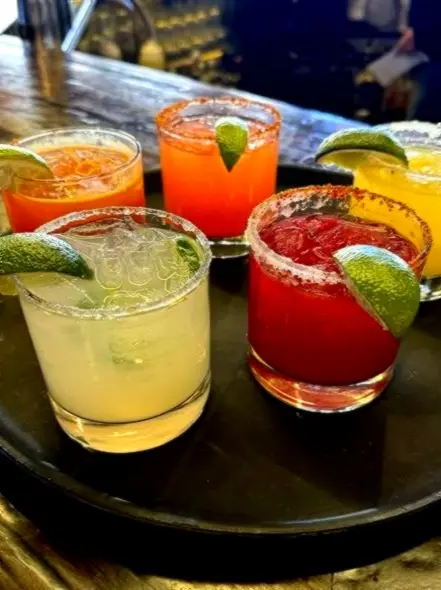
Often called a mezcalita, the mezcal margarita swaps tequila for mezcal to create a deeper, smokier take on the classic. Mixed with fresh lime juice and a bold orange component like Cointreau (or even a splash of fresh orange juice), it delivers bright citrus up front with mezcal’s roasted, earthy complexity underneath.
Because mezcal varies widely by agave species and production style, two mezcalitas from different bars can taste completely different — ranging from herbaceous and green to fruity, floral, and aromatic, with smokiness that can shift dramatically across producers ↗️.
Many bars finish the glass with a salt rim, or upgrade it with tajín or sal de gusano, adding a savory kick that plays beautifully with mezcal’s smoky edge.
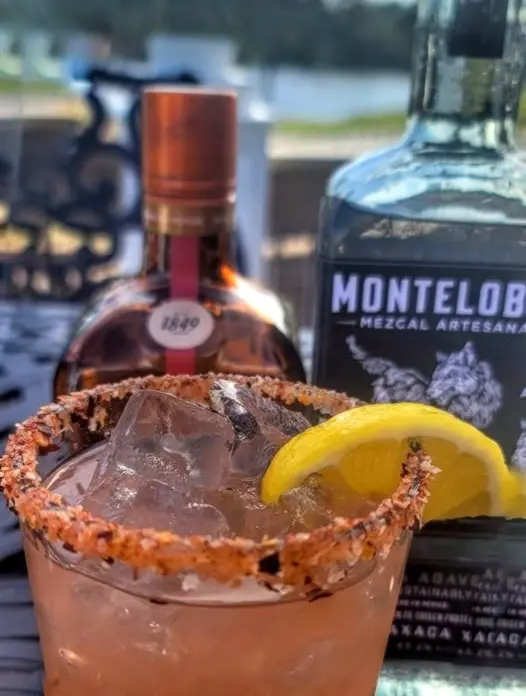
🍊 Paloma
One of Mexico’s most popular cocktails, the paloma often wins locals over margaritas because it’s lighter, fizzier, and endlessly refreshing.
It’s traditionally made with tequila, grapefruit soda, and lime, with classic ratios outlined in Difford’s Guide ↗️.
For a fresher version, many coastal bars use fresh grapefruit juice instead of soda, creating a cleaner, less sweet cocktail that pairs perfectly with tacos and seafood.
Some versions are finished with a pinch of salt or a tajín rim, which makes the grapefruit taste even brighter.
🏺 Cantarito
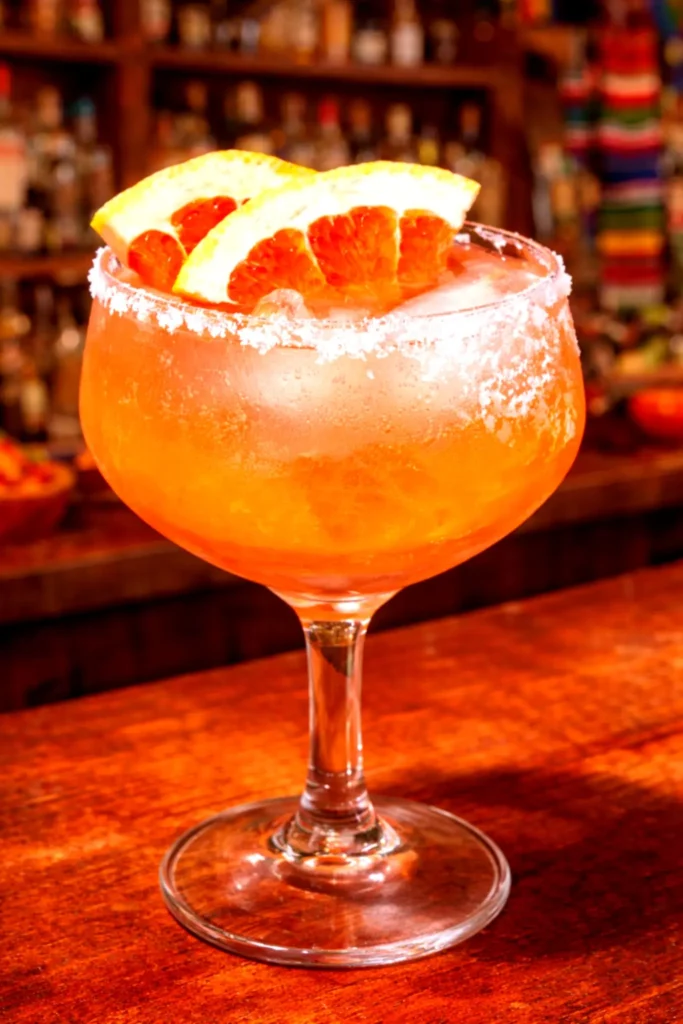
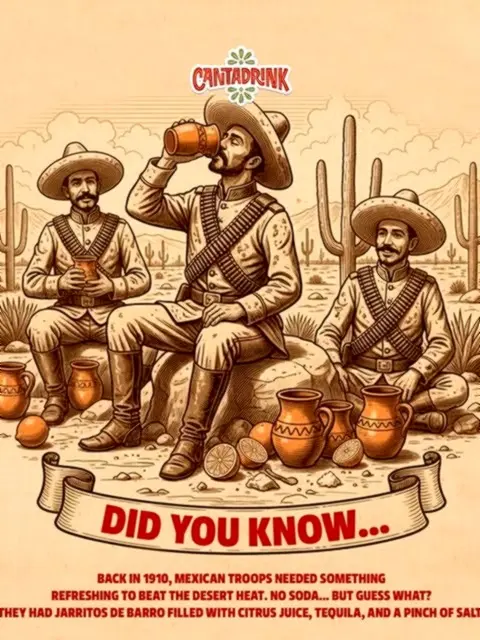
Similar to a paloma but with more depth and complexity, the cantarito is a traditional Jalisco cocktail served in a rustic clay cup. It blends tequila with fresh orange, grapefruit, and lime juices, topped with grapefruit soda for a bright, citrusy finish. For an authentic preparation, check out Receta de Cantarito ↗️.
Exceptionally refreshing in hot weather — especially during Sayulita’s warm summer months — it’s the perfect drink to cool off after a day at the beach.
☕ Carajillo
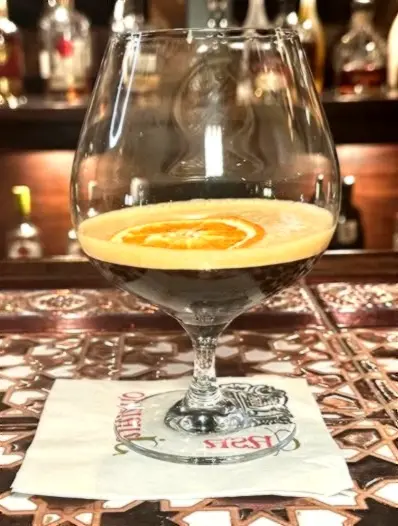
With Spanish roots, the carajillo has become a beloved Mexican after-dinner cocktail, evolving from its original hot preparation into the chilled classic ↗️ enjoyed across the country today.
Traditionally, it’s a simple two-ingredient cocktail—equal parts freshly brewed espresso and Licor 43—served over ice and often shaken until it develops a rich, silky foam.
Sweet, smooth, and perfectly balanced, the carajillo delivers the flavors of coffee and dessert in a single glass. It pairs exceptionally well with traditional Mexican desserts like flan or churros, and is also a wonderful complement to classic Mexican dishes, especially grilled meats, mole, and other rich regional specialties. If you enjoy coffee-based cocktails, it’s one of the easiest “yes” orders after dinner when you want something indulgent yet surprisingly light.
🥤 Charro Negro
A classic tequila cocktail, the Charro Negro is made with cola and lime. Its name appears to derive from the Legend El Charro ↗️. The charro (“cowboy”), elegant-looking man in impeccable black suit, appears at dusk in lonely streets, always looking for a pedestrian to offer gold coins.
Often compared to a rum and coke, tequila and lime give it a sharper, brighter finish. If you order it with Mexican Coke, many people swear the cane sugar makes it noticeably smoother.

🍺 Chelada
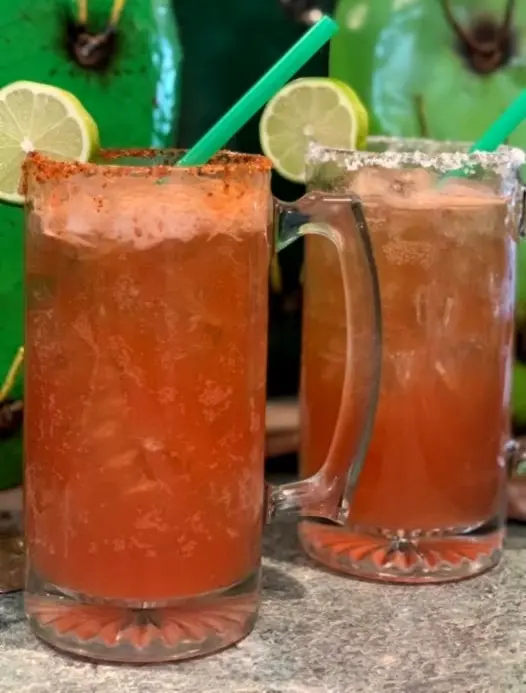
Simple, crisp, and incredibly refreshing, the chelada is made with beer, fresh lime juice, and a salted rim. Often considered the milder cousin of the michelada, it skips the sauces and spices, letting the clean, citrusy flavors shine.
Perfect for cooling off during Sayulita’s hot weather, especially in the summer months, the chelada is one of the easiest drinks to order at the beach when you want something light, refreshing, and not overly sweet. The colder the better ↗️.
🍫 Kahlúa
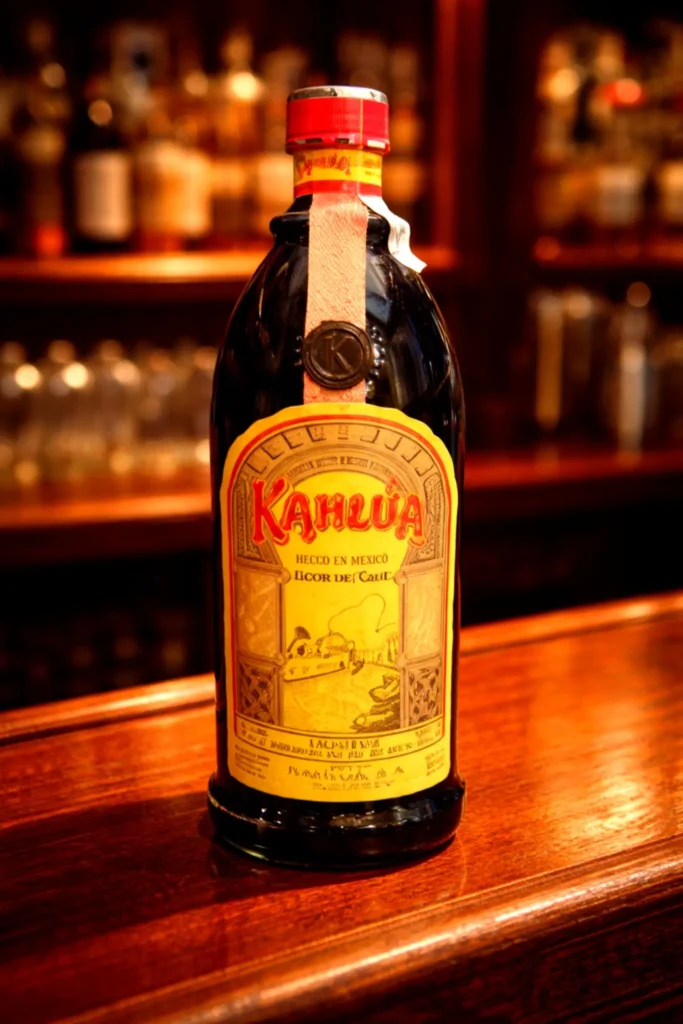
Crafted with Arabica coffee, sugarcane rum, and vanilla, Kahlúa is Mexico’s most famous coffee liqueur.
For the uninitiated, many don’t realize that this iconic coffee-flavored liqueur was created in Veracruz, Mexico since 1936 ↗️.
It’s closely tied to Veracruz’s coffee culture, which is why it pairs so naturally with espresso-based cocktails.
Today, Kahlúa remains one of Mexico’s most recognizable exports — especially beloved by travelers who gravitate toward anything coffee-forward. Enjoy it over ice, or savor it as a smooth dessert sip after a spicy meal.
🍻 Craft Beers
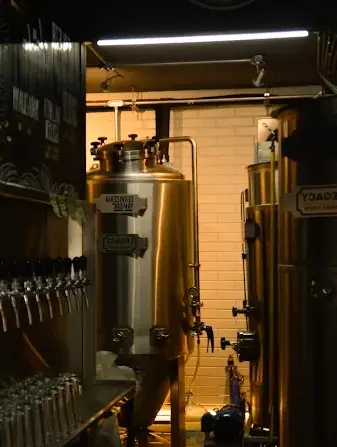
While Mexico is known worldwide for lagers like Corona and Pacífico, its craft beer scene has grown dramatically — especially in Baja, Mexico City, and along the coast.
Behind Mexico’s long beer tradition is a 19th-century wave of German immigration, which helped shape the crisp, lager-forward styles the country is famous for today.
For the best pairing with seafood and tacos, choose something clean, bright, and lightly citrusy — refreshing enough to complement the flavors without overpowering them.
In Sayulita, you can sample local craft pours at YamBak↗️, a popular nightspot.
🌶️ Michelada
Bold and savory, the michelada is built on Mexican lager, lime, spices, and umami-rich sauces — often finished with tomato juice or Clamato for extra body.
Think of it as a Bloody Mary’s beachy cousin, but lighter, fizzier, and endlessly customizable: Worcestershire, Maggi, hot sauce, black pepper, and a salty, chile-dusted rim are all fair game. Some versions even add tamarindo for a sweet-sour edge.
As for the origin story, one popular version credits Michel Ésper↗️ in the 1960s, who reportedly ordered beer with lime, salt, ice, and a straw — others began calling it “Michel’s lemonade,” which evolved into michelada. Another explanation is linguistic: michelada is often described as “mi chela helada” (“my cold beer”), blending chela (beer slang) with helada (cold).
If you’re spice-sensitive, ask for it “suave” (mild) before they go heavy on the heat.

🌽 Atole
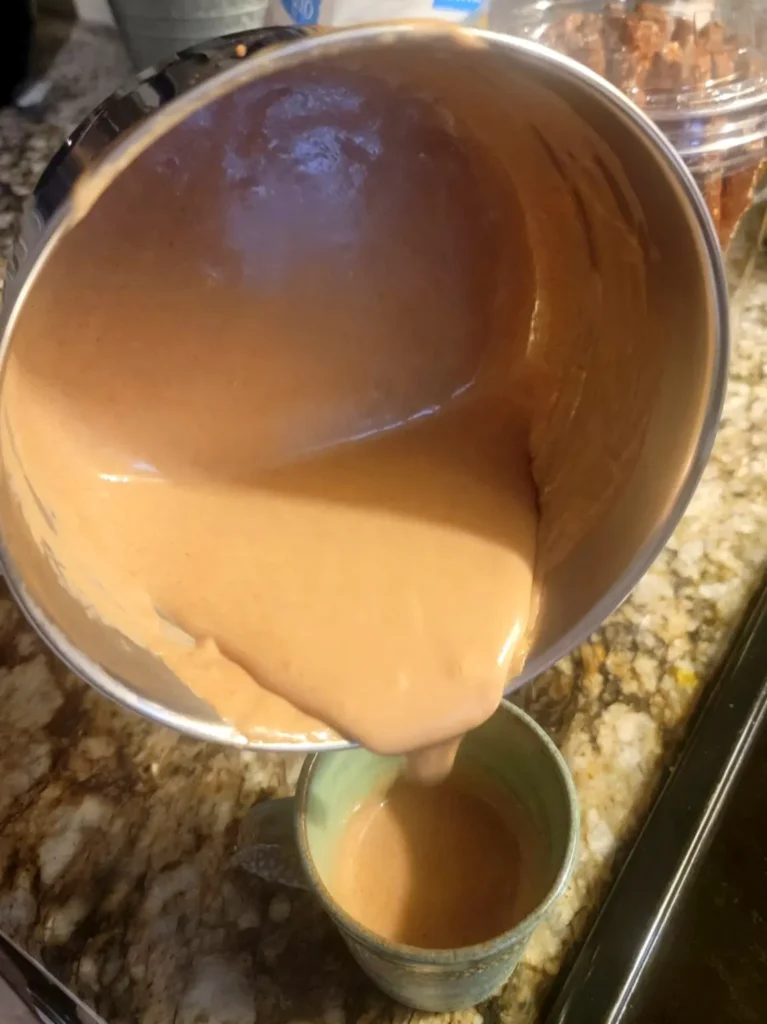
Atole is a traditional warm Mexican drink made with masa (corn dough), water or milk, cinnamon, and sweeteners like piloncillo — often finished with vanilla for extra depth.
With deep Indigenous roots, it’s considered a prehistoric-era beverage ↗️ and remains a beloved staple across Mexico, especially during cooler months and early-morning market breakfasts.
Atole is also closely tied to holiday traditions, commonly enjoyed during Las Posadas, New Year’s Eve, and Day of the Dead,. Explore our blog Día de los Muertos in Sayulita for additional interesting details.
Naturally nourishing thanks to the masa base, it’s often described as drinkable comfort food — especially when paired with tamales during festive celebrations.
🍷 Mexican Wines
One of the country’s most underrated food-and-drink experiences, Mexican wine shines — especially in Baja California’s Valle de Guadalupe, where ocean-cooled breezes, warm days, and a chef-driven tasting scene have made the valley Mexico’s top wine destination.
Mexican wines began in the 16th century ↗️when the Spaniards brought vines to New Spain, planting the earliest roots of winemaking long before Mexico was famous for agave spirits.
Valle de Guadalupe now shines with boutique wineries and vineyard restaurants, pouring everything from crisp Chenin Blanc to bold Nebbiolo — while regions like Querétaro, Coahuila, and Guanajuato use altitude and cool nights to craft elegant sparklers and vibrant reds.
🧃 Non-Alcoholic Drinks
🍉 Aguas frescas
Aguas frescas ↗️ (“fresh waters”) are traditional Mexican beverages made with water, fresh fruit, a touch of sugar, and sometimes seeds or grains.
A daily staple throughout Mexico, they’re commonly served from large glass jars (vitroleros) at local markets, street stands, and family-run restaurants. Popular flavors include watermelon (sandía), hibiscus (jamaica), tamarind (tamarindo), and melon (melón), with seasonal fruits often inspiring new varieties throughout the year.
Naturally light and incredibly refreshing, aguas frescas are especially popular in Mexico’s beach destinations, where they offer a delicious way to cool off after time in the sun. Whether you’re exploring Sayulita or other coastal towns, you’ll find these colorful drinks almost everywhere locals and visitors gather.
🥛 Horchata
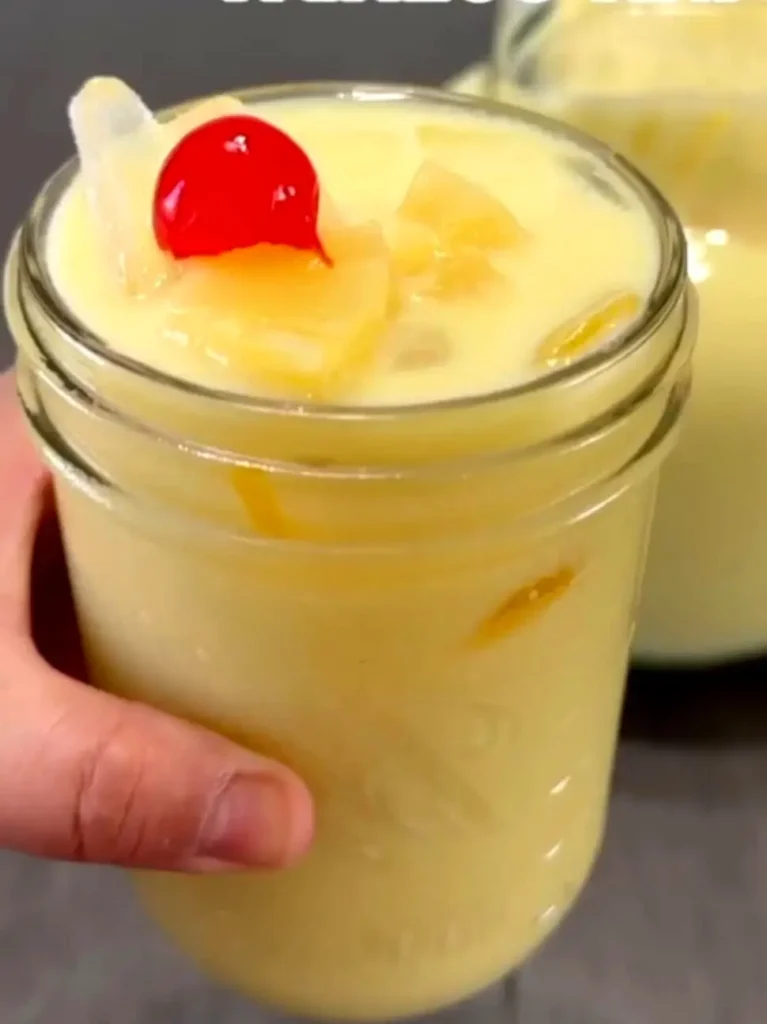
Served cold with a smooth, milky texture, horchata is a creamy, sweet drink made from rice, cinnamon, and sugar — often described as liquid rice pudding: comforting, lightly spiced, and incredibly refreshing.
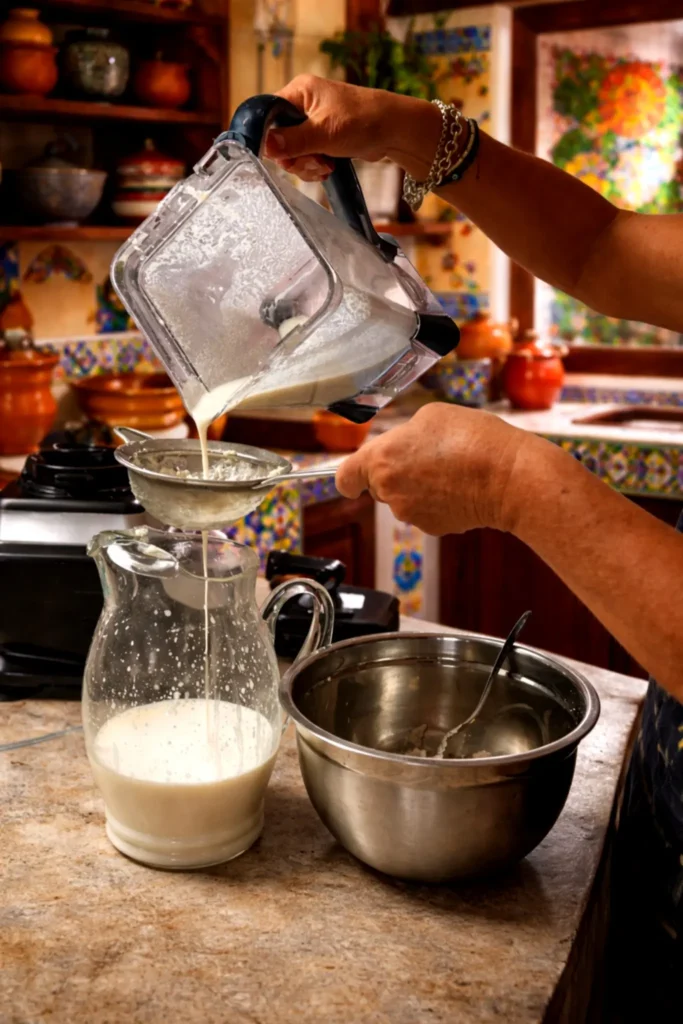
It’s made by steeping rice and cinnamon in water ↗️ and then blending and straining the mixture before sweetening it. Some versions include almonds, condensed milk, or vanilla, making it richer and more dessert-like.
Horchata is especially loved because it cools the palate and pairs beautifully with spicy food — creating the perfect contrast to bold Mexican flavors.
🌺 Agua de jamaica
Tart and ruby-red, agua de jamaica is a classic agua fresca made by steeping dried hibiscus flowers in water, then sweetening it to taste.
“Jamaica” means hibiscus, which is why the flavor is bright and sweet-tart with a subtle floral undertone ↗️.
It’s usually served over ice, glowing a gorgeous crimson in the glass, and it’s commonly enjoyed with meals because it pairs beautifully with tacos, seafood, and spicy dishes.
Many households brew it extra strong and dilute it later — so it can taste light and delicate in one place, and bold and punchy in another.

🌽 Pozol
Made from nixtamalized maize dough, pozol is a spontaneous, nonalcoholic fermented drink, enjoyed since pre-Hispanic times and considered a traditional component of Mayan food culture↗️.
Different from pozole (the soup), pozol is prepared by dissolving fermented corn dough in water↗️. Beloved in southern Mexico — especially Chiapas and Tabasco — it’s sometimes mixed with cacao for a rustic cocoa note.
Heartier than an agua fresca, pozol is nourishing enough to fuel farmers and travelers. Its flavor can be lightly tangy from fermentation or smooth, with a gentle corn sweetness, and it’s served plain or lightly sweetened. It’s typically served chilled, and often stirred as the corn naturally settles.

🍈 Guanábana Juice
Made from soursop fruit, guanábana is loved for its refreshing, slightly tangy flavor and naturally creamy texture. The fruit comes from the graviola tree, an evergreen native to Mexico.
Often described as a tropical blend of strawberry, pineapple, and citrus, guanábana juice is sweet, bright, and smooth. And because it’s less common than jamaica or horchata, it often becomes a surprise favorite for travelers the moment they spot it on a menu.
Herbal practitioners even use soursop fruit and graviola tree leaves as traditional remedies ↗️for ailments like stomach issues, fever, parasitic infections, hypertension, and rheumatism.
🥤 Mexican Coke
The Mexican version of Coca-Cola exported to the U.S. is sweetened with cane sugar instead of high-fructose corn syrup, which many people say gives it a smoother, cleaner sweetness.
Soda fans swear that Mexican Coke tastes better ↗️ — and is even bubblier — than its American counterpart. Try it for yourself and decide.
It’s a classic companion to Mexican street food, as its sweetness perfectly balances spicy, smoky, and salty flavors. You’ll usually find it served in the iconic glass bottle, which many people believe keeps it colder and crisper.
Whether you’re visiting during the warm summer months or the cooler dry season, an ice-cold Mexican Coke is refreshing any time of the year when visiting Sayulita. It’s also a classic Mexican “hangover helper,” often enjoyed with a squeeze of fresh lime after a late night.

🥭 Mangonada
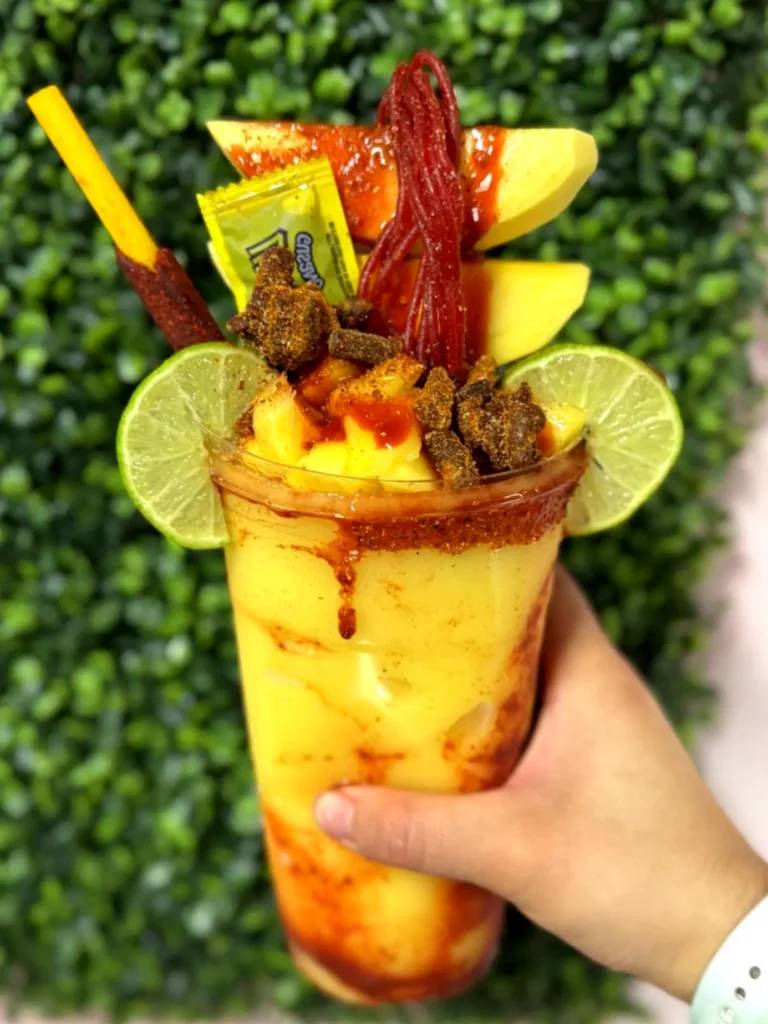
Sweet, spicy, and icy, the mangonada is a mango drink, usually blended like a slushy and layered with lime, chili, and chamoy. It’s bold, fruity, and cooling — one of the most fun things to order on a hot afternoon if you love sweet + spicy flavors.
It’s a classic Mexican treat made with mango (sometimes slightly fermented), Tajín, and chamoy, then topped with chili powder — delivering that addictive sweet, salty, tangy combo.
Ask for a mangonada margarita for an extra kick. Explore here for a great mangonada recipe ↗️.
🍊 Ponche
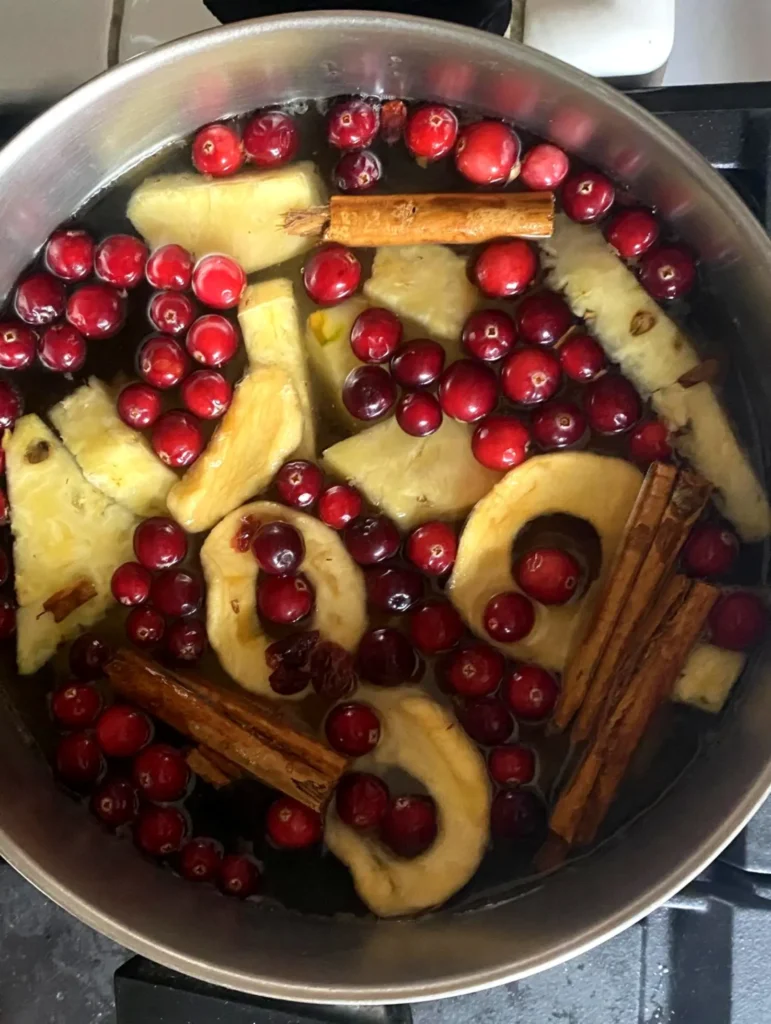
Most commonly served warm during the holidays, ponche is a traditional Mexican fruit punch, especially around Christmas and New Year’s celebrations. Explore our blog Sayulita Festivals & Mexican Holidays .
It’s simmered with fruits like guava, apple, and sugarcane, plus cinnamon and piloncillo, and many families add tejocote for classic flavor. Because it’s cooked slowly, it tastes deeply infused and fragrant rather than simply fruity.
🍫 Champurrado
Thick and warming, champurrado is made with masa, chocolate, milk or water, and cinnamon. A recipe is available under champurrado on Serious Eats ↗️.
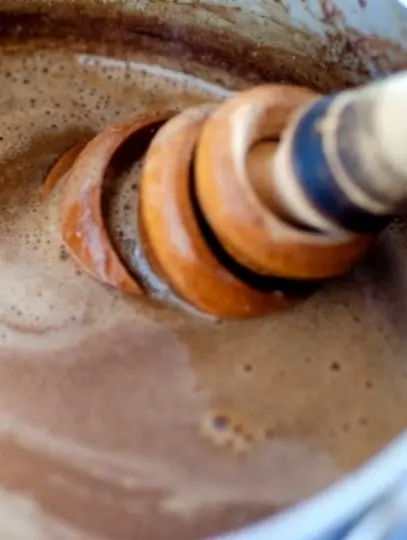
It’s often enjoyed with tamales during the holidays or as a cozy breakfast on cool mornings, and whisked with a molinillo to create a frothy, velvety texture.
Champurrado belongs to the broader family of atoles — corn-based drinks with roots in pre-Hispanic Mexico — and the masa makes it more filling than regular hot chocolate.
The name is often linked to its “mixed” or blended consistency, which is exactly what you get when the masa and chocolate come together into a silky, drinkable custard.
☕ Mexican Hot Chocolate
Similar to champurrado, Mexican hot chocolate ↗️ is similar to champurrado, but with one key difference: it doesn’t include corn masa.
Instead, it’s a rich, creamy, cozy drink flavored with cinnamon, cayenne pepper, vanilla, and Mexican chocolate bars — typically made with pure cacao and almonds. Compared to its American counterpart, it has a deeper chocolate flavor and is usually less sweet.
To prepare it the traditional way, it’s whisked with a wooden tool called a molinillo ↗️until frothy. And because the Maya were among the first to cultivate cacao, this drink carries truly ancient roots.
🫖 Café de olla
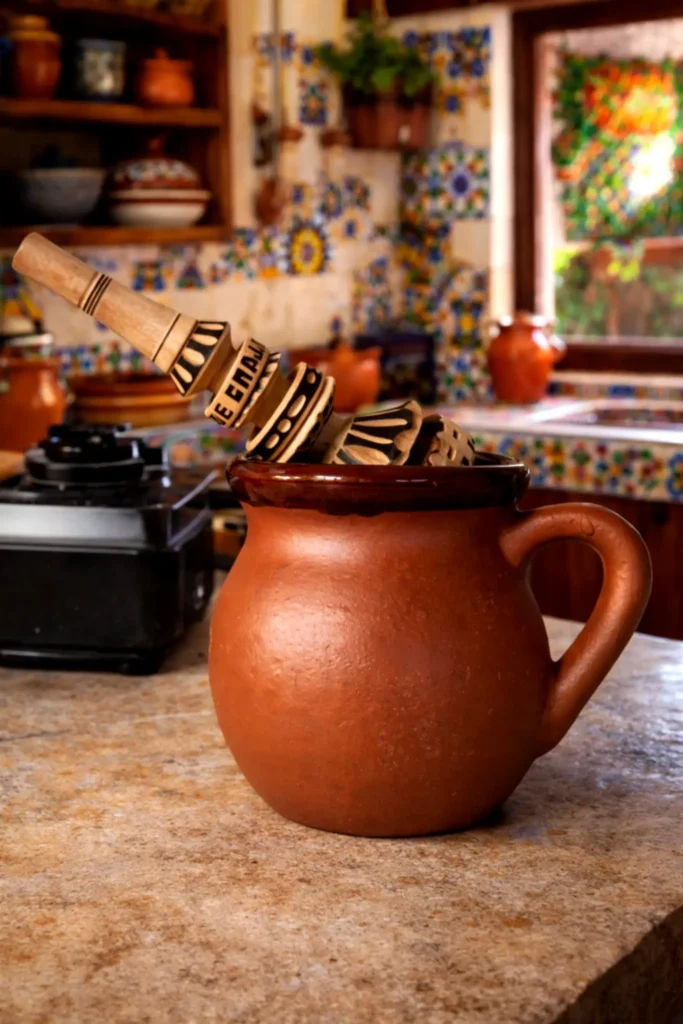
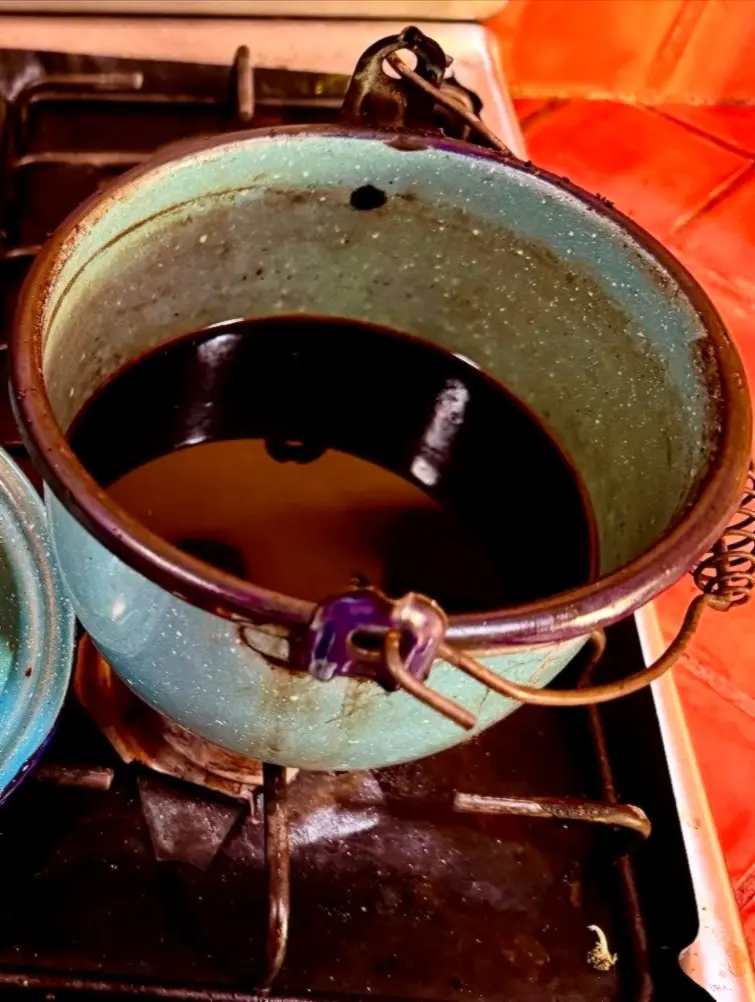
Café de olla is a classic Mexican coffee brewed with cinnamon and piloncillo. Traditionally prepared in an earthen clay pot, many purists say adds a subtle, earthy note to the flavor ↗️.
The cinnamon–piloncillo combination creates a caramel-like sweetness that feels richer than standard sugar, making café de olla one of the easiest “taste of Mexico” drinks to order — warm, fragrant, and instantly comforting.
🍍 Tepache
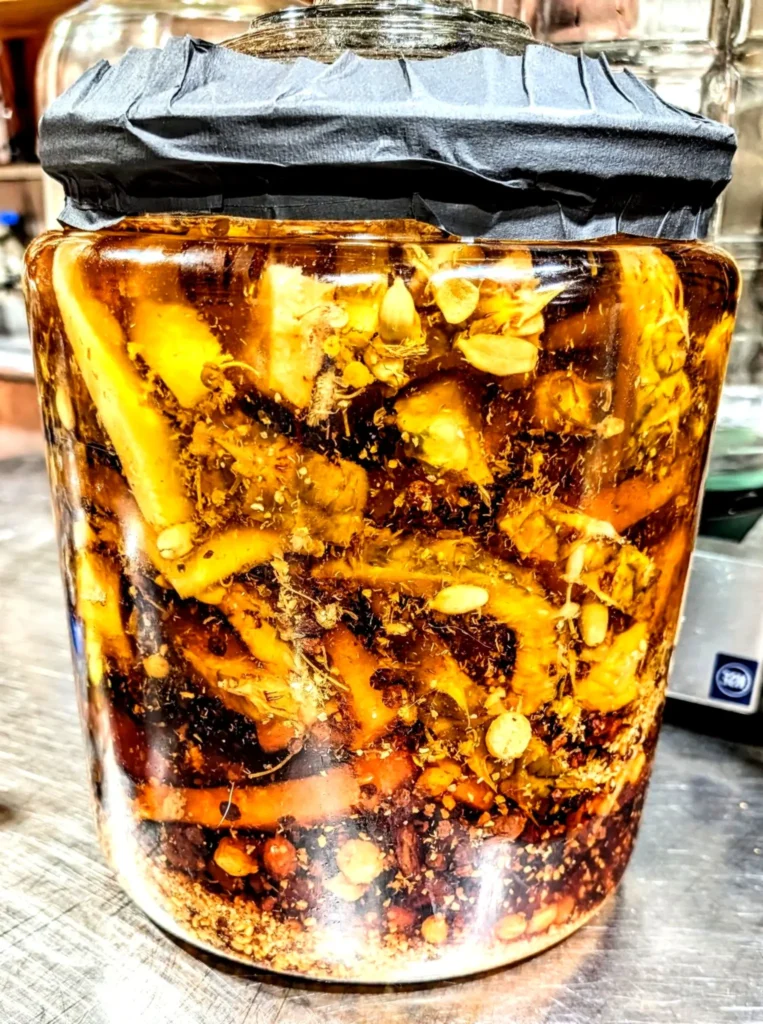
Lightly fermented and often compared to kombucha, tepache typically contains only a small amount of alcohol, and its origins date back to pre-Columbian times ↗️.
It’s made from pineapple peels and rind, sweetened with piloncillo or brown sugar, and often infused with warming spices like cinnamon and clove.
Because it ferments quickly, every batch tastes slightly different — sometimes bright and pineapple-forward, other times more tangy, sour, and funky.
🌴 Final Sip: Cheers to Mexico’s Drink Culture
Whether you’re sipping tequila, ordering a paloma at sunset, or cooling off with agua de jamaica between beach walks, Mexican drinks are one of the most delicious ways to connect with the country’s flavors and traditions. In Sayulita, you’ll find these drinks everywhere — from beachside restaurant-bars to market stands and breakfast cafés. Try a few, learn their stories, and don’t be surprised if your “favorite drink” changes daily. Salud!
🍹 Explore More Food & Drink Guides
We hope this list of beloved Mexican drinks brings extra depth and local character to your stay. Whether you’re visiting for a weekend escape or settling in longer, you’ll spot these classics across town.
To continue exploring authentic Mexican cuisine and the Sayulita food scene, browse our related guides:

🔎 Amari Has Answers for Every Sayulita Question
If you’re planning your trip and would like to learn more about Sayulita’s food, culture, activities, and local tips, we invite you to explore these helpful resources:
- Look at our Travel Guide — A thoughtfully curated collection of insider recommendations covering local traditions, wildlife, beaches, restaurants, wellness, and unforgettable coastal experiences.
- Browse Sayulita Travel FAQs — An interactive, searchable library with more than 140 in-depth answers to the questions travelers ask most.
- Prefer personalized recommendations? Visit our Contact Page — our team is always happy to share tailored advice on restaurants, activities, transportation, seasonal events, and everything else you need to make the most of your stay.
🏨 Searching for a Leading Hotel in Sayulita? Step Into Amari’s Design-Led Sanctuary
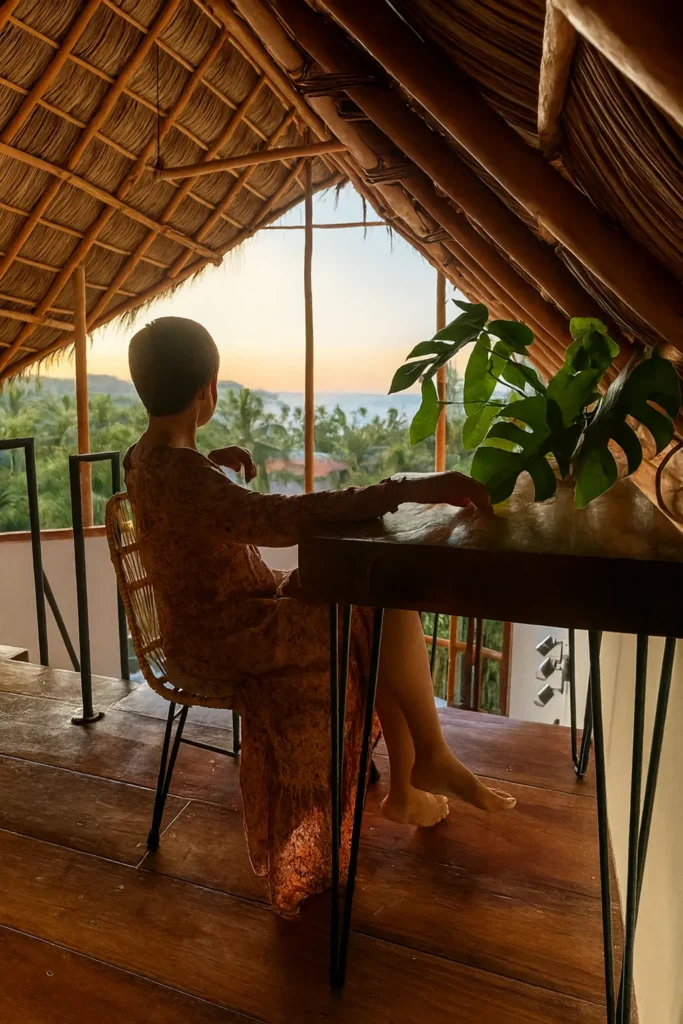
Amari Boutique Hotel welcomes guests to a peaceful, beautifully crafted retreat on Sayulita’s North Side, where a quieter setting is paired with easy access to the beach, downtown, and the town’s vibrant dining scene.
Natural textures, artisan-made details, and a soothing coastal palette come together to create an atmosphere defined by intention, comfort, and understated luxury. Learn more about Amari and discover the philosophy behind the thoughtful design, personalized hospitality, and wellness-inspired experience that make Amari unique.
Here, you’ll find a tranquil haven away from Sayulita’s busiest streets — ideal for couples, families, solo travelers, digital nomads, and wellness seekers seeking a relaxing stay with the best of Sayulita just a short walk away.
🌸 Mindful Suites & Restorative Wellness Features
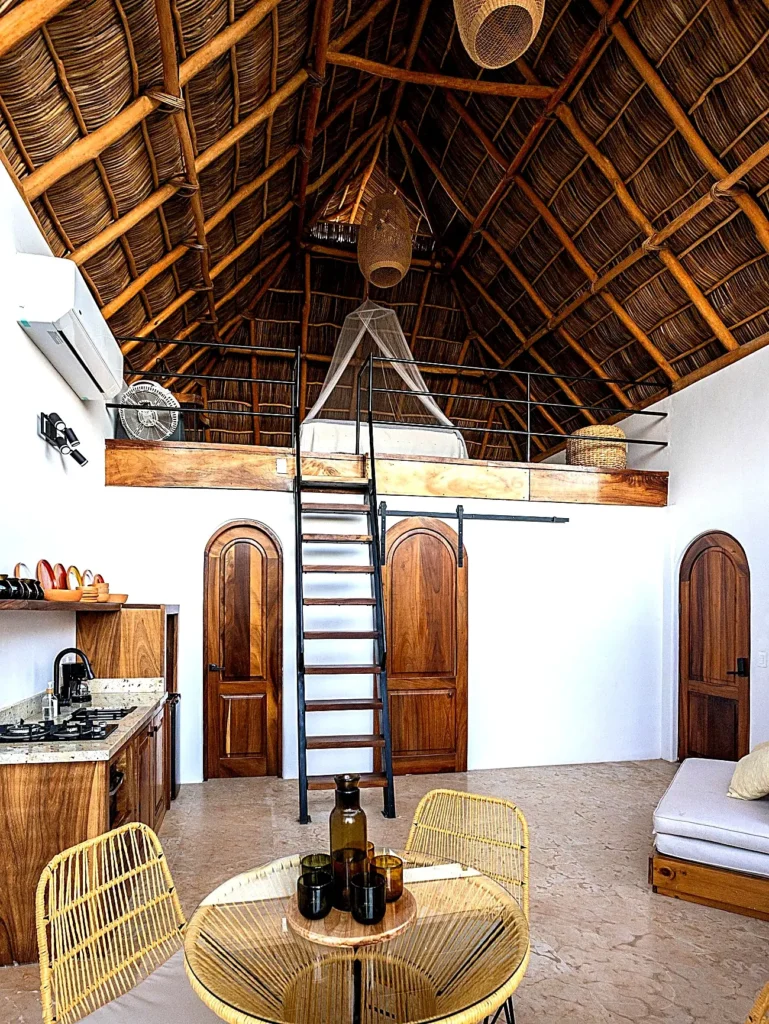
Each Amari suite features handcrafted furnishings, local artistry, and thoughtful details inspired by environmentally conscious design. Natural materials, calming garden or ocean views, and carefully curated interiors create spaces that feel both tranquil and restorative.
After a day exploring Sayulita’s vibrant food scene, return to wellness experiences designed for relaxation and renewal, including:
- A crystal-clear saltwater pool
- A temazcal-inspired sauna
- A refreshing cold plunge
- Peaceful tropical gardens that become especially serene at dusk
Together, these thoughtfully designed spaces invite guests to rebalance, recharge, and reconnect with the slower rhythms of Mexico’s Pacific Coast.
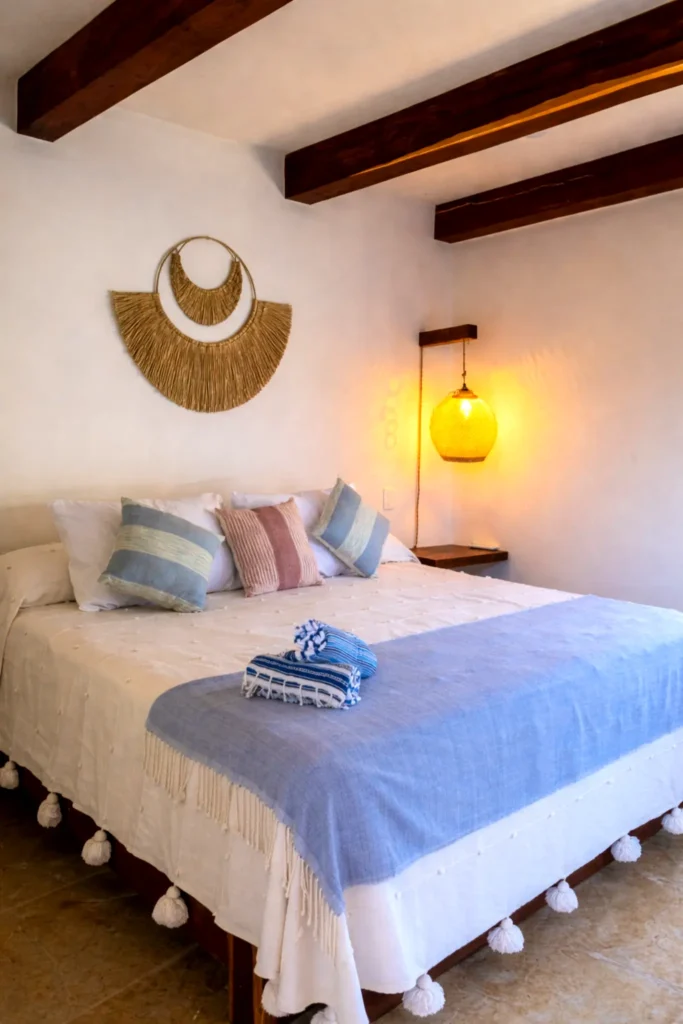
🌿 A Private, Design-Led Sanctuary With Elevated Amenities
Within Amari’s gated retreat, guests enjoy a thoughtfully curated collection of amenities — quiet luxuries designed to elevate comfort without unnecessary distraction. Our Amenities Collection includes:
- A $20,000 USD investment in high-speed fiber and Starlink Wi-Fi, providing some of the fastest and most reliable internet in Sayulita.
- Pure, mineral-rich water sourced from our private 450-foot well
- Lush tropical gardens complemented by soothing waterfall soundscapes
Together, these thoughtful touches create a peaceful balance of modern convenience and boutique luxury, making Amari a favorite for travelers seeking refined comfort just beyond the town’s busiest center.
To experience the property before you arrive, browse our Photo Gallery, where you’ll find a closer look at our suites, wellness spaces, tropical gardens, and the tranquil atmosphere that defines an Amari stay. Then, explore our beautifully appointed suites to find the perfect accommodation for your visit.
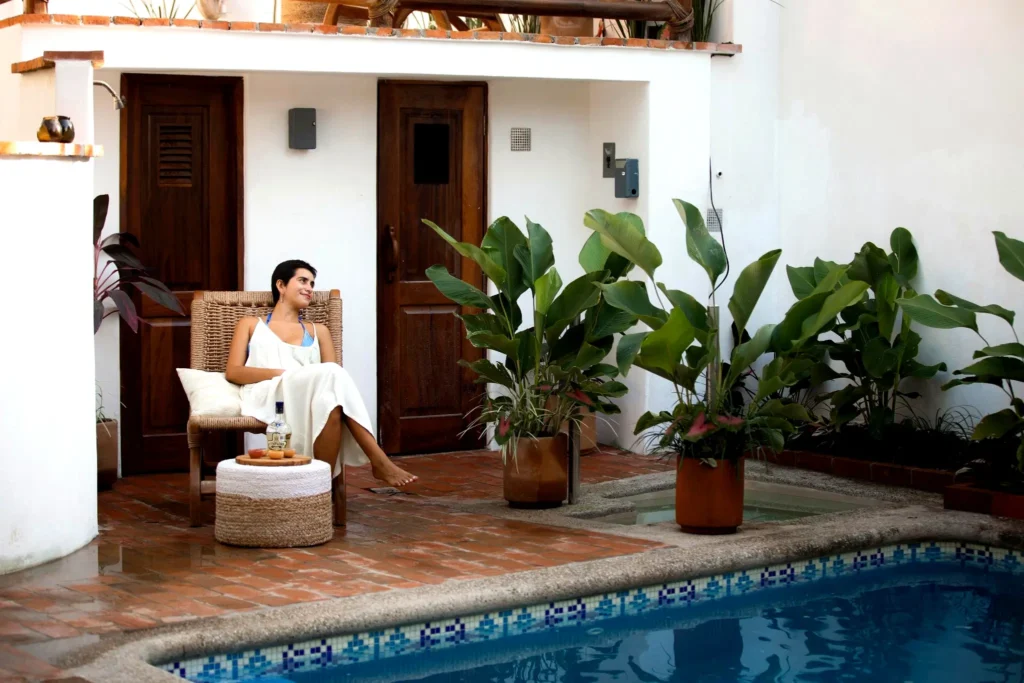
🗣️ Guest Highlights About Amari
“I loved my time at Amari Sayulita. Location is ideal, rooms are lovely, Wi-Fi is super-fast, the pool, ice plunge, and tropical gardens are so relaxing. Will definitely stay here again!” — Rob, 2026
“Will definitely be visiting again soon. My friends and I said it was one of the best trips we’ve taken. I rate this hotel ⭐️⭐️⭐️⭐️⭐️. “ — Brittney, 2026
“My stay at Amari was outstanding. This boutique hotel sits in the best part of town. Our room was extremely comfortable, fully appointed with thoughtful amenities, and the care put into every detail.” — Marc, 2026
👉 From cocktails to cozy nights — view our suites and book your stay at Amari.
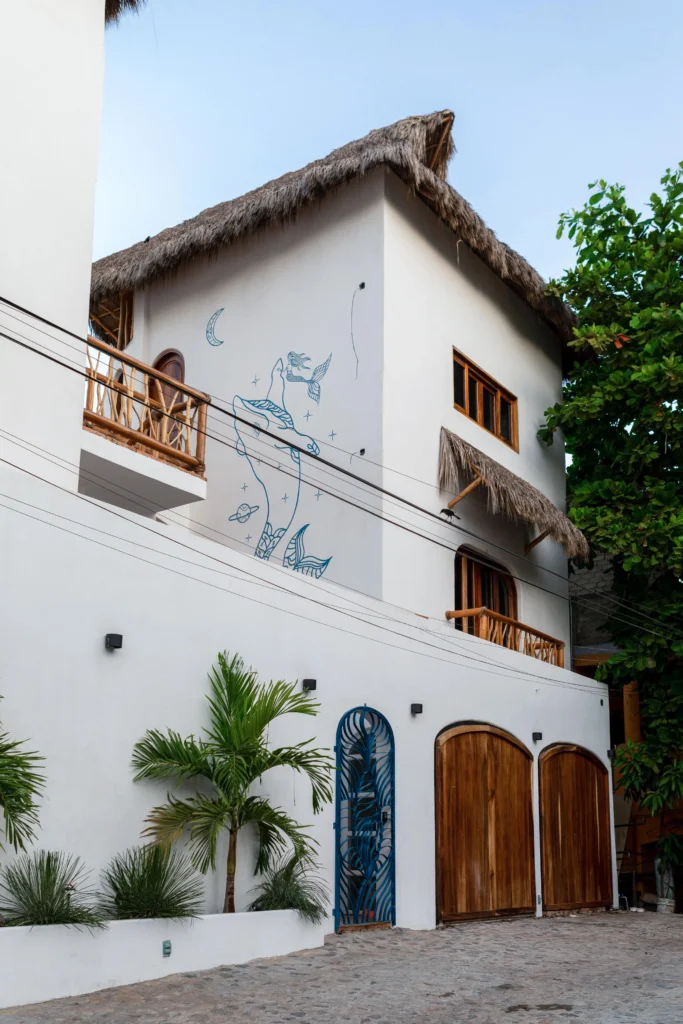
For a full overview of beaches, culture, food, weather, and logistics, explore our Plan Your Trip to Sayulita Guide.