
Traditional Mexican Dishes to Try in Sayulita: 29 Classics You’ll Love
Welcome to Sayulita — a colorful coastal destination where time-honored Mexican cooking is shaped by history, heart, and artisanal technique. From streetside grills to family kitchens and inventive modern bistros, this town offers a vivid window into Mexico’s rich culinary heritage.
Mexico’s cuisine is internationally recognized as part of UNESCO’s Intangible Cultural Heritage, celebrated for its ingredients, ancestral methods, and community traditions. Here in town, those practices flourish daily — whether in slow-stewed pozole, hand-pressed tortillas, bright ceviche, layered moles, or late-night churros.
Below is your guide to 29 classic dishes of the region — a curated collection that reflects the town’s culinary identity and points you toward memorable places to experience these cherished traditions. Many of these dishes appear throughout town, including at restaurants highlighted in Our Favorite Places to Eat and Drink , Best Breakfast Cafés, Best Coffee Spots, Best Beach Restaurant–Bars, and Best Seafood Restaurants.
New to Sayulita? Visit our Plan Your Trip to Sayulita Guide.
📑 Explore These Entrées at Your Own Pace
🍽️ Traditional Mexican Dishes in This Guide: 🌮 Tacos · 🔥Taco al Pastor · 🍖 Carnitas Tacos · 🐟 Tacos de Pescado · 🥩Barbacoa Tacos · 🌶️ Birria Tacos · 🌭 Chorizo Tacos · 🌯 Burritos ·
🌯 Enchiladas · 🥟 Gorditas · 🍲 Pozole · 🥚 Huevos Rancheros · 🍳 Chilaquiles · 🍤 Aguachile · 🫔 Tamales · 🥪 Tortas ·
🫓 Tlayudas · 🥬 Sopes · 🌽 Elote · 🥙 Tostadas · 🥑 Guacamole · 🌶️ Chiles Rellenos · 🥘 Mole & Mole Poblano · 🥪 Pambazos · 🧀 Quesadillas · 🍛 Ceviche · 🍞 Conchas · 🍨 Arroz con Leche · 🍮 Churros · 🧇 Marquesitas
Explore More: 🍽️ Food & Drink Guides · 🔎 Travel FAQs ·
🏨 Where to Stay ·🗣️ Guest Highlights

🌮 Tacos — Mexico’s Most Iconic Bite
Tacos date back to pre-Hispanic times, when Indigenous communities filled warm corn tortillas with fish, vegetables, and wild game.
The word “taco” is believed to originate from 18th-century silver miners, who used the term for paper wrapped around gunpowder placed into rock crevices↗️
Today, tacos are a national staple — simple, comforting, and endlessly adaptable. Throughout town, you’ll find them at beach stands, family-run eateries, and inventive modern kitchens.
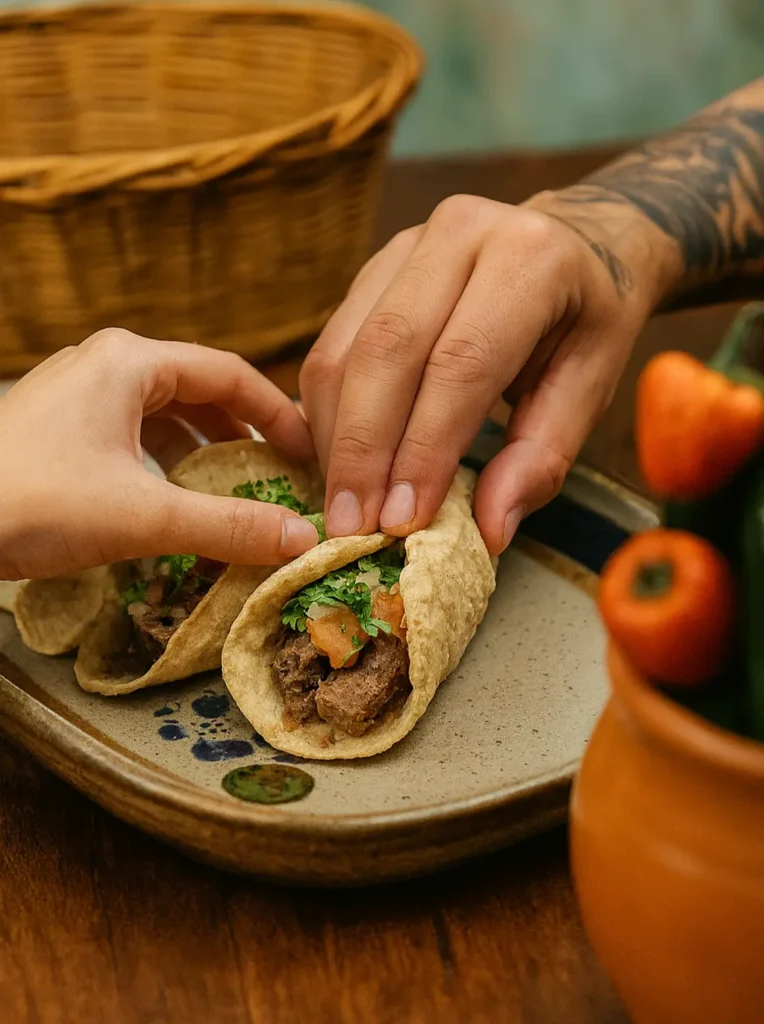
🔥 Taco al pastor

Tacos al pastor blend Lebanese culinary influence with local creativity. Immigrants introduced the vertical spit in the early 1900s, and cooks adapted it with pork marinated in chilies, spices, and achiote.
Over time, Mexico City taquerías added grilled pineapple — a sweet counterpoint inspired by shawarma — creating the version now loved nationwide.
The meat is stacked on a tall spit, slow-roasted, and shaved into thin slices before being paired with onion, cilantro, and that signature touch of caramelized pineapple.
🍖 Carnitas Tacos
Carnitas originate from Michoacán, where pork is slowly simmered in its own fat until tender, then finished over higher heat to develop crisp, caramelized edges.
Traditionally, the meat was cooked in large copper cauldrons prized for even heat and their ability to shape texture.
Served on warm tortillas with onion, cilantro, and lime, carnitas tacos offer deep comfort and a satisfying contrast of soft and crisp.
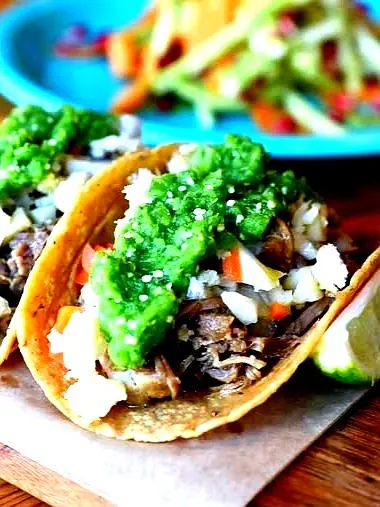
🐟 Tacos de pescado

Fish tacos are a natural favorite along this stretch of the Pacific. Restaurants serve them grilled or lightly battered, pairing the day’s catch with cabbage, pico de gallo, citrusy salsas, or chipotle crema.
Although Baja California popularized the modern form, coastal communities in Nayarit have prepared their own versions for generations, often using recipes passed down through fishing families.
Light, bright, and refreshing, they’re an ideal choice after a swim or surf session.
🥩 Barbacoa Tacos
Barbacoa traces back to Indigenous cooking traditions, where meat was wrapped in maguey leaves and slow-steamed in underground pits.
Though modern kitchens often rely on ovens or stockpots, the essence remains the same — patient cooking that yields tender meat and deep, earthy aromas.
Commonly made with beef, lamb, or goat, barbacoa is especially popular on weekends and is served in warm tortillas with simple garnishes that let the meat shine.
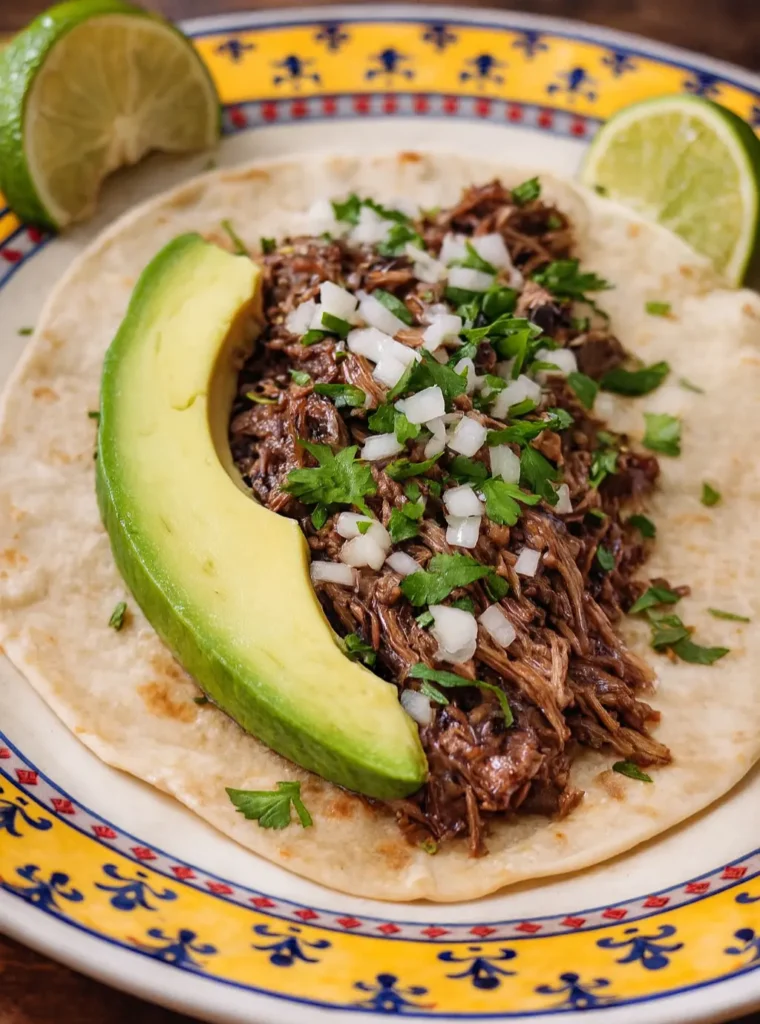
🌶️ Birria Tacos
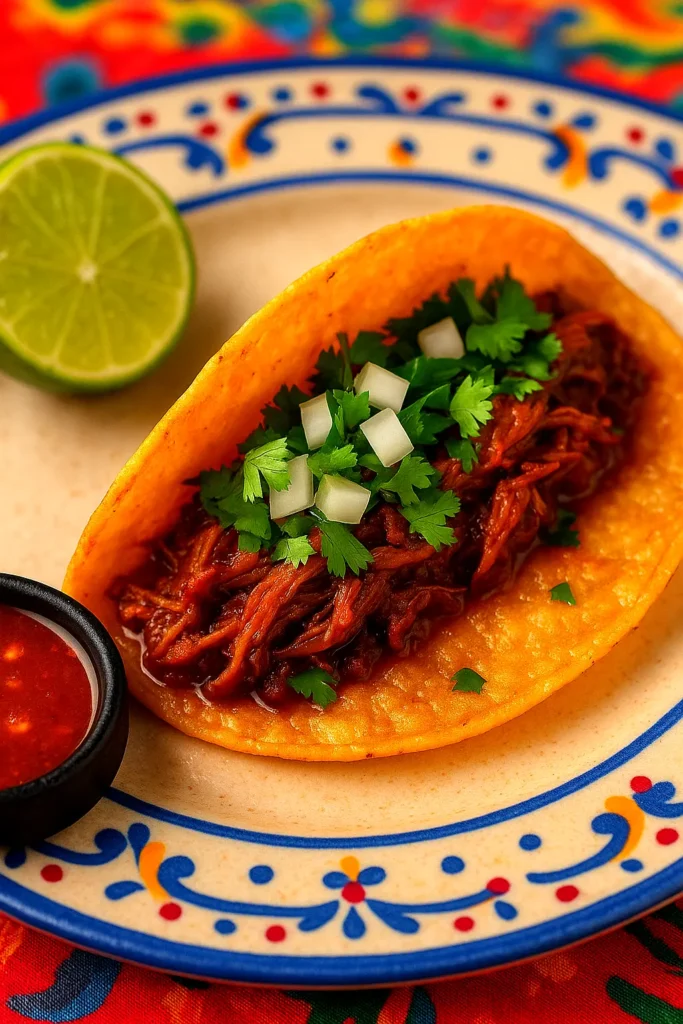
Birria originated in Jalisco as a celebratory stew made with goat, lamb, or beef simmered in a broth of chilies, tomatoes, and warming spices.
For tacos, tortillas are dipped in the red broth and griddled until crisp, then filled with tender meat and served with hot consomé for dipping.
Though now famous worldwide, birria remains closely tied to Jalisco’s culinary identity, with families passing down spice blends and preparation styles.
🌭 Chorizo Tacos
Mexican chorizo is a boldly seasoned sausage made with chilies, garlic, and vinegar, cooked until slightly crisp so it releases aromatic oils into the tortilla.
Unlike cured Spanish chorizo, the Mexican version is fresh and cooked loose, allowing for endless regional variations — some smokier, some tangier.
Served with onion, cilantro, and lime, chorizo tacos deliver a lively mix of spice and texture. Popular versions appear at El Itacate and Mary’s Traditional Mexican Cuisine.
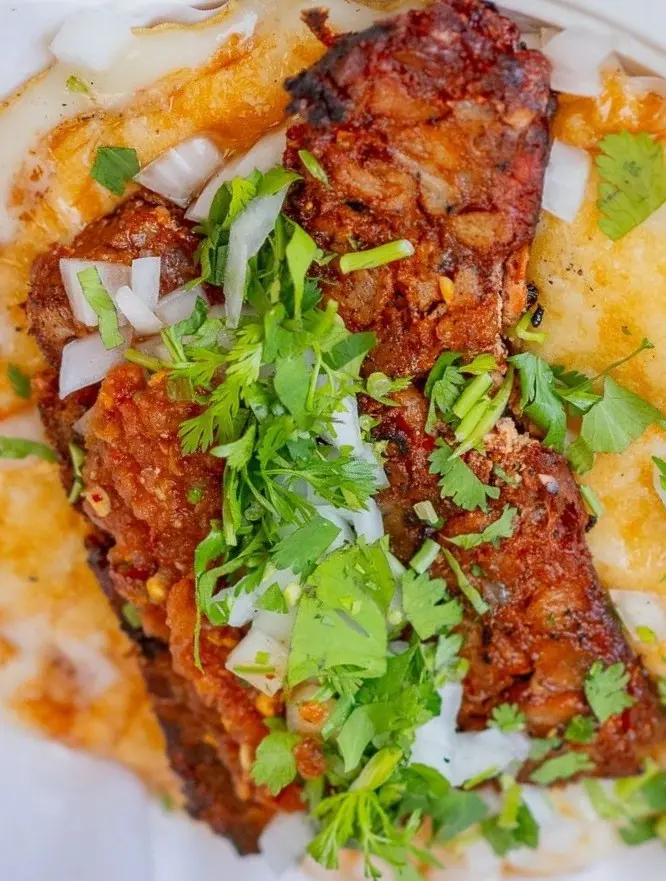
🌯 Burritos
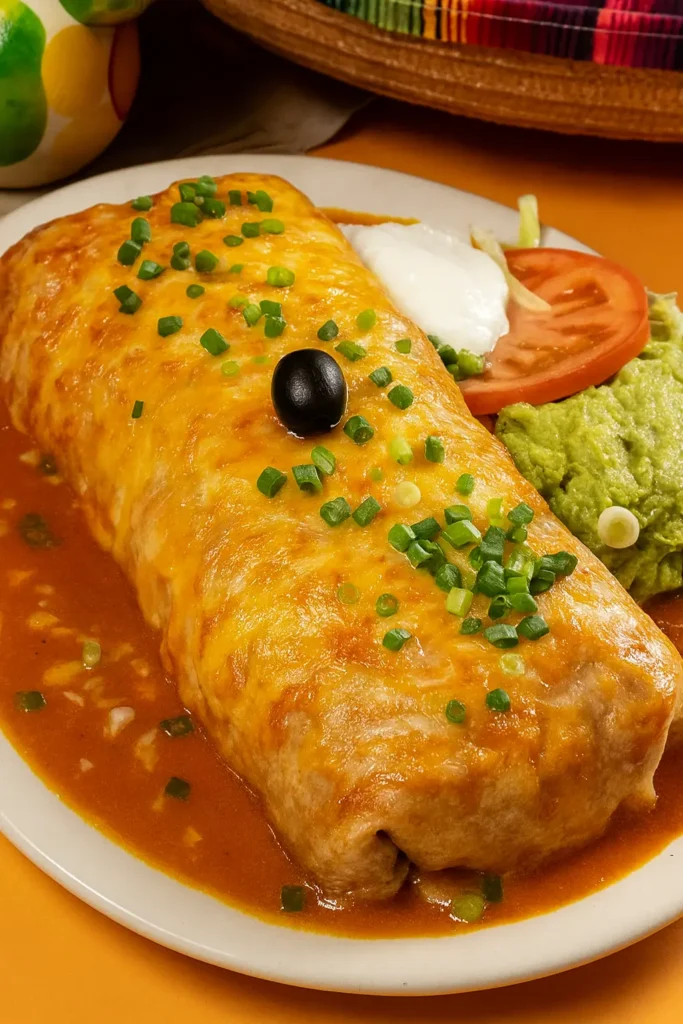
Burritos are flour tortillas wrapped around hearty fillings such as beans, meat, cheese, potatoes, or rice. They trace their origins to northern Mexico, where durable flour tortillas made practical, portable meals for laborers and travelers.
A popular story credits a vendor in early-1900s Ciudad Juárez who sold warm, filled tortillas from the back of his burro (donkey). Customers began calling them “burritos” — “little donkeys” — a playful reference to how the food was delivered ↗️.
Today, burritos remain a comforting regional favorite, and you’ll find satisfying versions at Mary’s Traditional Mexican Cuisine.
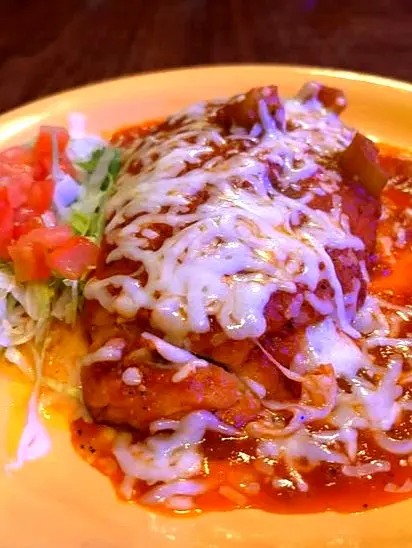
🌯 Enchiladas
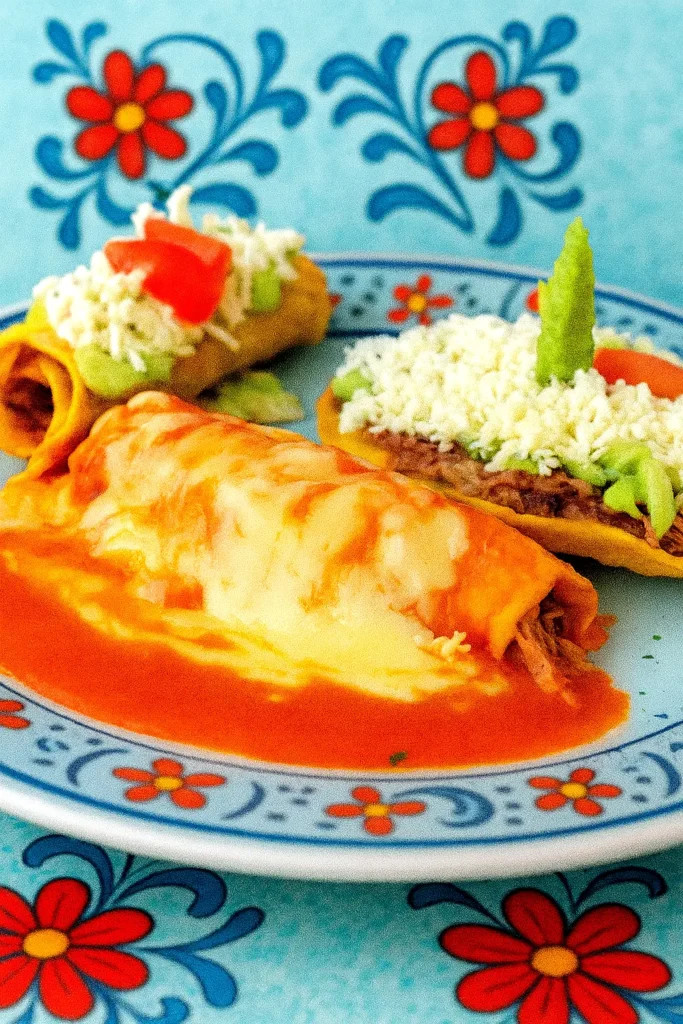
Enchiladas are among the country’s most versatile dishes — corn tortillas wrapped around fillings such as chicken, cheese, potatoes, beans, or vegetables, then coated generously in sauce.
Their lineage extends to the Maya, who dipped tortillas into chili sauces long before the modern enchilada emerged.
Regional variations are plentiful: red chile, green tomatillo, and creamy cheese-based sauces each highlight local ingredients and cooking styles.
Around town, you’ll find hearty, generously sauced versions, including those served at ChocoBanana on the plaza.
🥟 Gorditas
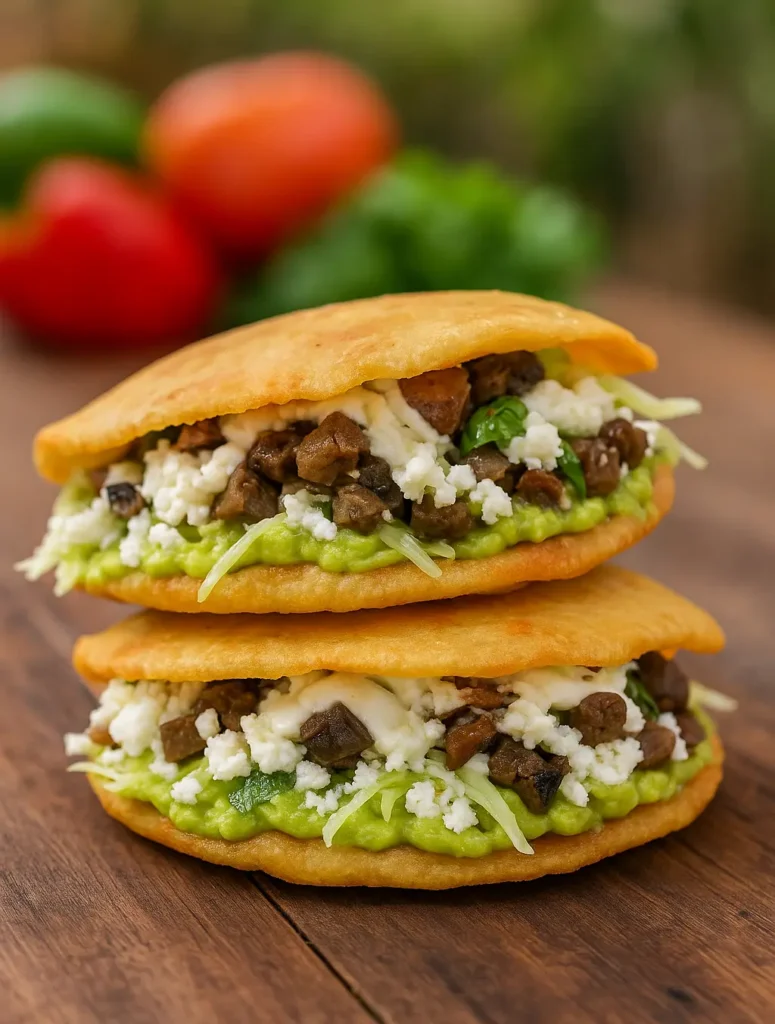
Gorditas (“little chubby ones”) are thick corn masa pockets cooked on a griddle, then slit open and filled with cheese, beans, potatoes, rajas, shredded meats, or chicharrón — resulting in a warm and deeply satisfying bite.
Once a humble street staple, gorditas remain a comforting everyday food throughout Mexico. In town, they appear at stands and casual eateries where fillings shift daily based on what’s fresh.
In some regions, cooks also fill gorditas with stews or guisados, transforming them into complete, hearty meals that showcase home-cooking creativity.
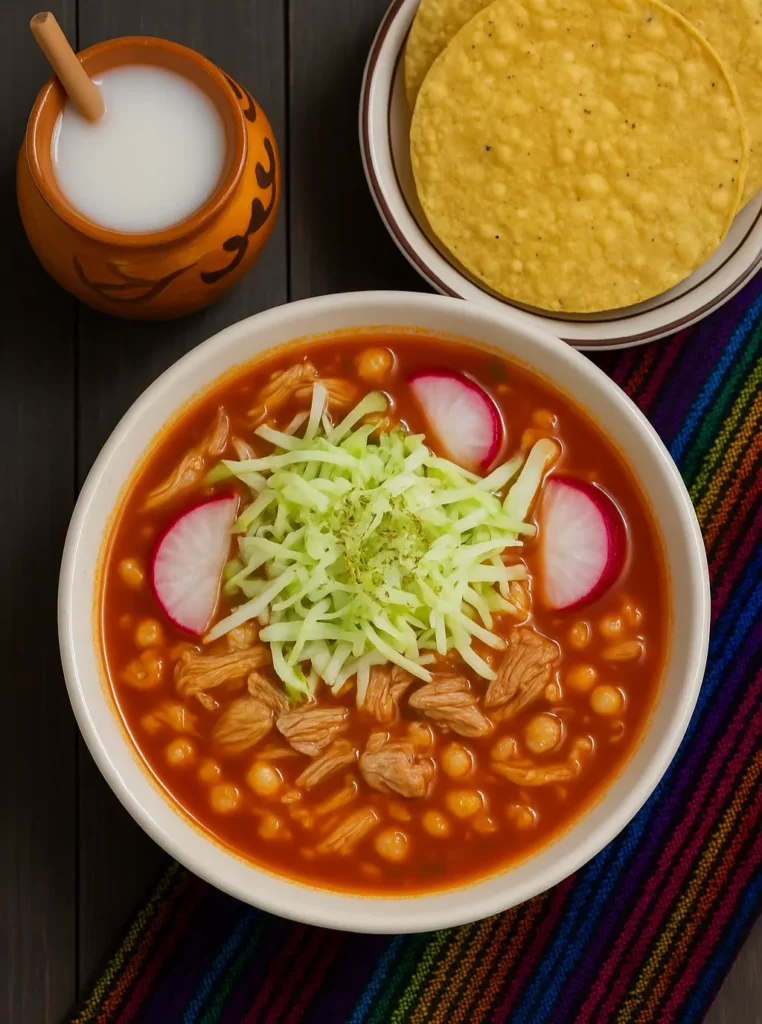
🍲 Pozole
Pozole is a celebratory stew made with hominy (nixtamalized corn) and slow-cooked pork or chicken, finished with toppings such as lettuce, radish, onion, avocado, dried oregano, lime, and crisp tostadas on the side.
Its origins extend to the Aztec world, where pozole carried ceremonial meaning and appeared in early chronicles before evolving under Spanish influence.
Today, pozole is a staple at family gatherings, festivals, and weekend meals — appreciated for its hearty broth and communal spirit. Kahlo Restaurante & Bar prepares a well-loved version.
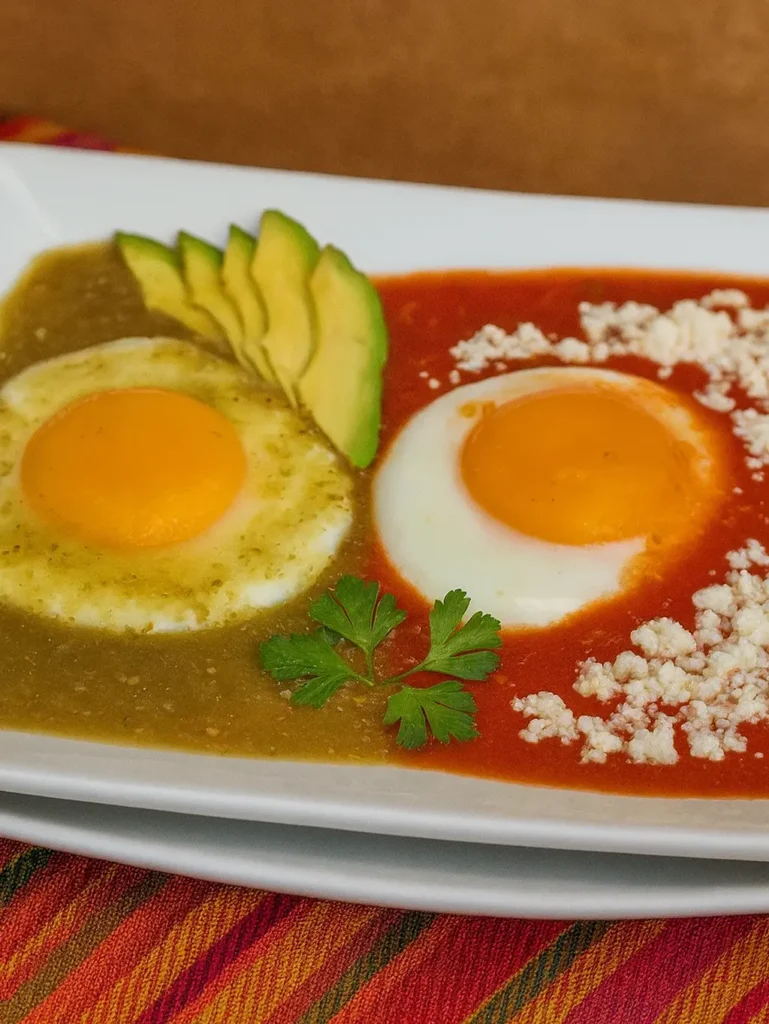
🥚 Huevos rancheros
Huevos rancheros is a simple yet deeply comforting breakfast originating from rural Mexico. Fried eggs are served over a warm tortilla and covered in a rustic salsa of tomatoes, onions, and chiles, often accompanied by beans, rice, queso fresco, and sometimes guacamole.
Traditionally, it was served as a second breakfast to ranch workers — hearty, sustaining fuel before returning to the fields↗️ .
YAH-YAH serves a well-prepared version that stays true to its rustic origins.
🍳 Chilaquiles

Chilaquiles are a beloved breakfast dish made by simmering crisp tortilla chips in red or green salsa until lightly softened, then topping them with crema, cheese, onion, and sometimes shredded chicken or fried eggs.
Their origins lie in practical home cooking — a way to transform day-old tortillas into a hearty, comforting morning meal. Regional variations include versions thickened with molli, enriched with beans, or finished with spicy chiltepín.
Around town, chilaquiles appear in cafés and family kitchens, offering an energizing start to the day with just the right blend of texture and warmth.
🍤 Aguachile
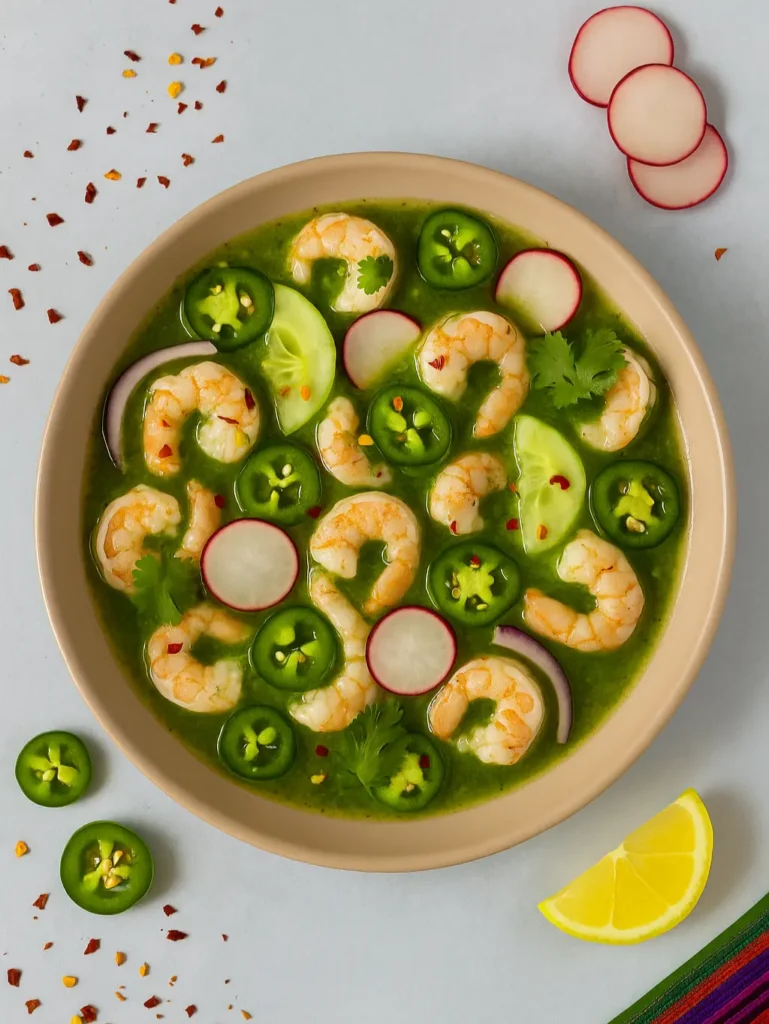
Aguachile is a vibrant dish from Sinaloa and one of Mexico’s most refreshing seafood preparations.
Raw shrimp are sliced and marinated in fresh lime juice, then combined with red onion, cucumber, and chile piquín or serrano to create a bright, spicy, citrus-forward dish ideal in coastal heat.
Traditionally, aguachile was prepared with chiltepín — a tiny, fiery wild pepper crushed just before serving — which gave early versions their sharp intensity.
Today, its simplicity and freshness make it a staple in beach towns. Many local kitchens prepare excellent aguachile, especially at El Jakal and Maika Sayulita Seafood.
🫔 Tamales
Tamales are one of Mexico’s oldest dishes, prepared since ancient times by steaming masa inside corn husks or maguey leaves. Fillings vary widely and can include pork, chicken, vegetables, cheese, beans, chilies, or sweet ingredients.
Because they travel well and can be made in large batches, tamales have long been associated with celebrations, markets, and family gatherings. Their flavor depends on the masa, the filling, and the broth used to season the mixture before steaming.
You’ll find tamales offered around town, especially in the mornings or during holidays, with versions ranging from savory red and green styles to lightly sweet options. Look for them at stands near the plaza or at local cafés.

🥪 Tortas
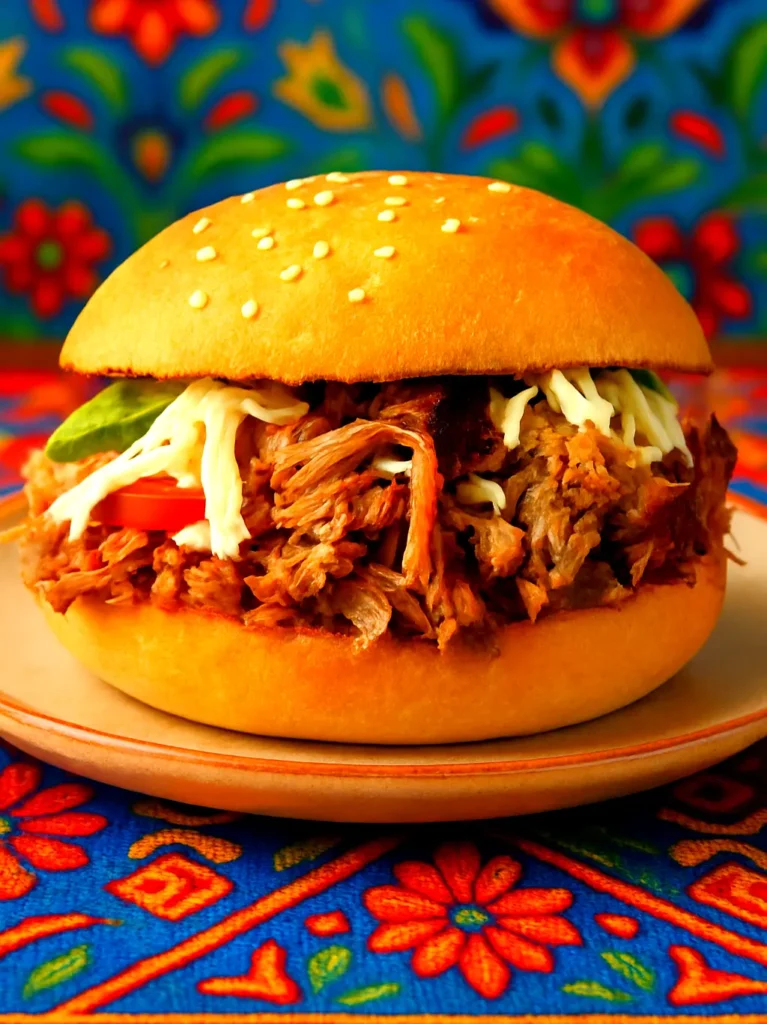
Tortas are hearty Mexican sandwiches made with either a bolillo — a crusty, baguette-like roll — or a telera, which is softer and rounder.
Fillings range from pork, chicken, ham, and refried beans to avocado, jalapeños, tomatoes, lettuce, onions, and lime-spiked mayonnaise. Each torta balances texture, freshness, and satisfying richness in a way that has made it a beloved everyday meal across Mexico.
Their origins trace to the French occupation of Mexico in the 1860s, when local bakers adapted European bread styles into what became the modern torta↗️ .
La Chilaqueria prepares a well-made torta that remains especially delicious.
🫓 Tlayudas
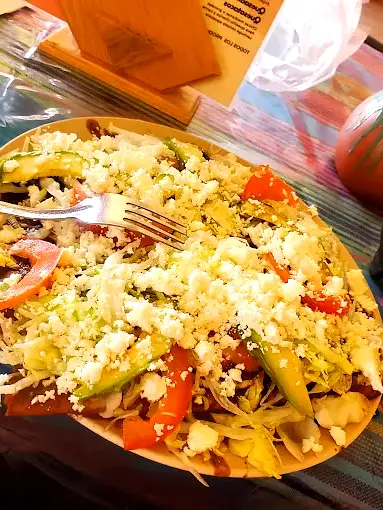
Tlayudas are a hallmark of Oaxacan cuisine, made from large, thin, crisp tortillas topped with a spread of beans, fresh or semi-soft cheese, lettuce, avocado, salsa, and meats such as cecina, tasajo, or chorizo.
Traditionally, tlayudas are cooked on a comal until the tortilla becomes lightly crisp while still flexible enough to fold. The combination of texture — crunchy exterior with warm, melty fillings — is what makes this dish especially satisfying.
Although tlayudas originate in Oaxaca, they appear in select restaurants throughout Mexico, offering travelers a chance to enjoy one of the country’s most distinctive regional specialties.
🥬 Sopes
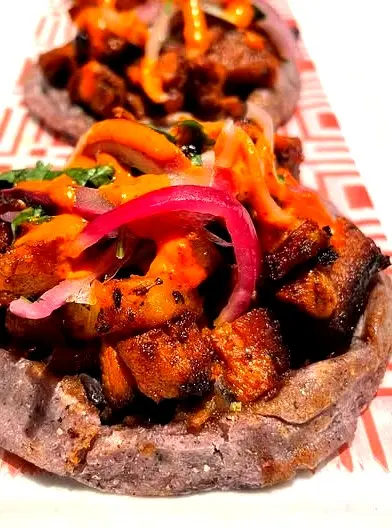
Sopes are thick, hand-formed masa rounds with raised edges designed to cradle beans, cheese, salsa, and a choice of meats or vegetables. Lightly fried to achieve a crisp exterior and tender center, sopes highlight Mexico’s long tradition of masa-based cooking.
Their origins trace back to central Mexico, where early versions were cooked on clay griddles and topped with simple, earthy ingredients.
Over time, regional variations emerged—some adding chorizo, others crema or pickled vegetables—making sopes a versatile and comforting street food enjoyed throughout the country.
🌽 Elote
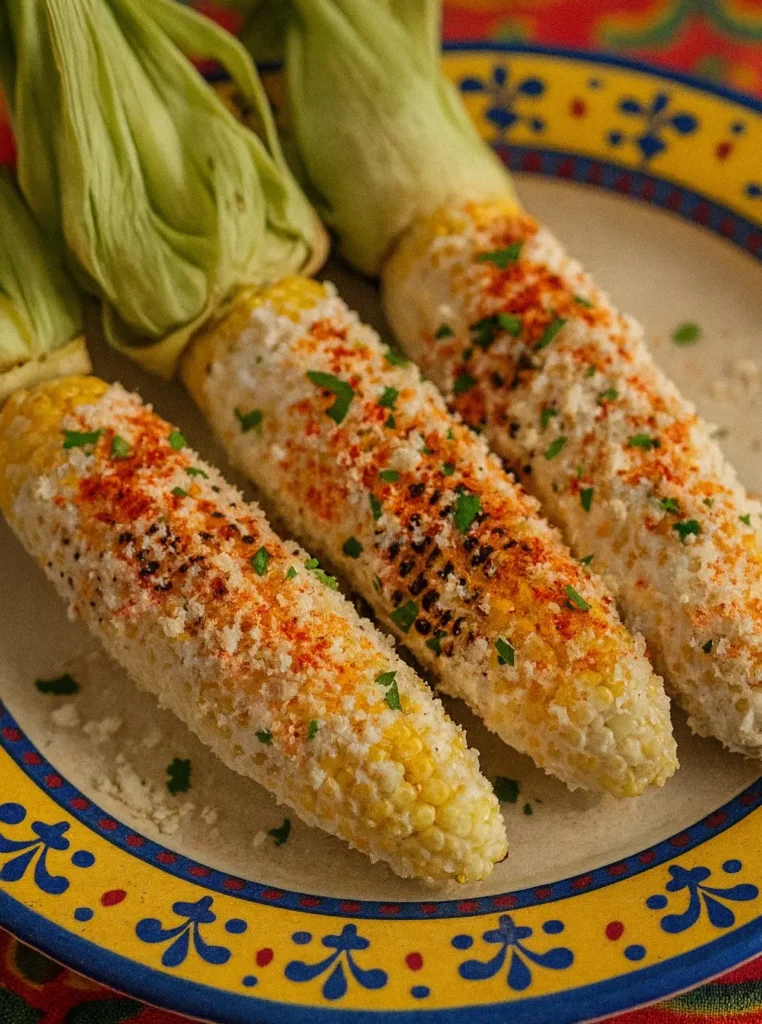
Elote, or Mexican street corn, is grilled until lightly charred, then slathered with a creamy mixture of mayo or crema, cotija cheese, chili powder, and lime. Messy, bold, and unforgettable, it’s one of Mexico’s most beloved street snacks.
Traditionally sold around plazas and neighborhood corners, elote has long been tied to community gatherings and evening strolls — a comforting staple across generations.
Families debate the “right” topping ratios, turning elote into a small but cherished point of local pride. Street vendors often sell it in the evenings much like hot dog stands in U.S. cities.
🥙 Tostadas
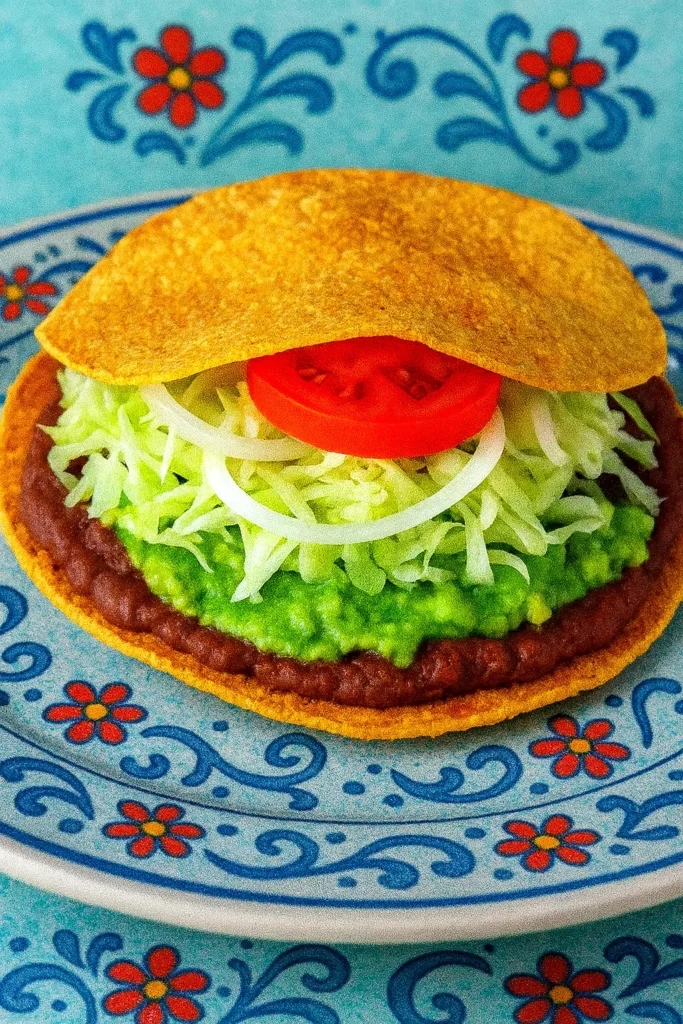
Tostadas highlight the beauty of simple ingredients layered over a crisp fried or toasted corn tortilla. Common toppings include refried beans, shredded chicken or beef, lettuce, cheese, avocado, and salsa — creating a satisfying mix of textures.
The dish traces back to Indigenous communities who fried stale or day-old tortillas to prevent waste, transforming them into a new, durable base for toppings.
Over time, tostadas became a versatile favorite throughout Mexico, from street stalls to family kitchens.
El Tiburón prepares especially generous and flavorful versions.
🥑 Guacamole

Guacamole is made from mashed avocado mixed with tomato, onion, cilantro, chili, lime, and salt — a preparation that dates back more than 500 years to the Aztecs. They called it ahuacamolli, combining the Nahuatl words ahucatl (avocado) and molli (sauce)↗️.
Traditionally prepared using a stone molcajete, guacamole was valued not only for its flavor but also for the belief that avocados symbolized strength and vitality.
Today, it remains a universally loved staple, served with chips, tacos, or as a fresh accompaniment to countless dishes.
🌶️ Chiles rellenos
Chiles rellenos are roasted poblano peppers stuffed with Queso Oaxaca or seasoned meat, dipped in a light egg batter, and fried until golden. They are served in a savory tomato sauce that balances richness with gentle acidity.
A widely shared origin story claims that nuns in Puebla created an early version for General Iturbide after he signed the Treaty of Córdoba↗️ .
Over time, regional variations emerged, with some baked instead of fried and others filled with seafood or vegetables, highlighting the dish’s versatility and the creativity of Mexican home cooks.
🥘 Mole & Mole poblano
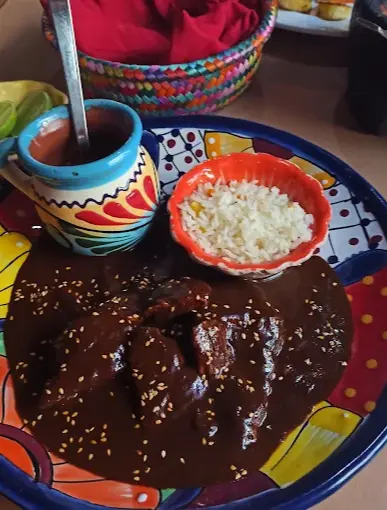
Mole is a complex and deeply layered sauce crafted from a blend of chilies, nuts, seeds, spices, and—most famously in mole poblano—a touch of chocolate. Each region in Mexico has its own interpretation, meaning no two moles taste alike.
In pre-Hispanic times, an early form called mulli was served during ceremonial rituals. Chocolate (xocolatl), highly valued by the Aztecs, was later incorporated into certain versions↗️.
Today, mole remains a culinary centerpiece — rich, aromatic, and celebratory — served over chicken, pork, enchiladas, or vegetables. Xochi offers an especially refined interpretation.
🥪 Pambazos
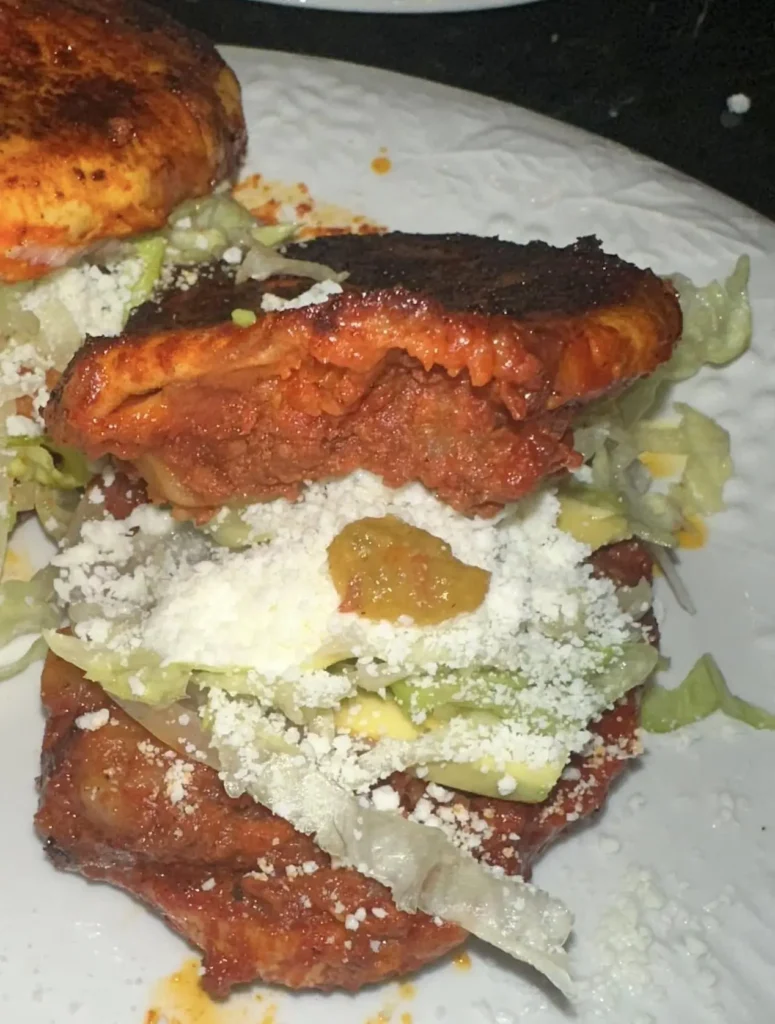
Pambazos are bold, eye-catching sandwiches made by dipping a soft roll in guajillo pepper sauce, then lightly frying it to give the bread its signature red color and subtle crispness.
Filled with potatoes, chorizo, lettuce, crema, cheese, and salsa, pambazos deliver a hearty, delightfully messy flavor experience.
Traditionally associated with central Mexico and festive street celebrations, the dish became popular during the Porfirian era, when vendors sold them during parades and public gatherings.
El Metro Torteria offers a delicious example.
🧀 Quesadillas
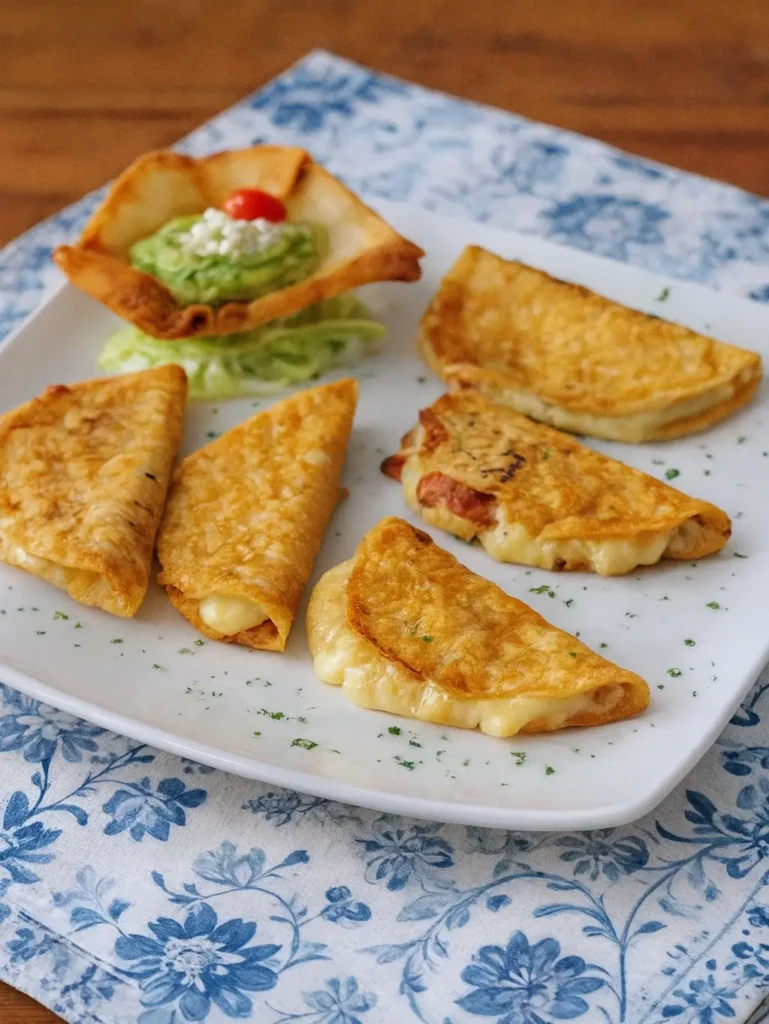
Quesadillas are warm tortillas folded around melted cheese and sometimes mushrooms, squash blossoms, huitlacoche, chorizo, or other fillings.
Cooked on a griddle until golden, they are one of Mexico’s most comforting and nostalgic foods. Regional differences are spirited: in Mexico City, a quesadilla may or may not automatically include cheese—an ongoing cultural debate that has become part of the dish’s identity.
Whether prepared with corn or flour tortillas, quesadillas adapt well to local ingredients. Luna’s serves particularly delicious versions.
🍛 Ceviche
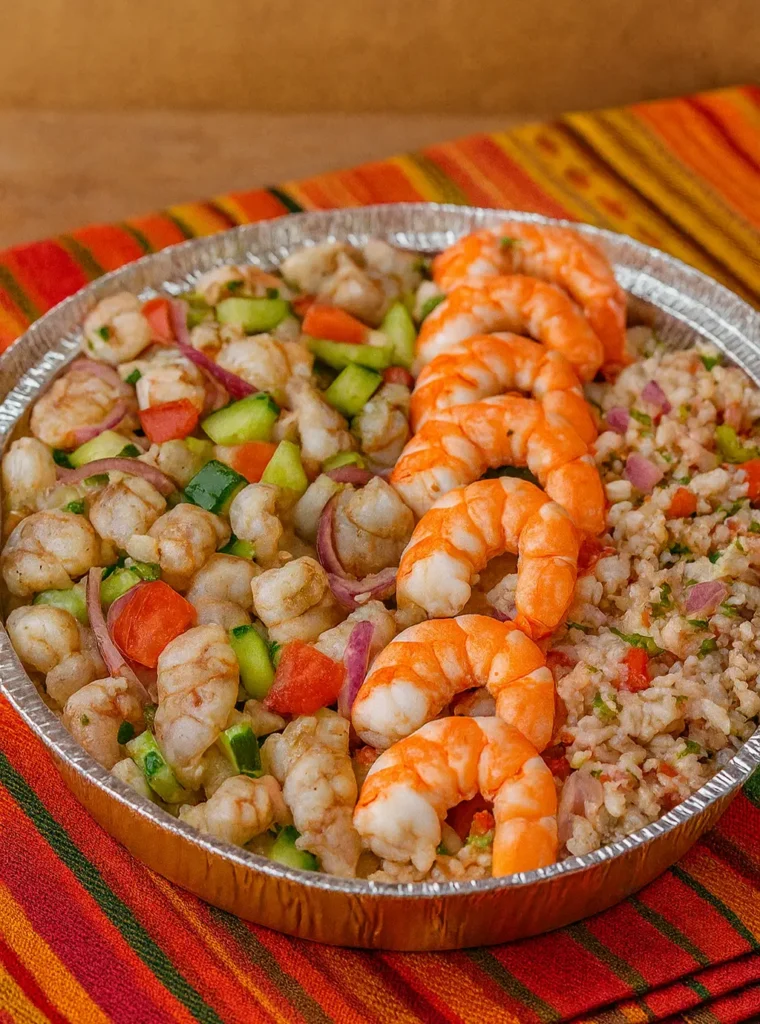
Ceviche is made by marinating raw fish or shrimp in fresh lime juice, which gently “cooks” the seafood while keeping its tender texture. It’s then mixed with tomatoes, onions, cilantro, and chilies, creating a bright and refreshing dish ideal for coastal regions.
Though its origins date to the Peruvian Incas, Mexico developed its own coastal expressions — especially along the Pacific — incorporating regional seafood, serrano chilies, and variations in acidity to suit local tastes.
Chaman Mexican Creative Kitchen prepares especially vibrant plates.
🍞 Conchas

Conchas are soft, airy sweet breads topped with a patterned sugar crust that resembles a seashell — the inspiration for their name.
Their origins reflect French baking influences introduced during Mexico’s Colonial era, later blended with Indigenous ingredients and techniques to create the iconic pan dulce seen in bakeries today.
Bakers often personalize conchas by flavoring the topping with chocolate, vanilla, or strawberry, making each region’s version slightly different. Fresh conchas paired with coffee remain a morning ritual across Mexico.
🍨 Arroz con Leche
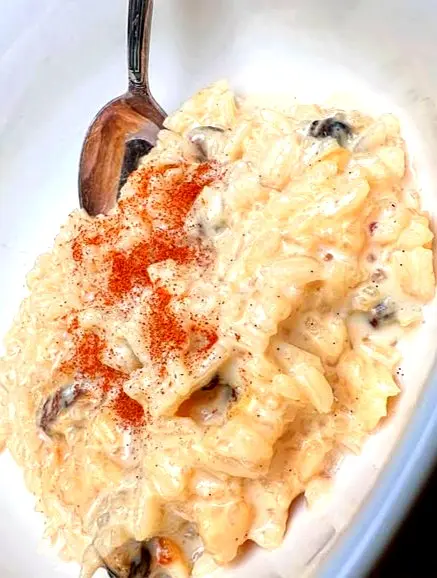
Arroz con leche is a creamy, cinnamon-scented dessert made by simmering rice with milk, sugar, and often raisins.
Served warm or chilled, it’s a nostalgic comfort food many Mexicans associate with home cooking and childhood gatherings.
The dish’s lineage traces back to Moorish Spain↗️, where rice pudding was flavored with spices brought through ancient trade routes before eventually traveling to the Americas. Today, arroz con leche remains a beloved staple across Latin America.
🍮 Churros
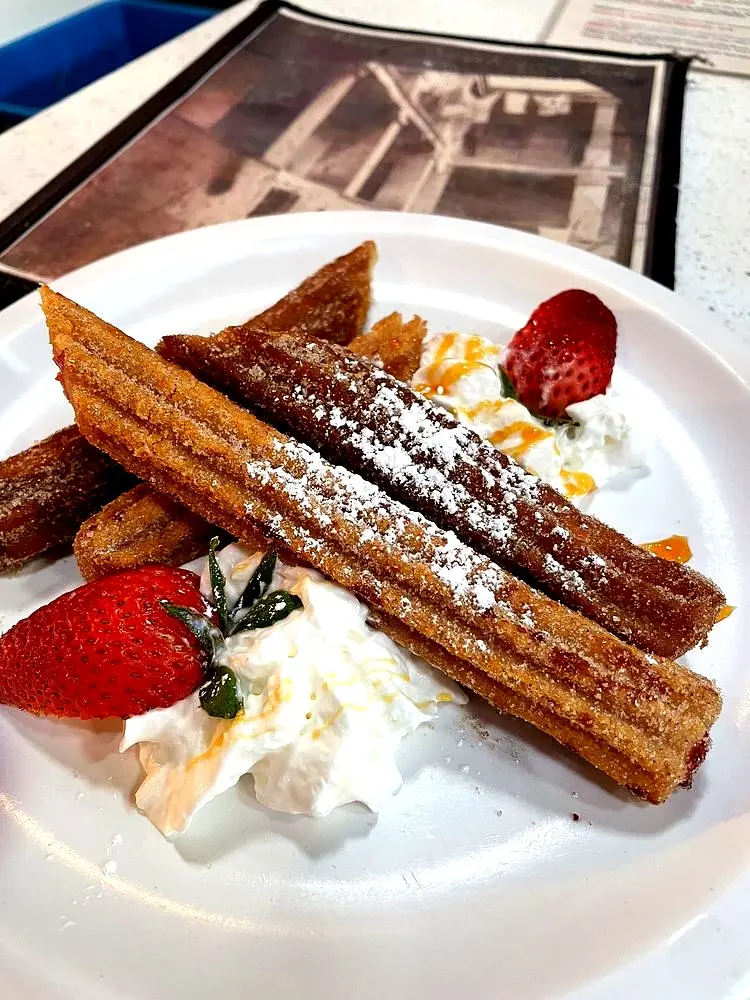
Churros are golden, crisp pastries piped from dough, fried until airy inside, and rolled in sugar. Often enjoyed with chocolate dipping sauce, they’re a nostalgic dessert found throughout Mexico.
Their history includes both Spanish and Chinese culinary influences ↗️.
Street vendors traditionally fry churros to order, creating the irresistible aroma that drifts through plazas in the evenings — one reason they’ve become a cherished comfort food across generations. Sur38 is known for its exceptionally good churros.
🧇 Marquesitas
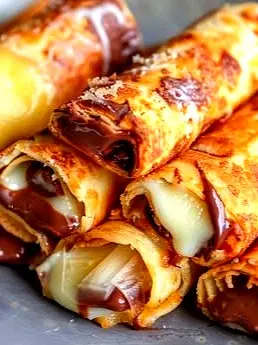
Marquesitas originate from the Yucatán and are made by grilling a lightly sweetened batter until crisp, then rolling it around fillings such as queso de bola (Edam cheese), Nutella, jams, or fruit.
The contrast of warm, crunchy exterior with melty, salty-sweet fillings is what makes them irresistible.
Created in the 1930s by a local ice cream vendor seeking a treat that could be enjoyed during cooler months, marquesitas quickly became a regional favorite. They are a must-try at Marquesitas Las Charruas.
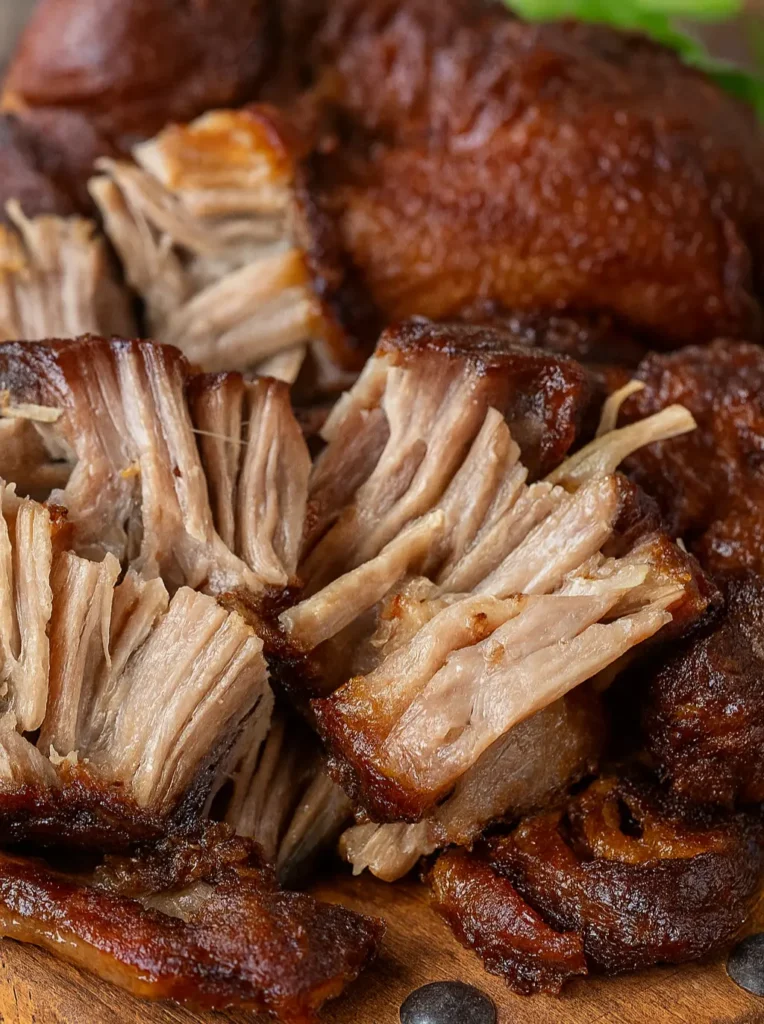
🍖 Carnitas
Carnitas, meaning “little meats,” are often considered one of Mexico’s most indulgent traditional dishes. Pork is slowly simmered in its own rendered fat until it becomes tender enough to fall apart, then cooked a bit longer to develop crisp, caramelized edges and concentrated richness.
One documented origin story suggests that an early version appeared in 1521, when Hernán Cortés celebrated the fall of Tenochtitlan by preparing a festive pork dish using the lard available to him↗️.
Over the centuries, distinct regional techniques emerged — especially in Michoacán — where copper cauldrons and patient, steady heat became hallmarks of authentic carnitas. Today, the dish remains a weekend ritual throughout Mexico, enjoyed for its comforting depth and satisfying texture.
🥩 Barbacoa
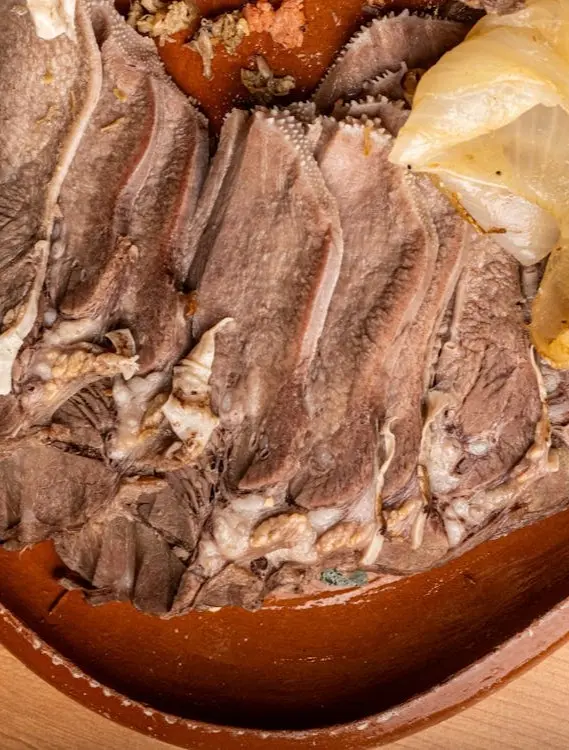
Barbacoa is one of Mexico’s oldest cooking traditions, with roots in Indigenous cultures — including the Maya — who used a pib, or earth oven, to slow-steam meat wrapped in maguey leaves until tender.
When the Spanish introduced sheep and goats, the dish evolved into the barbacoa familiar today, though the slow, aromatic cooking method remained central to its identity.
Seasoned with chilies, herbs, and spices, barbacoa develops a deep, earthy richness and soft, pull-apart texture that has made it a weekend staple across many Mexican states. Latitude 20 Restaurant and Bar serves a well-liked version.
🌶️ Chiles en Nogada
Chiles en Nogada is one of Mexico’s most patriotic dishes, symbolizing the national flag with its green poblano pepper, white walnut cream sauce, and red pomegranate seeds.
The poblano is filled with a sweet-and-savory picadillo of seasoned meat, fruit, and nuts, creating a balanced mix of flavors and textures.
The dish originated in 1821, when Augustinian nuns crafted it to honor General Agustín de Iturbide and the signing of the Treaty of Córdoba↗️ .
Mary’s is a wonderful place to enjoy this seasonal specialty when available.

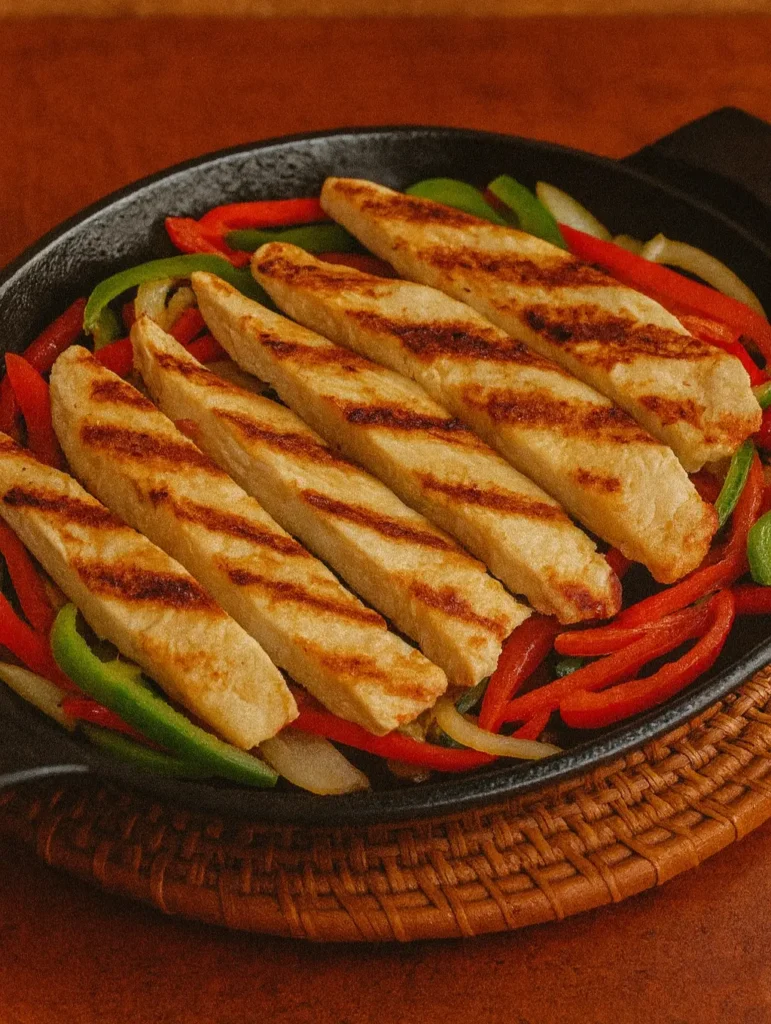
🌶️ Fajitas
Fajitas are often associated with Tex-Mex cuisine, but their roots trace back to Northern Mexico and the ranching traditions of vaqueros.
The name comes from faja, meaning “belt” or “strip,” referring to thethin cut of skirt steak given to ranch hands as part of their pay↗️ .
Over time, cooks marinated and grilled these strips over open flames, creating the sizzling style now recognized worldwide.
Today, fajitas can feature steak, chicken, shrimp, or vegetables, served on a hot skillet with grilled onions and peppers, warm tortillas, salsa, guacamole, and crema.
Xochi prepares an especially flavorful version.
🍹 Explore More Food & Drink Guides
We hope this collection of traditional Mexican dishes brings extra depth and flavor to your visit. Whether you’re here for a quick getaway or a longer stay, you’ll find these favorites everywhere.
To continue discovering authentic Mexican cuisine and the wider Sayulita food scene, explore our related guides:
🔎 Amari Has You Covered for All Your Sayulita Questions
If you’re planning your visit and want more insight into local food, culture, activities, or daily logistics, we invite you to dive into our resources:
- Explore our Travel Guide — a thoughtful resource on local traditions, wildlife, restaurants, wellness, and coastal experiences.
- Browse the Sayulita Travel FAQ — an interactive, searchable library with 140+ questions and detailed answers.
- Need personal guidance? Reach out anytime through our Contact Page — our team is always happy to offer personalized suggestions for restaurants, activities, transportation, and more.
🏨 Searching for an Award-Winning Hotel in Sayulita? Step Into Amari’s Design-Led Sanctuary
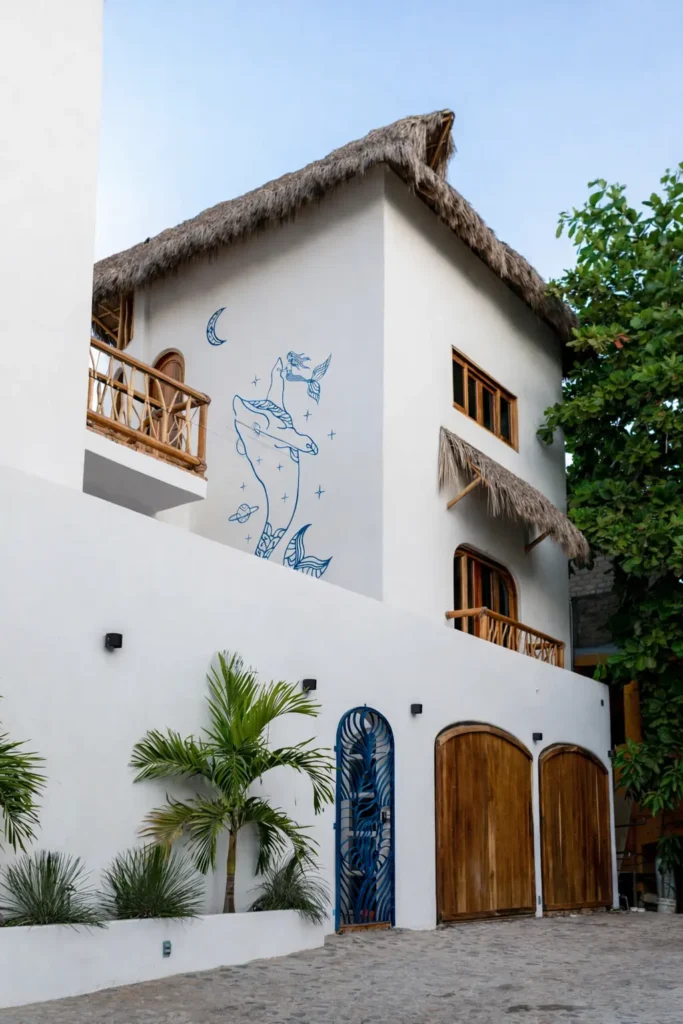
Amari Boutique Hotel welcomes guests to a peaceful, beautifully crafted retreat on the town’s tranquil North Side. Our design blends natural textures, artisan-made details, and a calming coastal palette to create an atmosphere shaped by intention, comfort, and understated luxury.
Step inside and experience a quiet haven away from the busier parts of town — ideal for couples, families, solo travelers, digital nomads, and wellness seekers alike.
🗣️ Guest Highlights About Amari

“My stay at Amari was outstanding. This boutique hotel sits near the beach and restaurants in what I consider the best part of town.” — Marc Russo, 2025
“This is a stunning boutique hotel — a little slice of heaven. A place to relax, reset, and rest.”— Brittney, 2025
“10/10 — Excelente atención y limpieza de la habitación.” — Gerardo, 2025
“I loved my time at Amari. The location is ideal, rooms are lovely.” — Rob Tobler, 2025
These reflections capture what guests appreciate most — serenity, design-forward comfort, and effortless access to Sayulita’s food, culture, and coastline.
👉 Discover why travelers call Amari one of the region’s top boutique hotels. Explore our suites.
🌸 Mindful Suites & Restorative Wellness Features
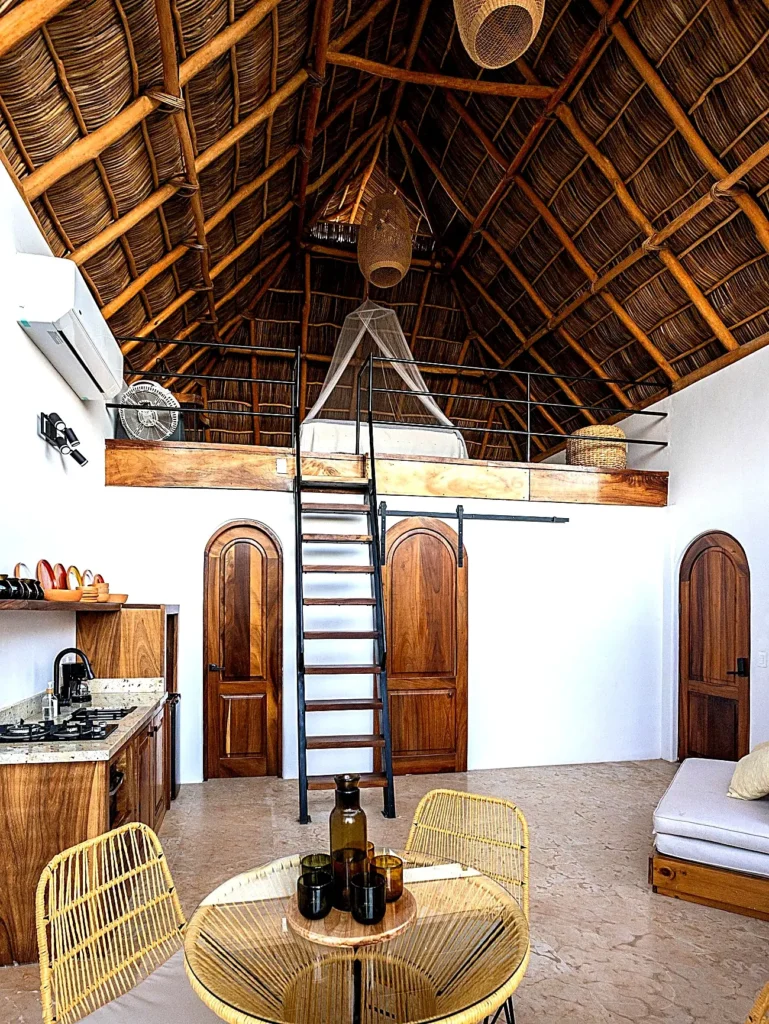
Each Amari suite includes handcrafted furnishings, local artistry, and thoughtful touches inspired by sustainable design principles . Rooms are designed to feel tranquil and restorative, with natural materials, and calming garden or ocean views.
After a day exploring the local food scene, return to soothing wellness comforts including:
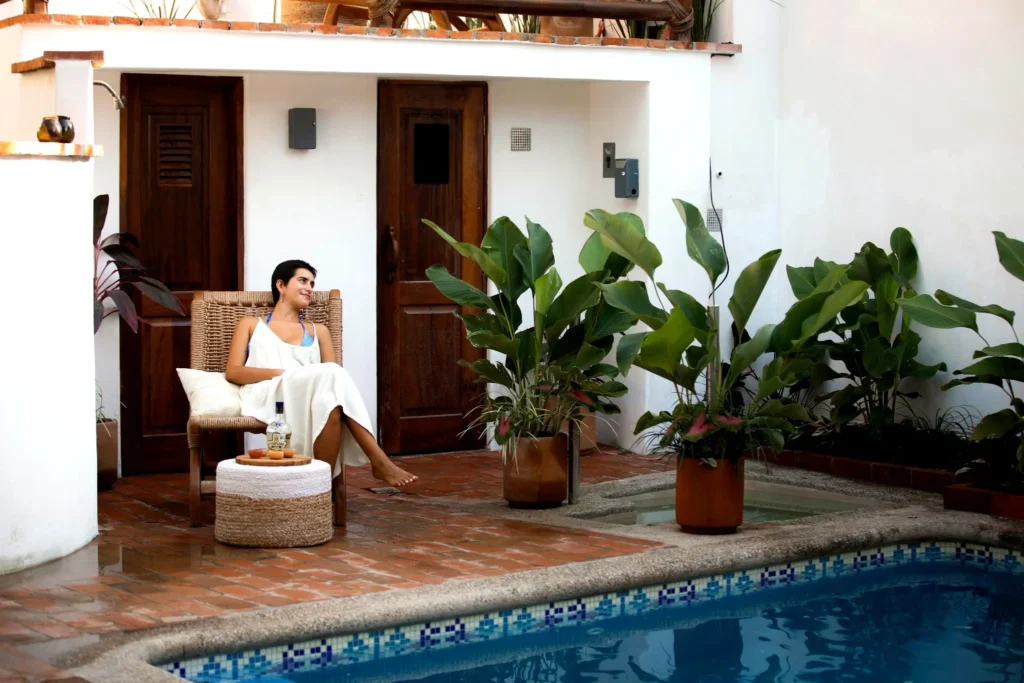
- A crystal-clear saltwater pool
- A temazcal inspired sauna
- A refreshing cold plunge
- Quiet garden areas perfect for unwinding at dusk
These features help guests rebalance, recharge, and reconnect with the slower rhythms of the Pacific Riviera.
🌿 A Private, Design-Led Sanctuary With Elevated Amenities
Within Amari’s gated environment, guests enjoy meaningful essentials — luxuries designed to enhance comfort without distraction. Our Amenities Collection includes:
- Pure, mineral-rich water from our 450-foot private well
- High-speed connectivity via fiber and Starlink Wi-Fi
- Lush gardens with soothing waterfall soundscapes
This blend of thoughtful design and modern convenience has made Amari a favorite choice for travelers seeking refined comfort away from the town’s busy center.
🐚 Taste Sayulita’s traditional cuisine, then unwind at Amari
For a full overview of beaches, culture, food, weather, and logistics, explore our Plan Your Trip to Sayulita Guide.