
Día de los Muertos in Sayulita 2026 | Festivals & Traditions Near Amari Boutique Hotel
📅 Updated: September 2026
Festival dates confirmed for the 2026 season; we’ll refresh the full day-by-day schedule once local organizers publish it in mid-October.
Día de los Muertos in Sayulita takes place October 31 – November 2, 2026, when the town’s streets fill with marigold-lined ofrendas (altars), papel picado, catrina face paint, sand tapestries, and a candlelit comparsa (street parade) from the plaza to the cemetery. It’s one of the most beautiful places in the Riviera Nayarit to experience the holiday. Here’s what happens each day, what to expect, and how to take part respectfully.
Día de los Muertos is one of Mexico’s most festive and deeply meaningful traditions. Despite its name, it is anything but somber — it is a joyful celebration of life, remembrance, and family.
In Sayulita, the festivities fill the streets with color, music, and community spirit. You’ll discover handcrafted ofrendas in homes and cemeteries, lively comparsas (street parades), and families gathering at the Panteón to honor loved ones. Along the way, you can savor traditional foods, admire intricate papel picado, calaveras de azúcar (sugar skulls), and beautifully crafted tapetes de arena (sand tapestries) that bring this cherished tradition to life.
📅 2026 Festival Dates
Sayulita’s Día de los Muertos festival runs October 31 – November 2, 2026. Altar displays, papel picado, and sand tapestries appear around town in the days leading up, with the main comparsa (candlelit procession) and cemetery vigil typically falling on November 1–2. The full hour-by-hour schedule is confirmed by local organizers in mid-October — we’ll update this page as soon as it’s published. For the latest regional event listings, see the Bahia de Banderas tourism festival page and the Sayulita Life event calendar.
🗓️ Day-by-Day: What Happens During Día de los Muertos
Oct 31 – Nov 2 overview: altar (ofrenda) contests appear around town, papel picado and sand tapestries (tapetes de arena) line the streets, catrina face painting pops up in the plaza, and the Panteón (cemetery) fills for the festival’s most moving moments — capped by the night comparsa, a candlelit procession from the central plaza to the cemetery.
November 1 vs. November 2: November 1 is Día de los Angelitos, honoring departed children; November 2 is Día de los Muertos proper, honoring adults. Both days carry their own altars and observances, so it’s worth visiting on both if you can.
What to do — and how to take part respectfully: watch the comparsa procession, walk the street ofrendas, get your face painted as a catrina, try pan de muerto from a local bakery, and visit the cemetery vigil if invited or welcomed to observe. A few etiquette notes: don’t touch or rearrange items on an altar, ask before photographing families at the cemetery, and keep noise respectful during the vigil.
New to Sayulita? Visit our Plan Your Trip to Sayulita Guide.
📑 Explore This Index at Your Own Pace
📅 2026 Festival Dates
🗓️ Day-by-Day: What Happens
💀 Traditions of Día de los Muertos
📜 A Brief History of the Day of the Dead
👨👩👧 Celebrating Día de los Muertos with Children
🎭 What to Do on Day of the Dead
❓ Día de los Muertos FAQs
🌺 Amari’s Tips & Where to Stay in Sayulita
❓ Explore More Sayulita Travel FAQs
⭐ What Guests Say About Día de Muertos
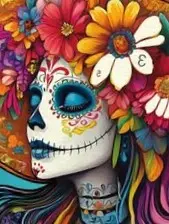
Traditions of Día de los Muertos
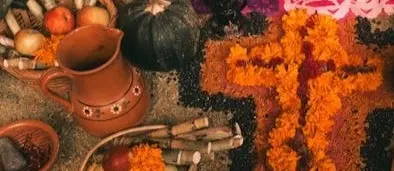
Ofrendas (“Offerings”)
In the weeks leading up to November 2, families across Mexico prepare their Ofrendas Altars de Muertos, to welcome the souls of departed loved ones. These vibrant displays are draped in colorful oilcloths and adorned with photographs, mementos, favorite foods, and music that reflect each person’s life and passions.
Every ofrenda includes the four sacred elements — water, wind, earth, and fire — represented by drinks, papel picado, food, and candles. Water quenches the spirit’s thirst after a long journey, while flickering flames light the way home.
These altars embody a gentle duality: honoring the departed while inviting their memory and blessings to return. Copal incense purifies the air, marigolds guide the souls with color and scent, and a small dish of salt cleanses and protects their passage.
Día de los Angelitos
Día de los Angelitos (“Day of the Little Angels”) is observed on November 1, when the spirits of departed children are believed to return first — joyfully racing ahead of their elders to reunite with loved ones.
Families who have lost children often create tender altars in the cemetery or outside their homes, filled with favorite foods, sweet drinks, and playful toys.
These touching tributes transform sorrow into remembrance, celebrating innocence and everlasting love.
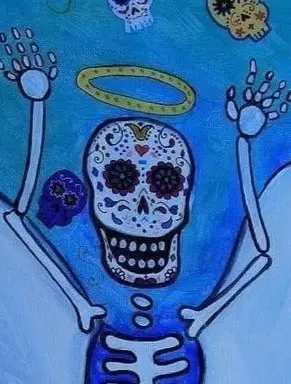
Costumes and Festivals, and La Catrina
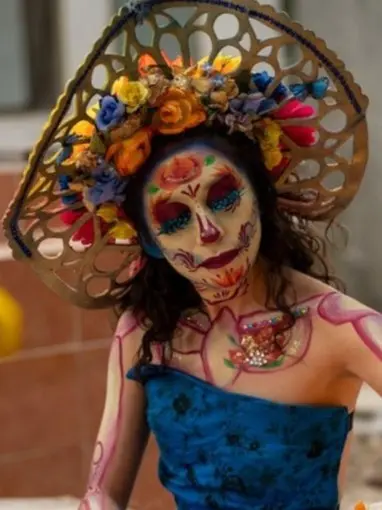
In recent decades, Día de los Muertos celebrations have embraced a playful element of costume and creativity, influenced in part by Halloween.
Among the most iconic figures is La Calavera Catrina, envisioned by artist José Guadalupe Posada — an elegantly dressed skeleton lady in European attire and a wide-brimmed hat, symbolizing that death spares no one, regardless of class or status.
Diego Rivera later immortalized her in one of his murals, even depicting himself as a child holding her hand. Frida Kahlo also drew inspiration from her, helping transform La Catrina into a timeless emblem of life’s equality and impermanence.
The message endures: live authentically, for in the end, we are all equal beneath the bones.
Mural by Diego Rivera
Diego Rivera later immortalized Frida Kahlo in one of his murals, even painting himself as a child holding her hand. Kahlo also drew inspiration from her, helping transform La Catrina into a timeless national symbol of life’s equality and impermanence.
The enduring message is simple and profound: live authentically, for in the end, we are all equal beneath the bones.

Papel Picado
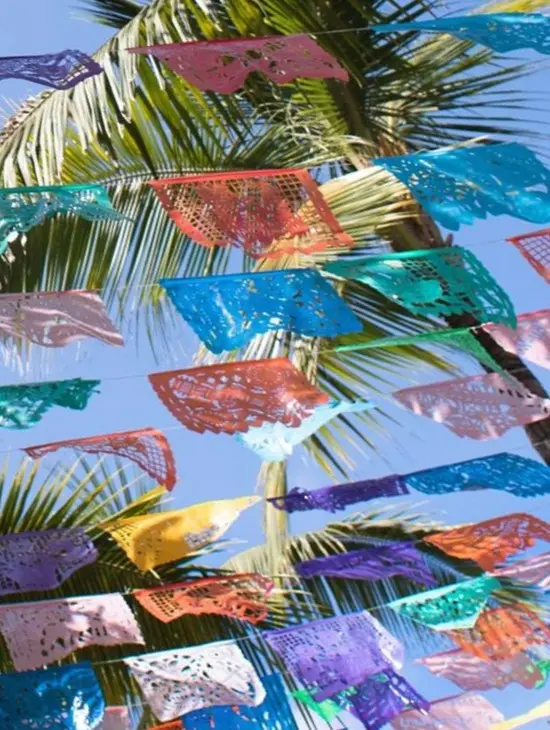
Throughout Sayulita, colorful papel picado banners flutter above the streets — delicate tissue-paper cutouts symbolizing the fragility and beauty of life.
Each color holds meaning: purple for mourning, pink for joy, white for hope, yellow for purity, and black for death.
The intricate holes within each design are said to allow the souls of the departed to pass through and visit their loved ones, reminding us how thin the veil between worlds truly is.
Comparsas, Day of the Dead Celebrations
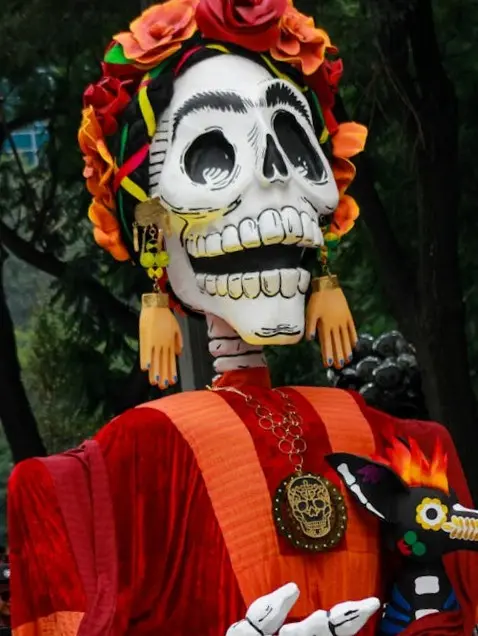
A comparsa is a lively street parade — a spirited blend of music, dance, and costume that lies at the heart of Día de los Muertos festivities. Families and friends gather in joyful remembrance, blurring the line between living and departed through rhythm and movement.
For more local festivals featuring comparsas, see our blog Sayulita Festivals & Mexican Holidays Guide.
Tapetes de Arena, Sand Tapestries
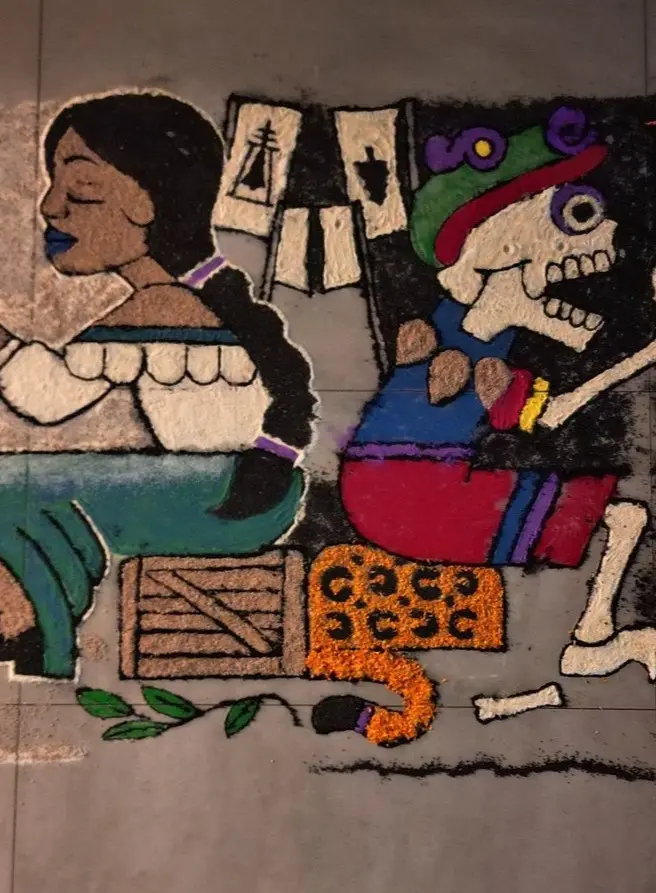
During Día de los Muertos, exquisite tapetes de arena — sand tapestries made from colored sand, seeds, and flower petals — appear across plazas and altars.
Each fleeting artwork honors departed loved ones and mirrors life’s transience, a vivid reminder of the continual cycle of birth, death, and renewal.
Calaveras de Azúcar (“Sugar Skulls”)
Calaveras, or Sugar Skulls, are among the most cherished symbols of Día de los Muertos. These bright confections descend from pre-Columbian offerings and embody both the departed soul and the sweetness of life itself.
Each skull, crafted from sugar or chocolate, is hand-decorated with vivid icing and often inscribed with a loved one’s name — a joyful reminder that remembrance is as sweet as it is sacred.

Cresta de Gallo, Symbol of Life & Death
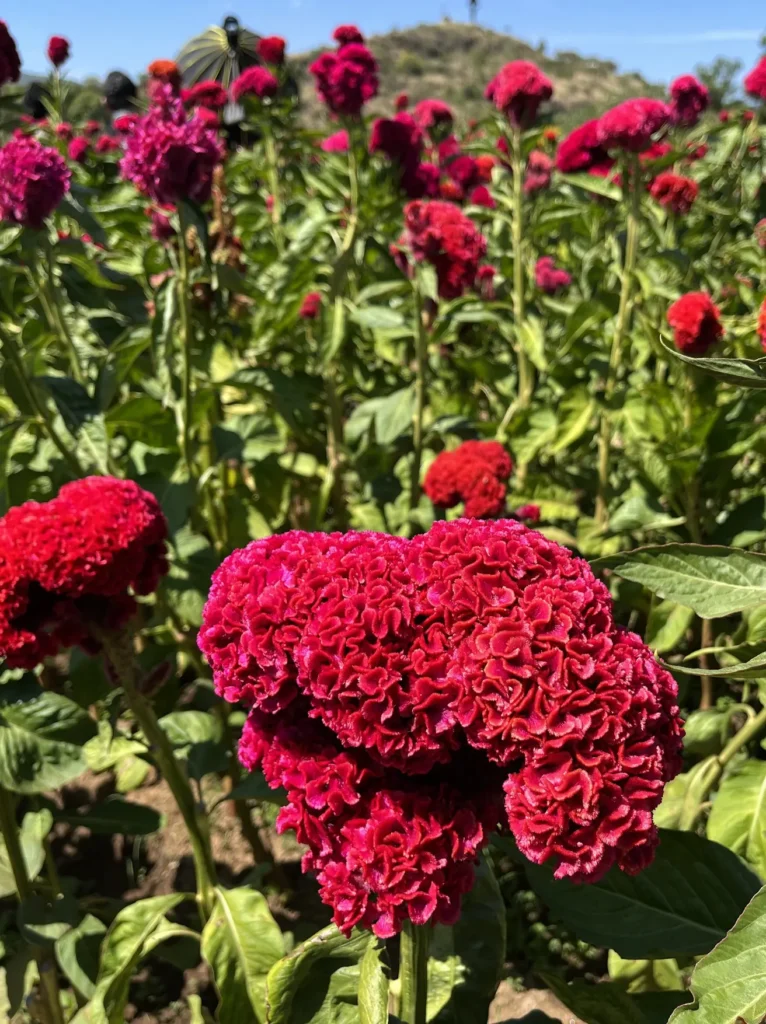
Another striking bloom found on Día de los Muertos altars is the Cresta de Gallo (Cockscomb).
Its vivid crimson petals contrast and complement the golden cempasúchil, forming a radiant palette symbolizing life and death in harmony.
Many believe the flower’s bold color serves as a beacon guiding returning souls toward the ofrendas prepared in their honor.
Flor de Cempasúchil (Usually Marigolds)
The radiant Flor de Cempasúchil (Mexican marigold) is the festival’s most recognizable bloom. Its name comes from the Nahuatl “Cempohualxochitl”, meaning “flower of twenty petals,” symbolizing the sun and life’s continuity.
With its golden glow and uplifting scent, the cempasúchil is said to guide the souls of the departed home, lighting the path between the worlds of living and dead.

Calacas, Skeleton Figurines
Calacas are cheerful skeletal figures that capture the joyful essence of Día de los Muertos. Far from frightening, they remind us that death is simply a continuation of life.
Depicted dancing, drinking, or playing music, these lively icons show how Mexican culture celebrates memory with humor, warmth, and gratitude — honoring the cycle of life instead of mourning its end.

Mariposas, Monarch Butterflies
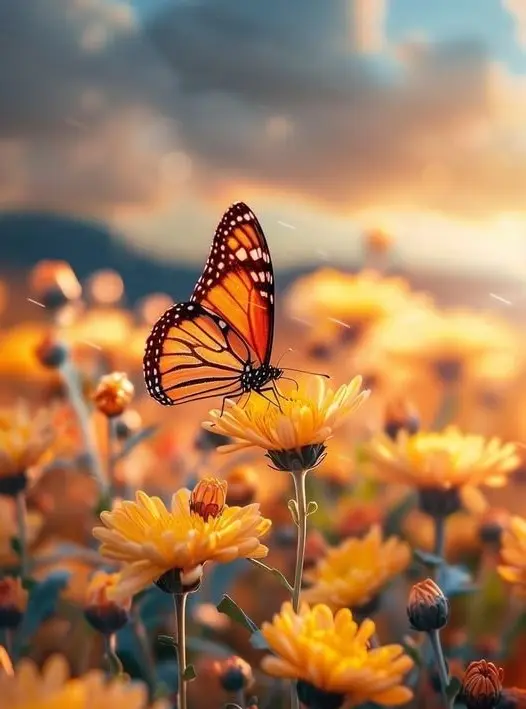
Mariposas — monarch butterflies — symbolize transformation, renewal, and the eternal link between worlds. They’re often seen as spiritual messengers carrying the souls of loved ones who return during Día de los Muertos.
In ancient Aztec belief, the souls of fallen warriors and mothers who died in childbirth returned as butterflies, their delicate wings representing courage, sacrifice, and continuity.
Each autumn, the monarchs migrate south to Mexico, arriving just in time to join the season of remembrance.
Alebrijes, Day of the Dead Creatures
Alebrijes — fantastical folk-art creatures — became part of Día de los Muertos traditions in the 1940s. These vividly painted sculptures blend animal traits — wings, claws, horns, and tails — in explosions of color and imagination.
The art form began with Pedro Linares López, a Mexican artist who, in a fever dream, envisioned hybrid beings chanting “ alebrijes, alebrijes!”
When he recovered, he recreated them in papier-mâché, giving birth to one of Mexico’s most cherished crafts — now celebrated as protectors and spirit guides of the festival.
Panteón, Visiting the Cemetery
Each year, families gather at the panteón (the cemetery) to honor loved ones who have passed. They bring flowers, candles, and letters, turning each gravesite into a warm circle of memory and affection.
Meals and drinks are shared beside the tombs amid stories, laughter, and the melodies of local mariachi and trío musicians playing for both living and departed. In Sayulita, these heartfelt vigils often continue late into the night, filled with color, song, and connection.
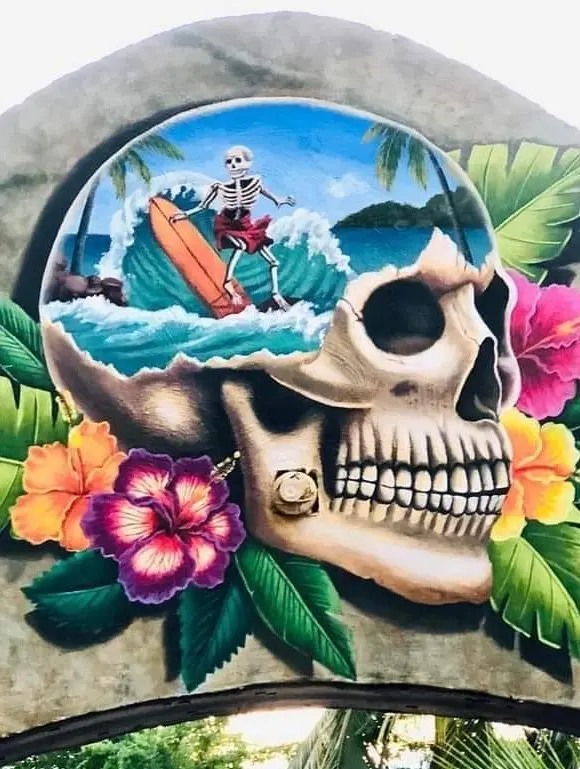
Just beyond the cemetery rests Playa de los Muertos, a tranquil cove where the ocean meets remembrance. See more in our Sayulita Beaches Guide.
Day of the Dead Traditional Foods
As in every Mexican celebration, food takes center stage during Día de los Muertos.
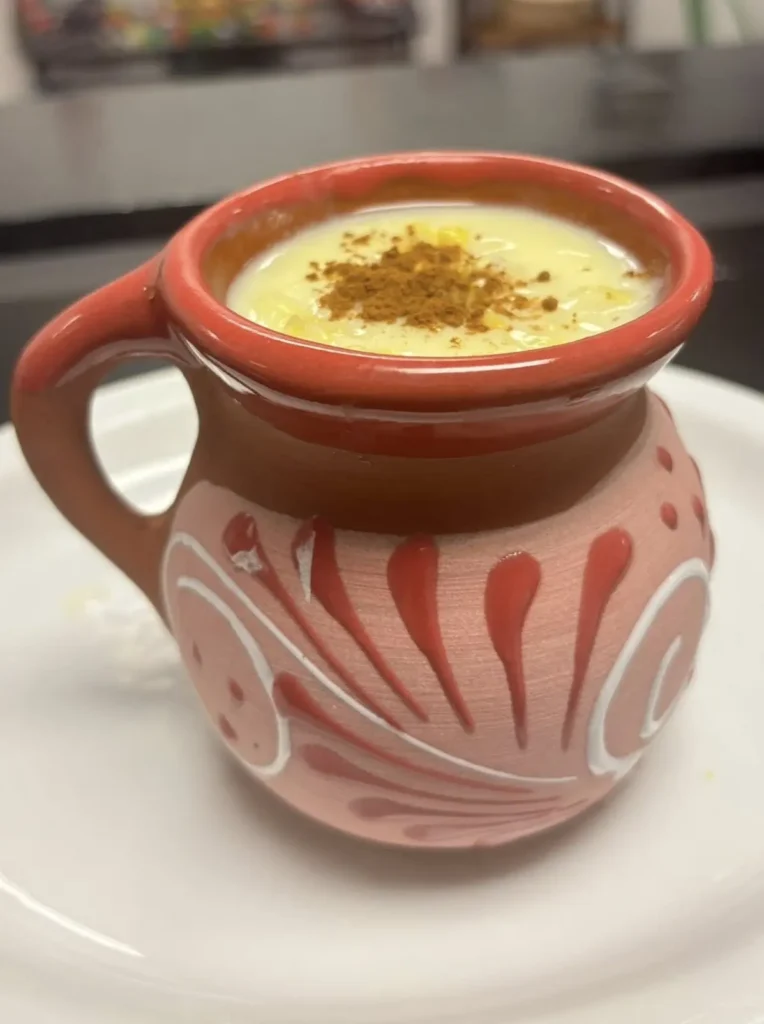
Cherished dishes include tamales — steamed corn masa with savory or sweet fillings — and atole, a warm pre-Hispanic drink of maize, cinnamon, and piloncillo.
You’ll often find atole in Sayulita’s cozy cafés, perfectly paired with pastries or Pan de Muerto. (see our Coffee Guide)
Other seasonal favorites include mole, a rich sauce layered with spice and cacao, and pozole, a comforting stew of hominy, herbs, and slow-cooked pork, shared among family.
To taste these local traditions, explore our Best Restaurants in Sayulita.
Popular Drinks on Day of the Dead
Modern celebrations mix tradition with creativity — even at the bar. Locals and visitors toast the season with Marigold Margaritas and Marigold Martinis, cocktails inspired by the golden glow of the cempasúchil bloom.
For more local beverages to savor while in Sayulita, explore our blog Popular Drinks of Mexico.
Discover where to sip these festive drinks in our guide Sayulita’s Best Bars and Nightclubs.

Pan de Muerto, a Popular Sweet Bread
The classic Pan de Muerto is a soft, gently sweet bread symbolizing eternity and remembrance — its circular shape without beginning or end.
The raised strips of dough atop represent bones arranged in a cross, echoing the four paths of the universe in pre-Pre-Columbian mythology.
A Freshly baked Pan de Muerto fills Sayulita’s cafés and bakeries each season (see our Breakfast Guide) and our Guide Where to Buy Food.

Xoloitzcuiintli, Guardians of the Dead
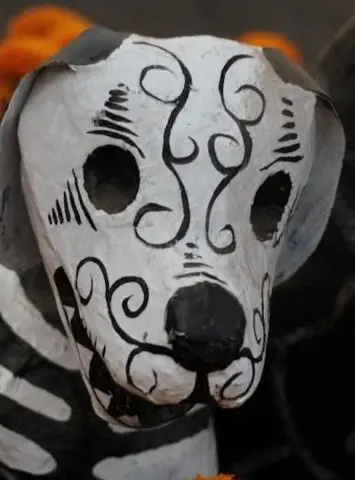
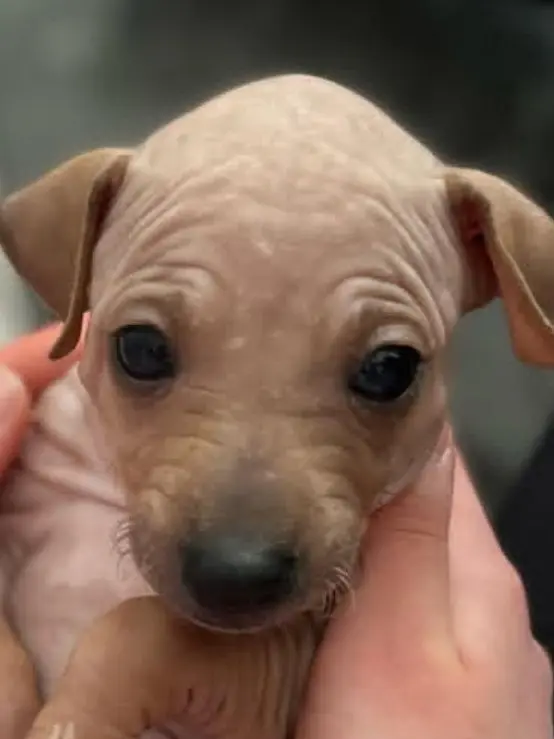
The Xoloitzcuintli, or Mexican hairless dog, is an ancient sacred breed native to Mexico. In Aztec belief, Xolos guided and protected souls on their journey through the underworld, ensuring safe passage to their final resting place.
Revered as loyal companions in both life and death, these gentle dogs were often buried beside their owners and remain honored today during Día de los Muertos as faithful guardians of the departed.
Oil Cloths
Classic Día de los Muertos imagery lives on in the tones of traditional oilcloths — richly patterned fabrics that lend warmth and nostalgia to altars and gatherings.
Though developed later, in the 18th century, their soft, pastel-like colors and contrasting dark backdrops evoke candlelight and remembrance, making these modern textiles an enduring part of the celebration’s visual poetry
Copal, Aroma of Día de Los Muertos
Copal, a fragrant tree resin, burns as incense on Día de los Muertos altars. Its rising smoke is believed to purify the space and guide the spirits of the departed home.
The aroma of copal represents the element of air — one of the four sacred forces of nature alongside earth, water, and fire. For many families, its soft fragrance bridges the physical and spiritual worlds, cleansing the path between them.
Brief History of Day of the Dead
The origins of Día de los Muertos trace back more than 3,000 years to the death rituals of the Nahua peoples of Mesoamerica.
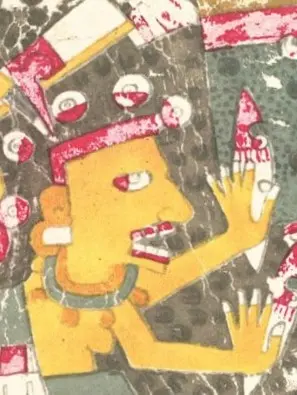
The Aztecs honored Mictēcacihuātl, Queen of Mictlān, the underworld, believing death was not an end but a sacred continuation — a four year journey through Chicunamictlán’s nine levels before reaching the soul’s final resting place, Mictlán.
Ojos de Dios
When the Spaniards arrived, they saw the festival as pagan yet could not suppress it. Over time, they merged it with Christian observances — moving it from summer to coincide with All Saints’ Day and All Souls’ Day.
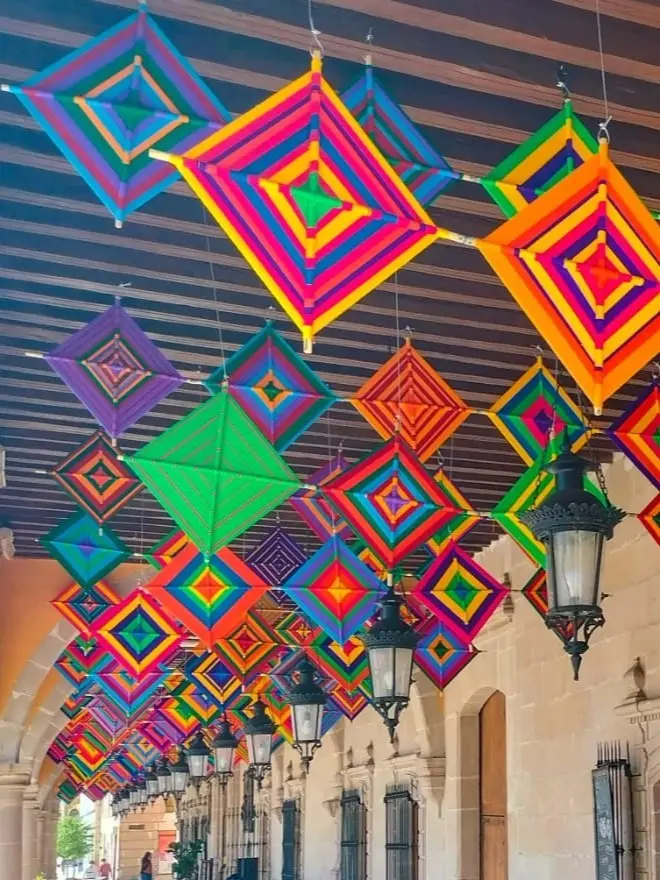
Today, from October 31 to November 2, Sayulita’s streets glow with Ojos de Dios (“God’s Eyes”), altars, papel picado, catrinas, sawdust mats, marigolds, and candles — a living reflection of both ancestral and spiritual devotion. (See our time-lapse video of sawdust-mat making.)
This ancient celebration carries layers of meaning — profound, joyful, and endlessly fascinating when approached with cultural respect. Perhaps what makes Día de los Muertos so captivating is its vivid imagery and warmth, reminding us that remembrance can bring peace to our own souls.
How to celebrate Día de los Muertos with Children
Día de los Muertos can be a joyful and meaningful way to help children understand remembrance and the circle of life. How you share it is personal, but these ideas can guide you:
🎬 Films to Explore: The Book of Life (2014) follows a young bullfighter’s afterlife adventure to honor family tradition, while Coco (2017) tells the story of a boy who journeys to the Land of the Dead to reconnect with his musician ancestor. (See Globetrotting for more ideas.)
🎨 Creative Learning: Visit our link to download skull coloring pages — a gentle, artistic way to celebrate memory together.
What to do on Day of the Dead
Join the Festivities: Experience the music, food, and parades — Día de los Muertos is meant to be celebrated joyfully.
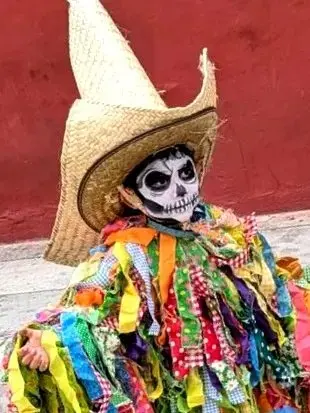
Dress Thoughtfully: It’s not a Mexican Halloween. Local markets offer beautifully embroidered outfits ($15–25 USD), and Catrina-style face paint is welcome when done respectfully.
Be Respectful at Cemeteries: Though lively, the atmosphere is sacred. Observe with care and avoid touching graves or displays.
Share with Children: Paint skulls, tell family stories, or make crafts that honor loved ones.
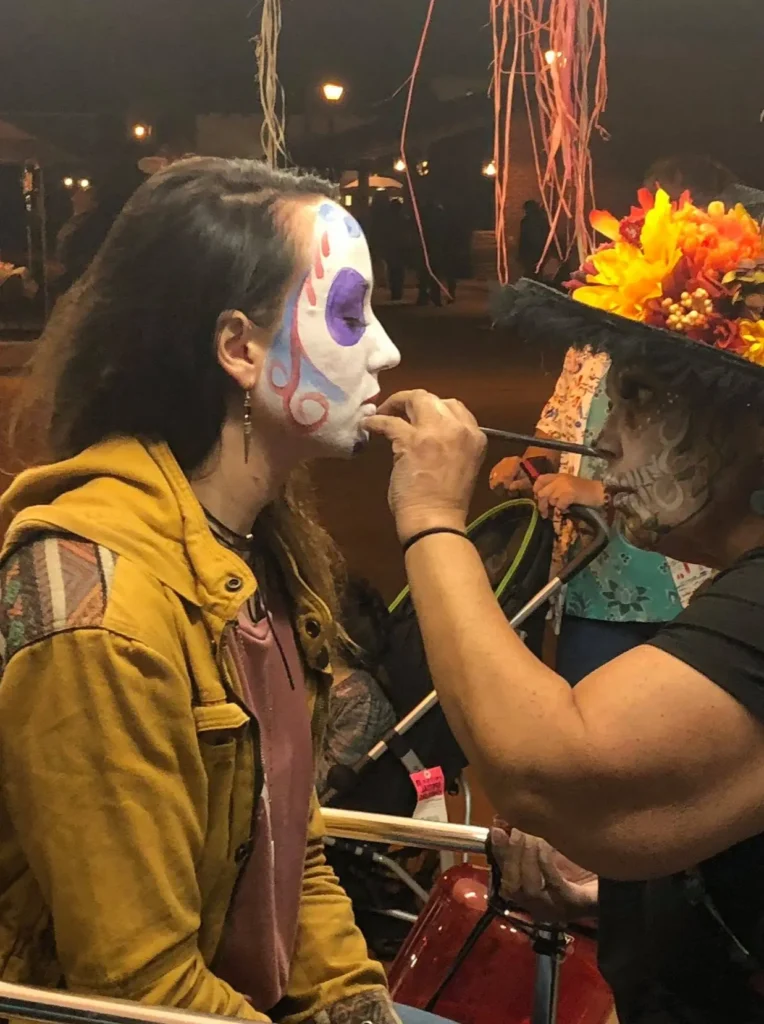
Amari’s Tip: If you’d like to join in with Catrina-style face paint, it’s a joyful and respectful tradition. Our talented local artists can create elegant designs — contact us to book your session and celebrate with us.
Amari’s Tips & Where to Book Your Stay in Sayulita
✨ Where to Stay
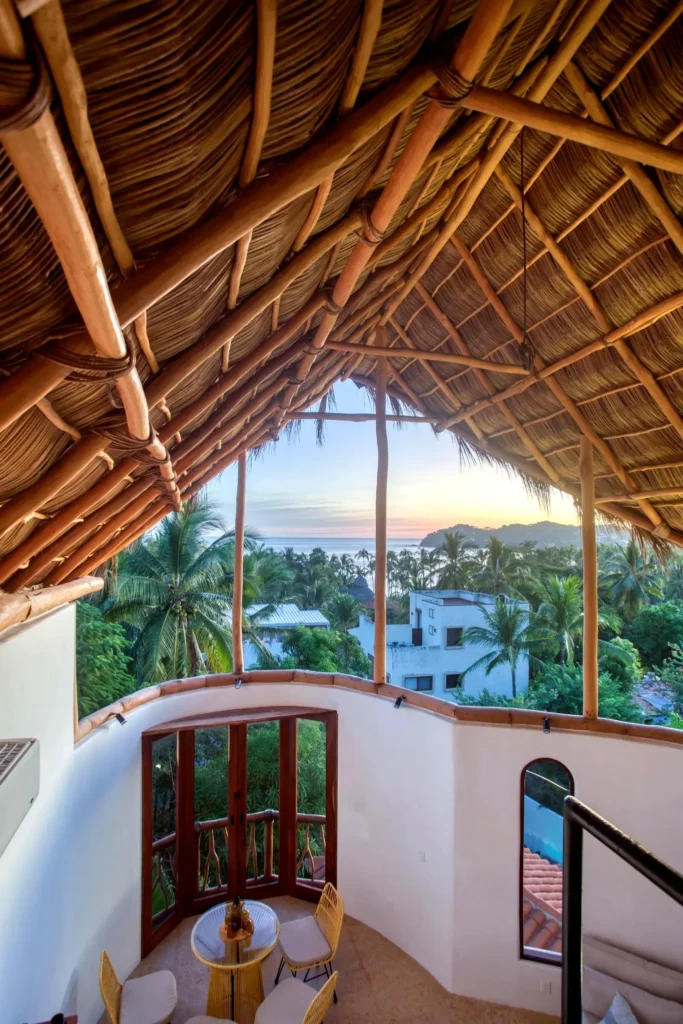
We’d be delighted to welcome you to Amari Boutique Hotel Sayulita, an elegant hideaway on the peaceful North Side of this Riviera Nayarit gem.
🌿 Sustainable Design
Each artisan-crafted suite blends comfort with mindful architecture and the beauty of local artistry.
💦 Wellness Amenities
Unwind with our rejuvenating offerings , including a complimentary sauna, refreshing cold plunge, and ocean-view saltwater pool.
🌴 Modern Comforts
Enjoy thoughtful details throughout our private, gated grounds — from an on-site freshwater well to high-speed Starlink Wi-Fi — a seamless balance of nature, serenity, and connection.
❓ Día de los Muertos in Sayulita FAQs
When is Día de los Muertos in Sayulita 2026?
October 31 – November 2, 2026. The detailed daily schedule is confirmed by local organizers in mid-October.
What happens on Day of the Dead in Sayulita?
Street ofrendas (altars), a candlelit comparsa procession from the plaza to the cemetery, catrina face painting, papel picado and sand tapestries around town, and a cemetery vigil at the Panteón.
Is Sayulita a good place to experience Día de los Muertos?
Yes — it’s one of the more atmospheric spots on the Riviera Nayarit, with real community observances alongside a walkable town center that makes it easy to take in the altars, parade, and cemetery in one evening.
What’s the difference between November 1 and November 2?
November 1 (Día de los Angelitos) honors departed children; November 2 honors adults.
Can tourists take part respectfully?
Yes. Watch the comparsa, view the ofrendas, and visit the cemetery quietly — avoid touching altar items, ask before photographing grieving families, and keep your voice down near the vigil.
Is it family-friendly?
Yes — many families bring children, and face painting and the parade are widely enjoyed by all ages.
Where should I stay for the festival?
Book early — Día de los Muertos is peak season in Sayulita. Amari Boutique Hotel is a short walk from the plaza and comparsa route.
Explore More Sayulita Travel FAQs
Still curious about Sayulita? Visit our Discover Sayulita Travel Blog — your go-to source for Sayulita’s most inspiring adventures, vibrant culture, local cuisine, and mindful experiences.
See more helpful guides:
Next, explore our interactive Sayulita Travel FAQ with 140+ real traveler questions and answers. Simply enter a keyword to quickly find local tips, insider insights, and practical recommendations.
❓Still need help? Our friendly team is happy to assist — just contact us here.

⭐ What Guests Love About Staying Near the Día de Muertos Celebrations
“Really amazing. Such cool architecture and everyone was so friendly. Highly recommend.” — Chet, 2026
“The property itself exceeded all our expectation. We can’t wait to return.” — J.C., 2026
“I cannot recommend a better place in the area!” — Lisa, 2026
🌿 A Respectful Base Near Sayulita’s Festival Traditions
Amari’s location makes it easy to experience Día de los Muertos — from comparsas and street altars to the cemetery celebrations — then return at your own pace to reflect and unwind.
Discover our boutique suites just a short walk from Sayulita’s Día de Muertos celebrations.
For a full overview of beaches, culture, food, weather, and logistics, explore our Plan Your Trip to Sayulita Guide.